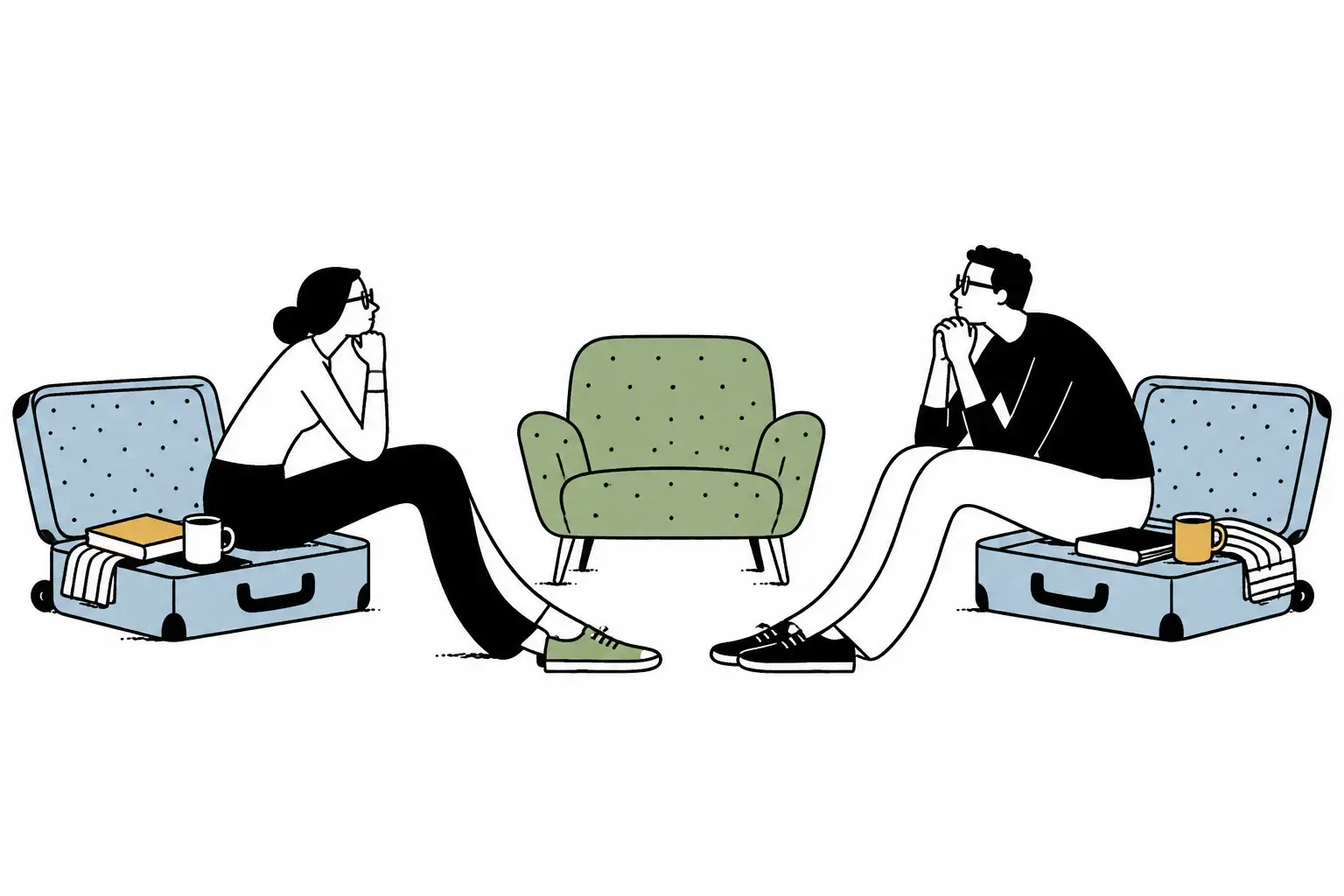
Individual counselling
When anxiety, self-doubt or a relationship is taking up more of your life than you want it to. A space to speak for yourself.

Explore relationship anxiety, recurring arguments, betrayal and life abroad. Read about what feels familiar, or get to know how I work before getting in touch.
Browse articles Read Kita’s quotesYou may recognise yourself in an article and still wonder where to begin. These are the different ways we can work together.
When anxiety, self-doubt or a relationship is taking up more of your life than you want it to. A space to speak for yourself.
When the same argument keeps returning, trust has been hurt, or you miss feeling close. Time for both of you to be heard.
Before a wedding or civil partnership, make room for the conversations about money, family, children and daily life together.
When a move changes your confidence, your relationship or your sense of belonging. You can bring the parts that are hard to explain back home.
When you keep checking, doubting or asking for reassurance. We can look at the worry alongside what is actually happening between you.
When writing gives you more room to think. Individual written support, with one personal reply from me each week, where this format suits your needs.
You do not have to choose perfectly. Meet me for a free 20-minute consultation and we can talk about where to start.
Short reflections and practical ways to begin a different conversation.
You do not need the right psychological term. Try a word such as texting, lonely, arguing or moving.
Your search stays on this page. It is not sent or saved.
No articles match those words yet. Try a broader word, choose a topic, or ask about a first conversation.
Looking for support rather than an article? Explore individual therapy, couples therapy or therapy while living abroad. You can also check the fees and how sessions work.
You do not need to read everything. Choose the situation that feels familiar and take one step at a time.
Start with the worry, then look at what happens when you seek certainty.
Make room for what happened before deciding what the relationship should become.
Look at the cost of the move to each person, then choose a conversation with a clear purpose.
Try six editable examples for asking for space, discussing trust, sharing responsibilities and making decisions after a move. Copy or print your own draft privately.
Try Help me say it, the free conversation tool
Making room for grief when nobody is the villain.

A date is also a chance to notice how you feel.

A gentler way to begin the conversation you keep postponing.
We can keep a life running while barely feeling part of it. Explore feeling numb but still functioning, coercive control, and support for women and men.
Read about functional freeze →
Individual and couples support in English, with short reads about the parts of life abroad that can be difficult to explain.
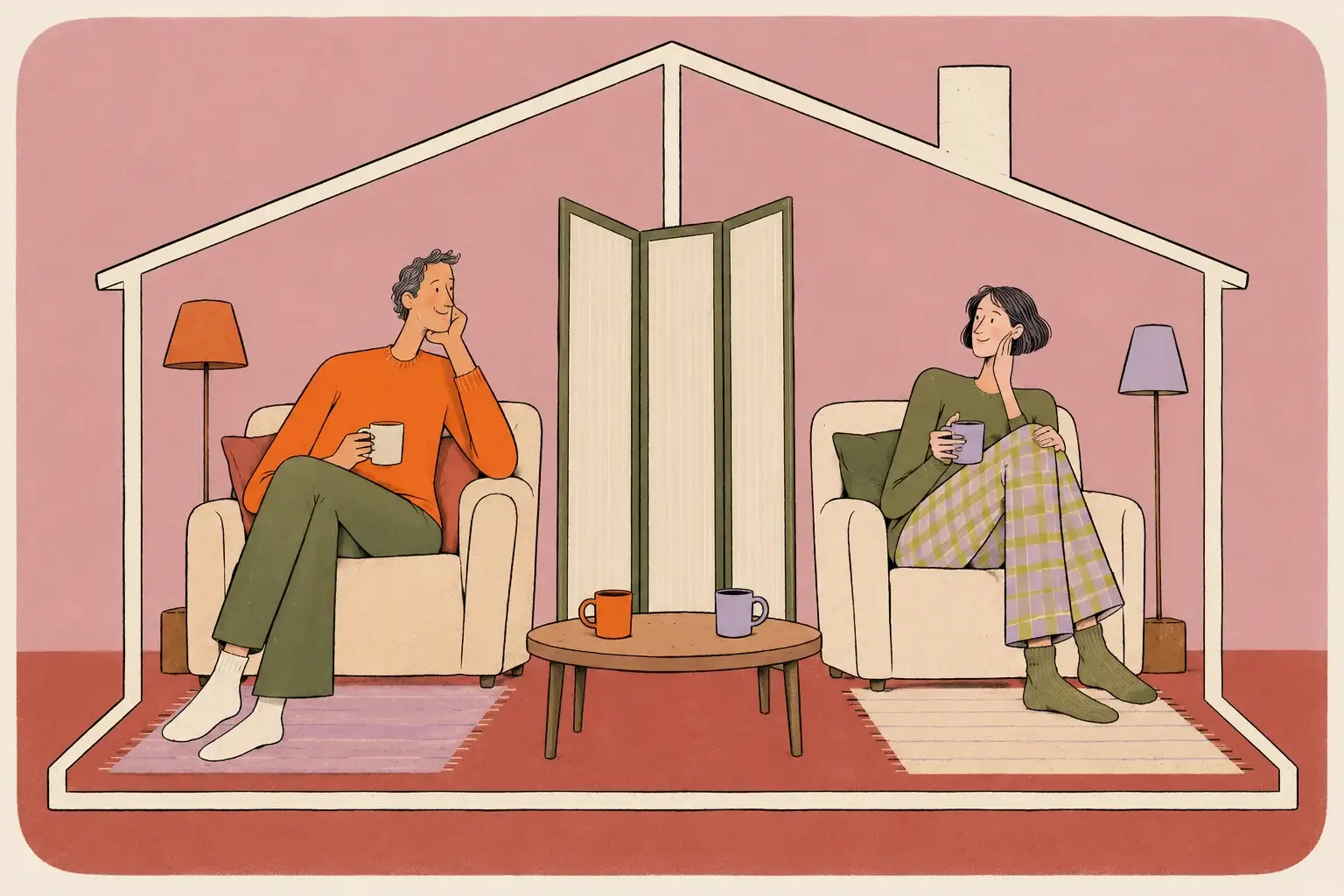
Separated but still sharing a home? Explore emotional boundaries, practical conversations and a private exercise to choose one manageable next step.
Explore the guide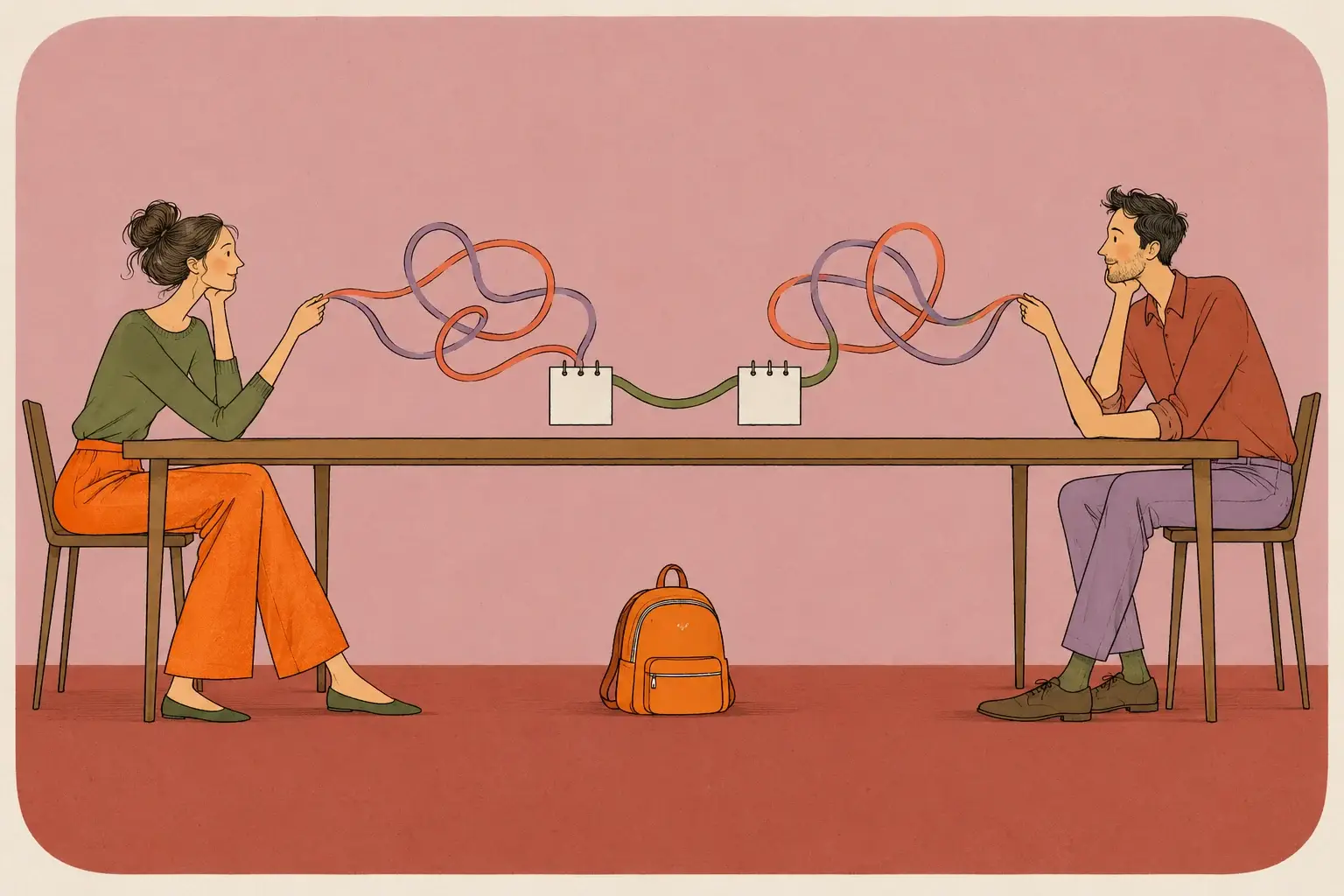
Find clearer words for co-parenting messages after separation. Try three practice examples, explore boundaries and recognise when specialist help matters.
Explore the guide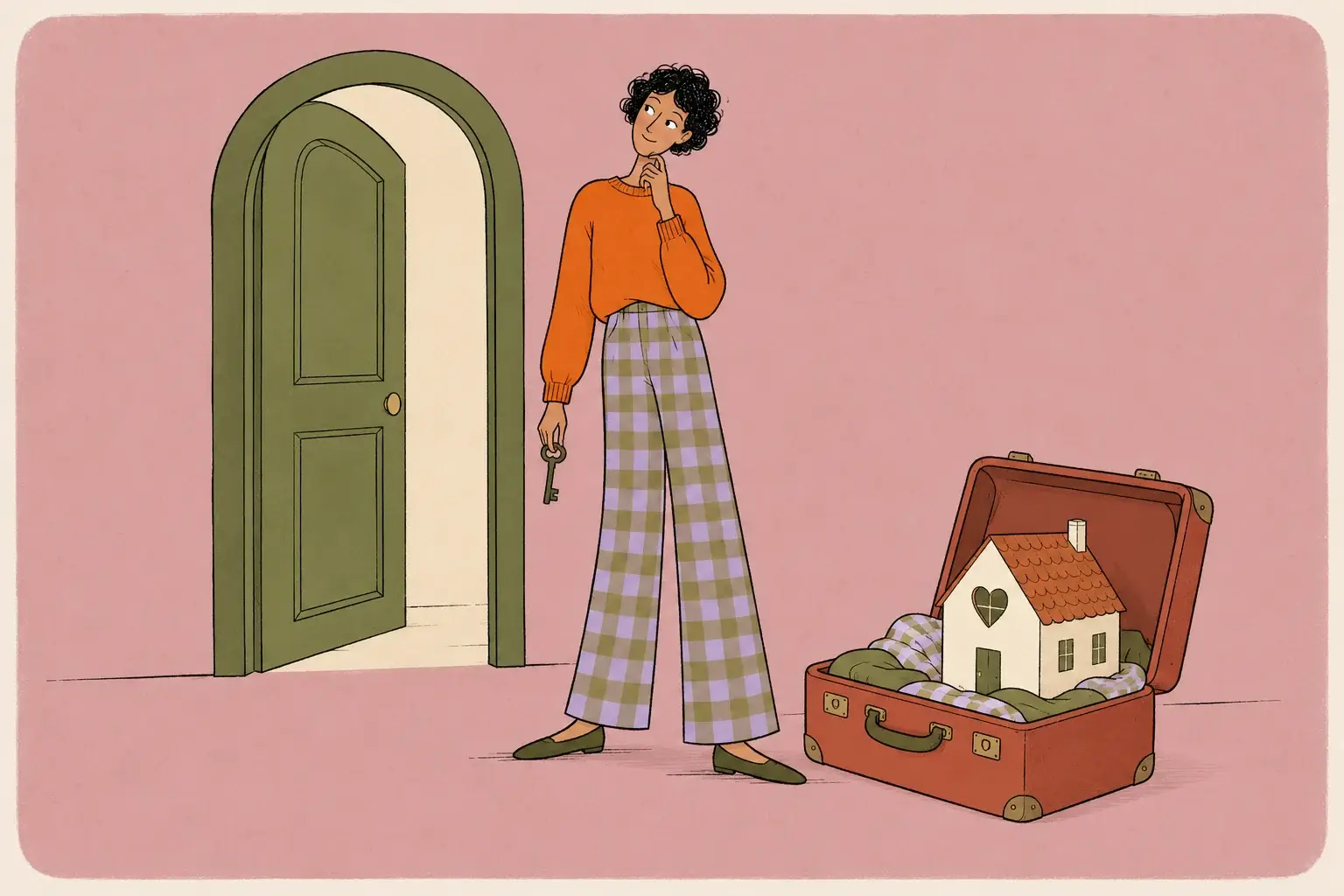
Feeling lonely after returning home from abroad? Explore reverse culture shock, changed relationships and an exercise to plan one step towards connection.
Explore the guide
Still love your ex after a breakup? Explore ways to cope with longing, steady everyday life and consider individual counselling after separation.
Read and explore
Wondering whether no contact works after a breakup? Explore boundaries, necessary contact and support when you share children or responsibilities.
Read and explore
There is no fixed timetable for getting over a breakup. Explore signs of adjustment, setbacks and when individual counselling may offer support.
Read and explore
Feeling lonely at night? Explore what you may be missing, try a small connection exercise and learn when online therapy for loneliness could help.
Read and explore →
Anxious when your partner does not reply? Separate facts from fears, recognise reassurance loops and ask for clearer communication in your relationship.
Read and explore →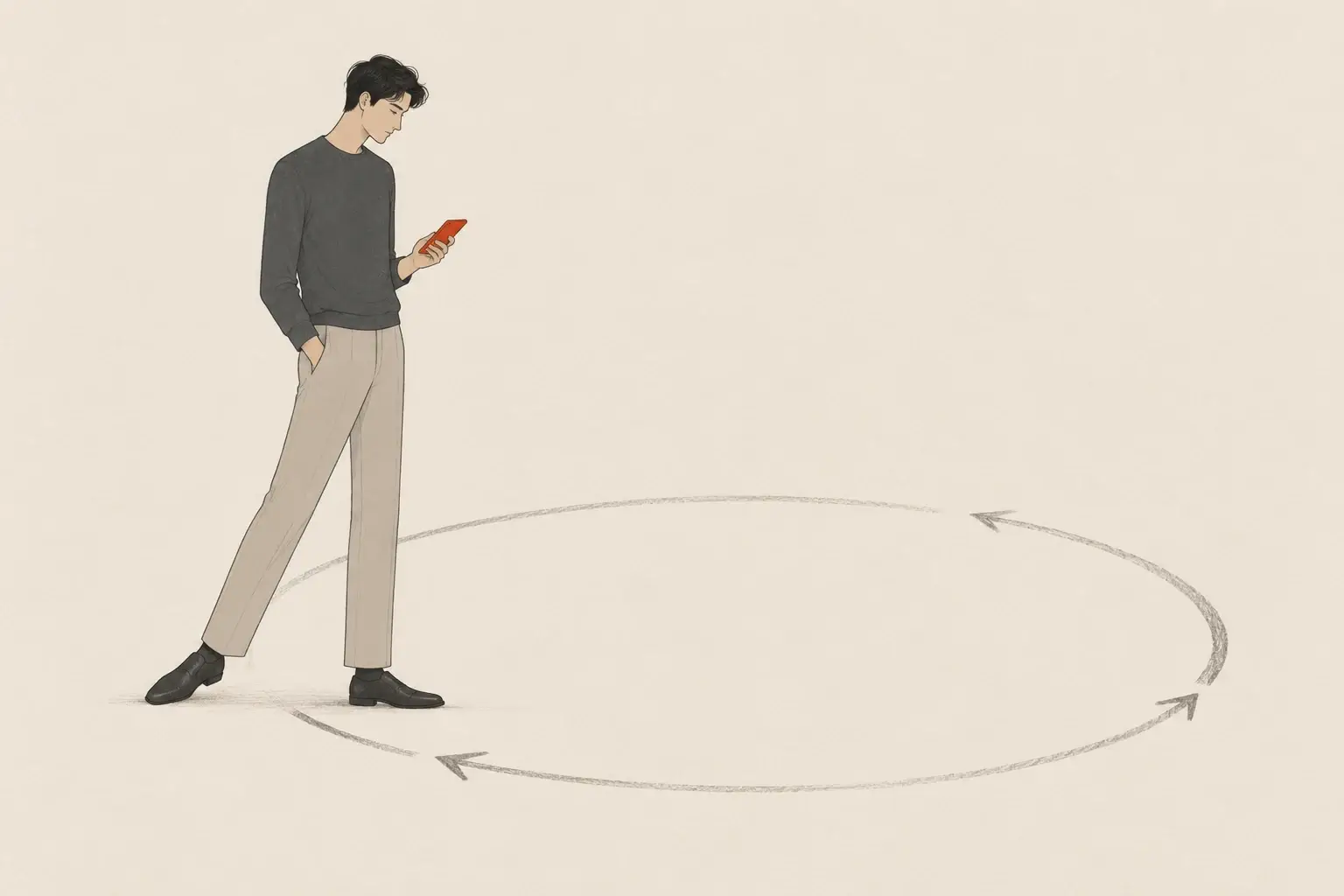
Caught in romantic obsession and repeated social-media checking? Understand limerence, notice the pattern and choose a boundary that protects your attention.
Read and explore →
Need space after an argument? A short guide to explaining a pause, agreeing when to reconnect and making room for both partners’ needs.
Read →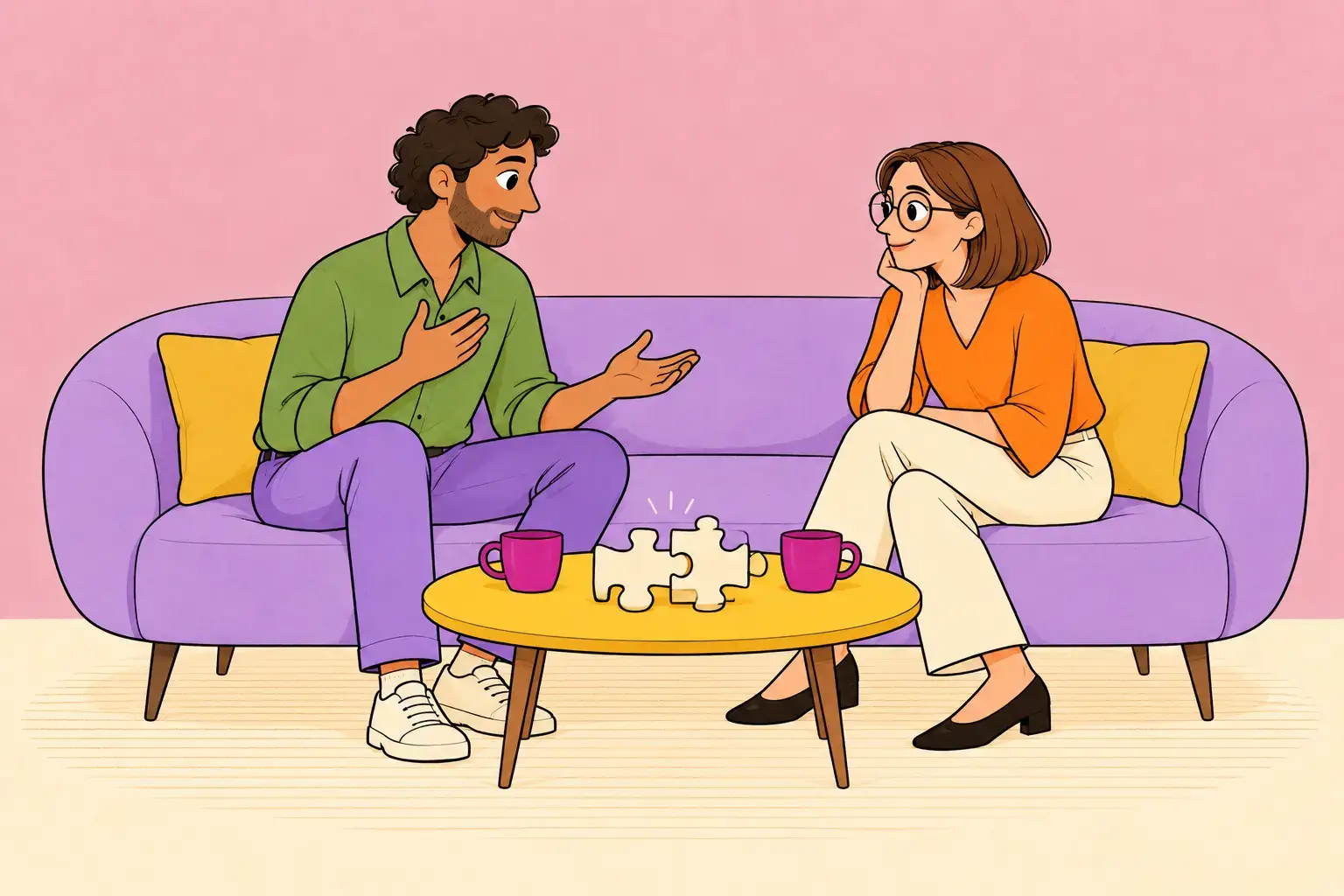
A useful apology names what happened, acknowledges its impact and explains what you will do differently. Read a short example and a practical next step.
Read →
Your first therapy email can be brief. Here is a simple enquiry example, what to include and how to ask about £50 weekly written counselling with Kita.
Read →Choose a topic to find articles and the related therapy service. These resources offer general information and reflection; they do not assess your individual circumstances.
About the practice: Kita Tabachka, BACP-registered therapist. For practical details, see therapy fees and how sessions work.

Understanding patterns of closeness and distance without reducing either partner to a label.
Read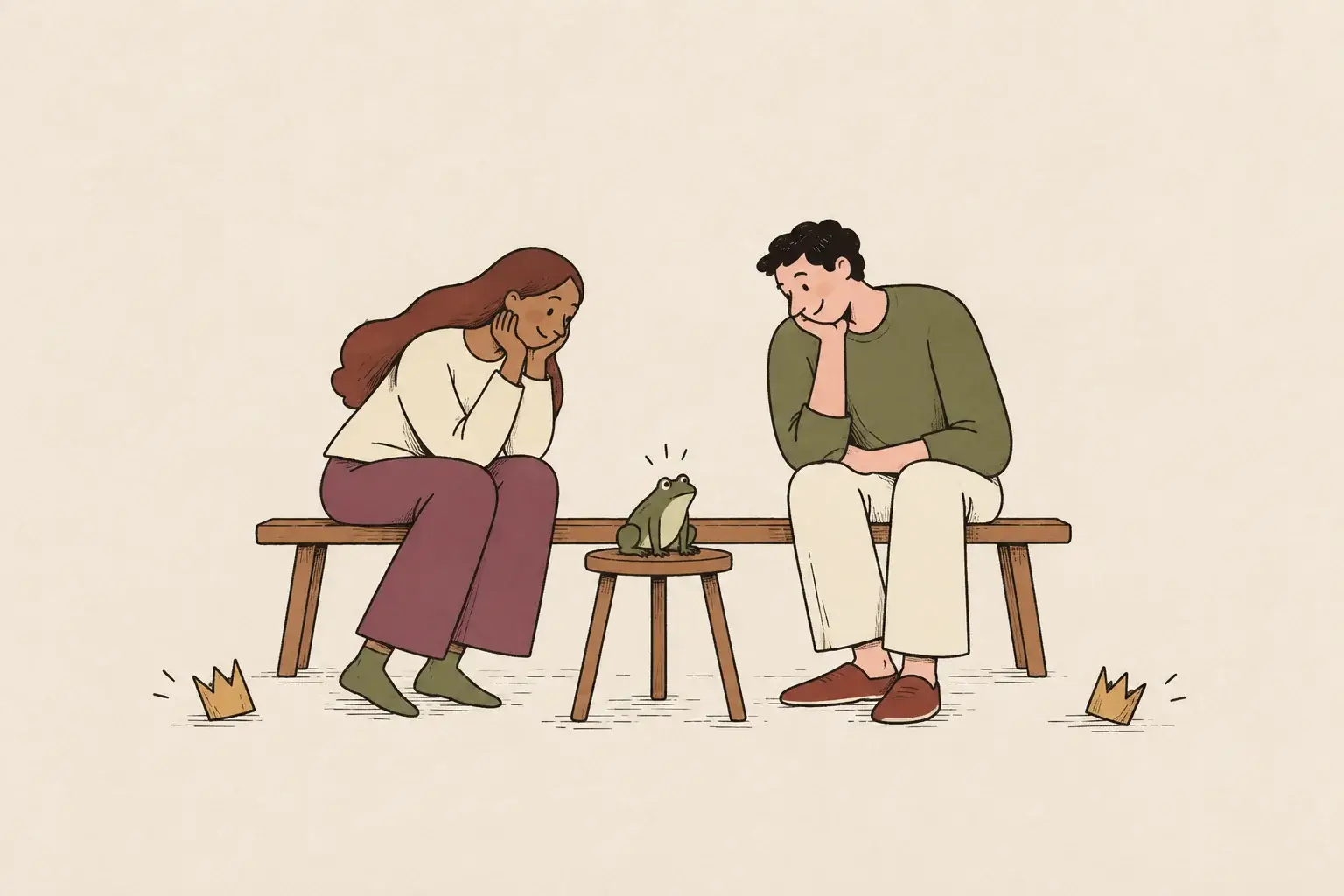
Relationship anxiety, the anxious-avoidant cycle, resentment and invisible labour, read through the Frog Prince fairy tale.
Read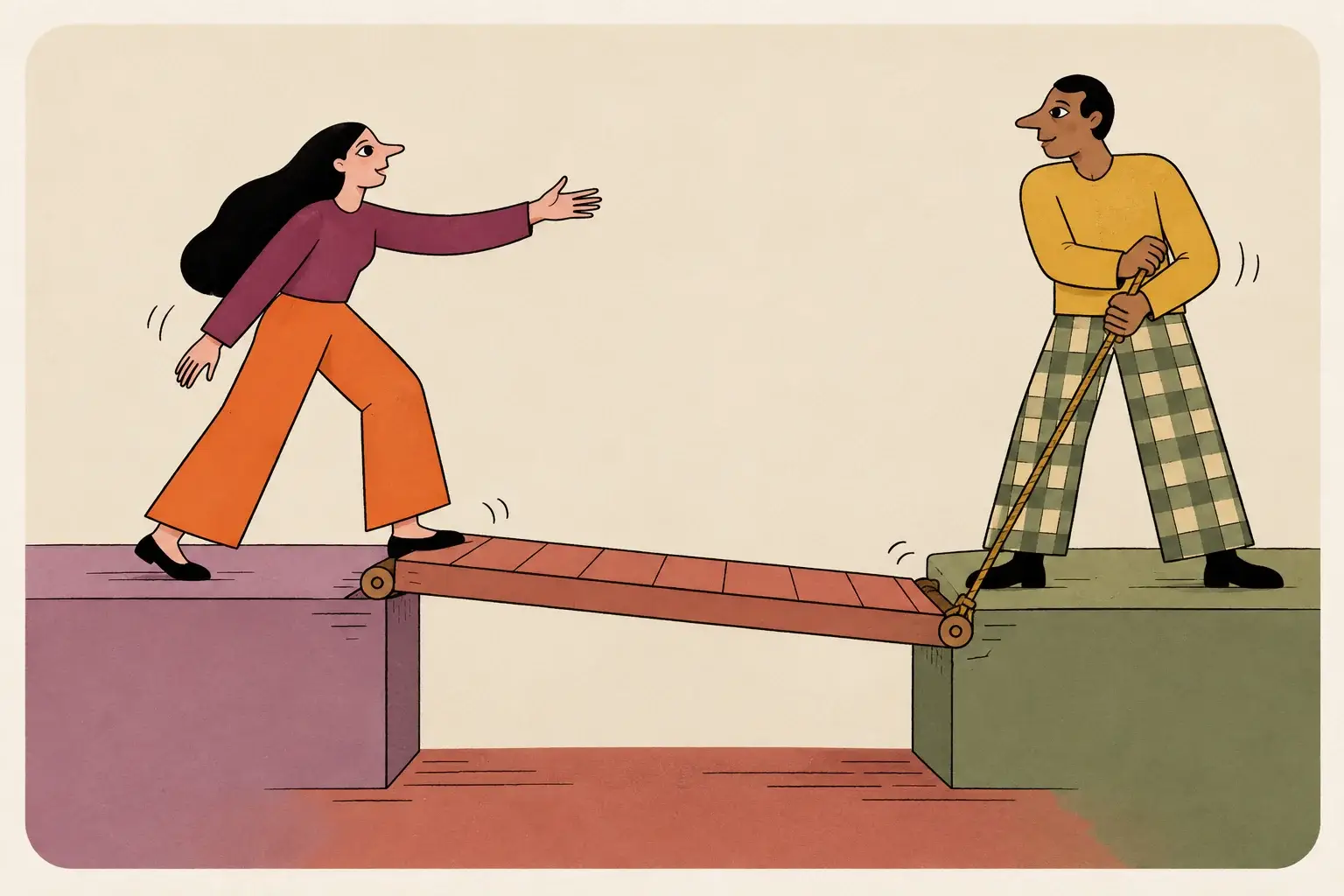
Reassurance loops, anxious attachment, attachment wounds and why love can feel like a threat.
Read
Repeated checking, uncertainty and genuine concerns, with a practical example of what to notice.
ReadHow anxious, avoidant and secure patterns shape closeness and distance.
Read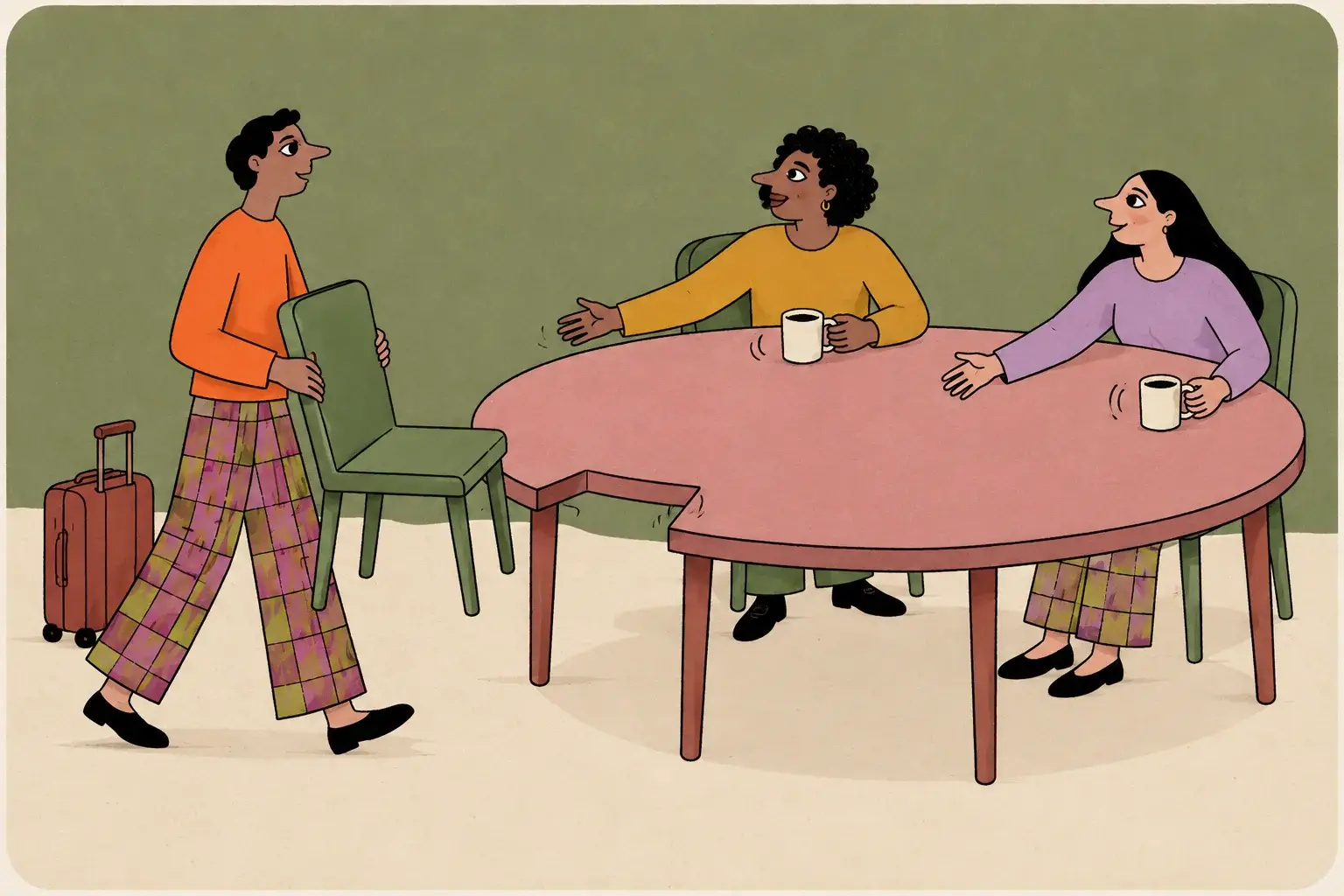
When one person quietly becomes your whole country, and how to widen the world around you again.
ReadIntrusive relationship doubts, repeated checking and why an appropriate assessment can matter.
Read
When your partner feels distant: questions to explore before deciding what that distance means.
Read
Feeling disconnected within a marriage, and ways to begin talking about what is missing.
Read
Recognising invisible responsibilities and discussing a fairer division of the work at home.
Read
Exploring differences in desire and opening a conversation without pressure or blame.
Read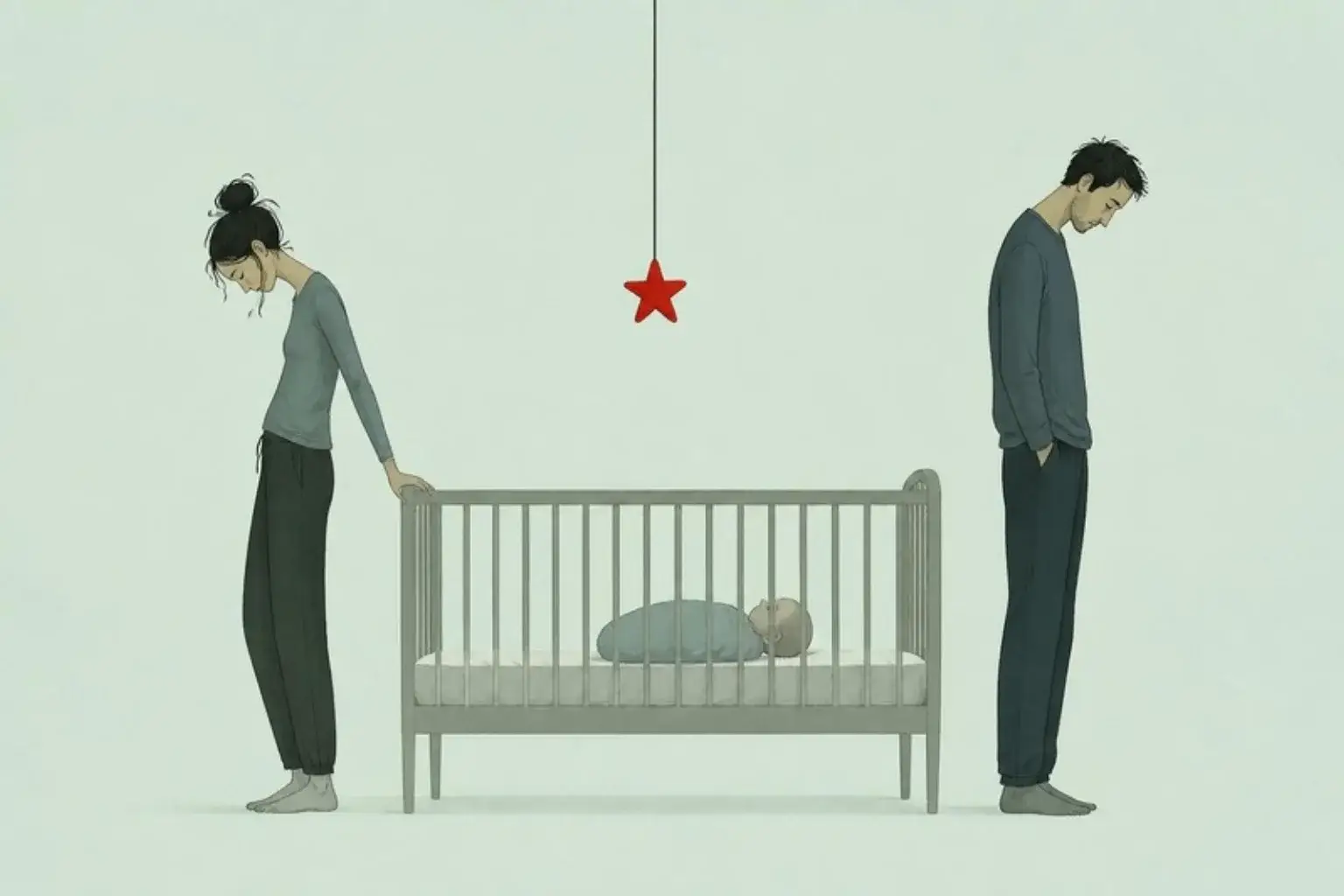
How becoming parents can affect a relationship, with starting points for discussing changing needs.
Read
Understanding differences in desire and discussing intimacy without blame or pressure.
Read
Exploring recurring conflict without assuming you know what your partner is feeling.
Read
She will not come to counselling. What one person changes, and what they cannot.
Read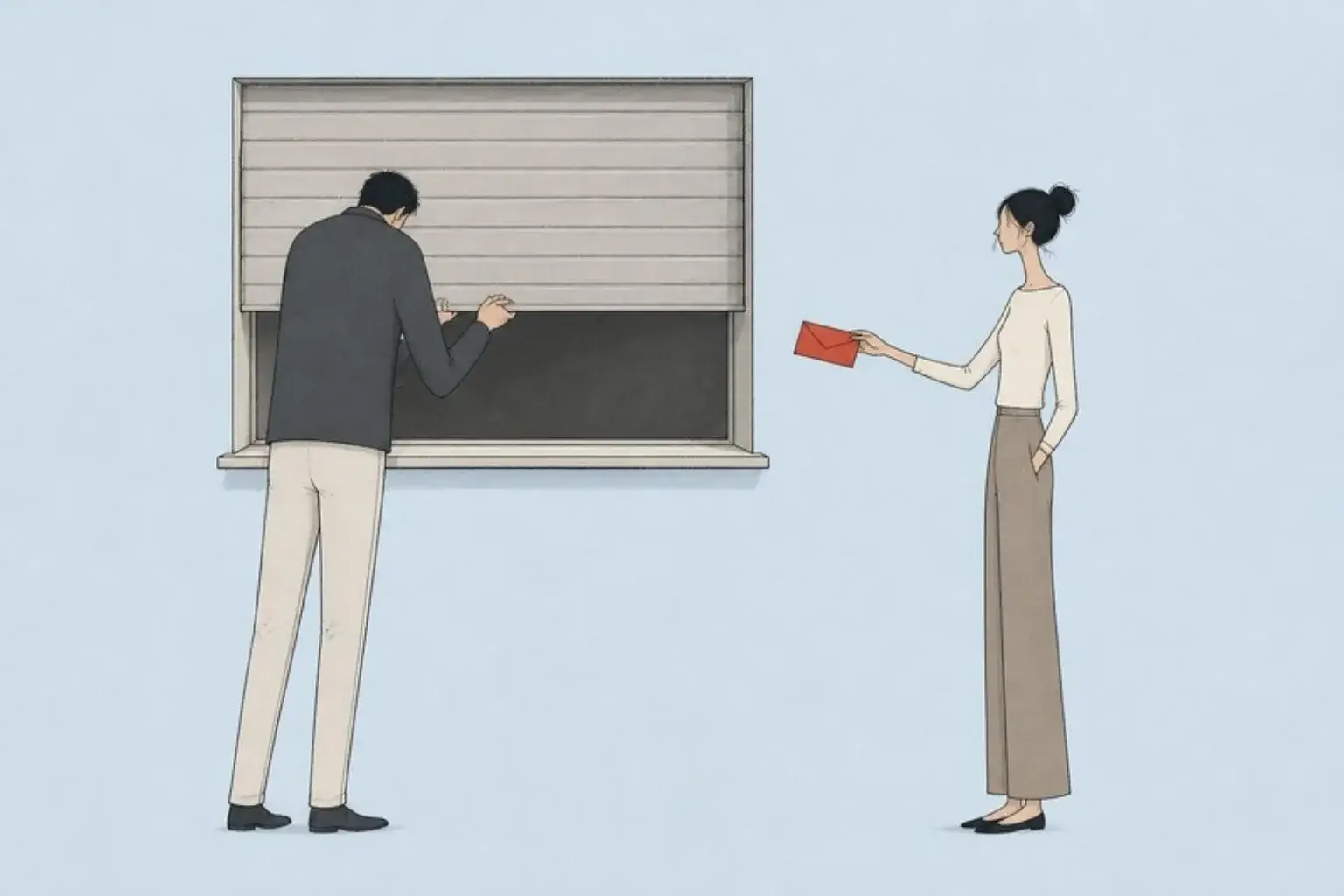
Different reasons someone may go quiet during conflict, and ways to discuss what happens between you.
Read
What sits under the anger, the ten seconds before you snap, and the repair afterwards.
Read
Exploring unmet needs, unequal responsibilities and boundaries behind resentment.
Read
For cross-cultural couples: the silence at the family table, and asking your partner to stand beside you.
Read
Hearing a painful statement, asking what it means and considering your own needs.
Read
Noticing recurring conflict and discussing how to pause and return to difficult conversations.
Read
Conflict avoidance, ADHD and the fear underneath the silence, and how couples find their way back to speech.
Read
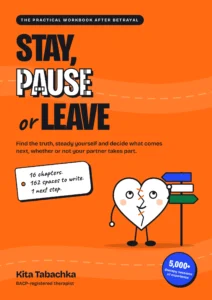
You did not cause this. The first weeks, the question you keep asking, and how to decide.
Read
For the husband, not the couple. The first days, the humiliation, and how to decide.
Read
Questions about accountability, safety and whether both partners want to work on rebuilding trust.
Read
Questions about emotional closeness, secrecy and the boundaries agreed within a relationship.
Read
Exploring possible relationship patterns without excusing the decision to betray a partner.
Read
What real repair requires when the injury happens far from home.
ReadWhy betrayal rewrites the memories you thought were safe, and what real repair asks of you both.
Read
Six questions to answer first, and the difference between an unhappy marriage and a harmful one.
Read
Making space for your first reactions and considering practical next steps after a partner asks for divorce.
Read
Five questions to answer first, and what children need from you either way.
Read
Grief, changing routines and finding support after a breakup. There is no single recovery timetable.
Read
The empty weekends, the handovers, and staying their dad through it.
Read
The Sunday nights, the shared friends, and what helps you rebuild in the first year.
Read
Abuse has no gender. What it looks like, why men stay quiet, and safe first steps.
Read
How agreeing to a move and resenting its cost can both be true at once.
Read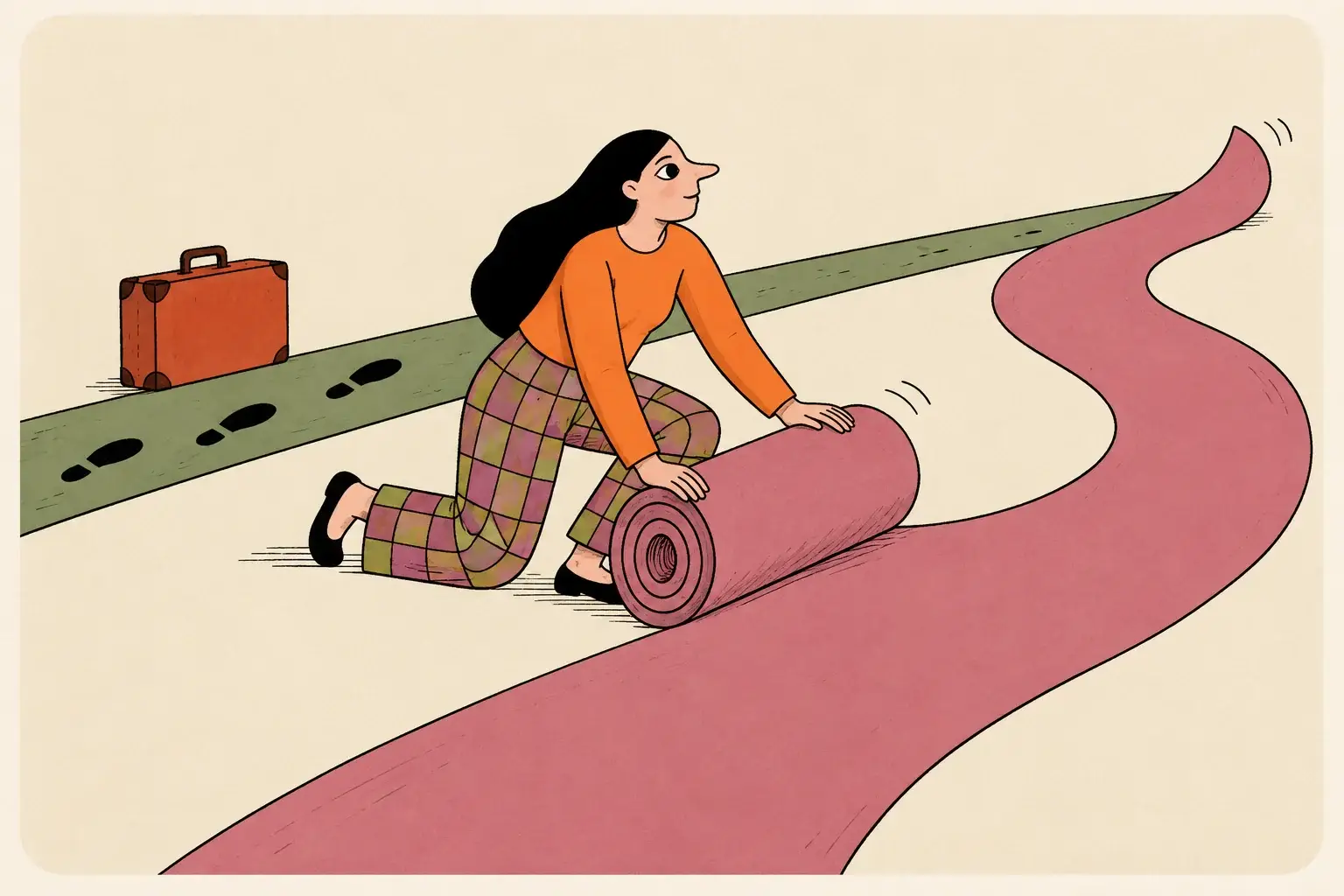
How work, language and belonging can change after a move, and ways to begin rebuilding confidence.
ReadFeeling disconnected after a move, even when life looks busy, and finding ways to build support.
Read
Why moving abroad strains even strong couples, and what to practise instead of the same fight.
Read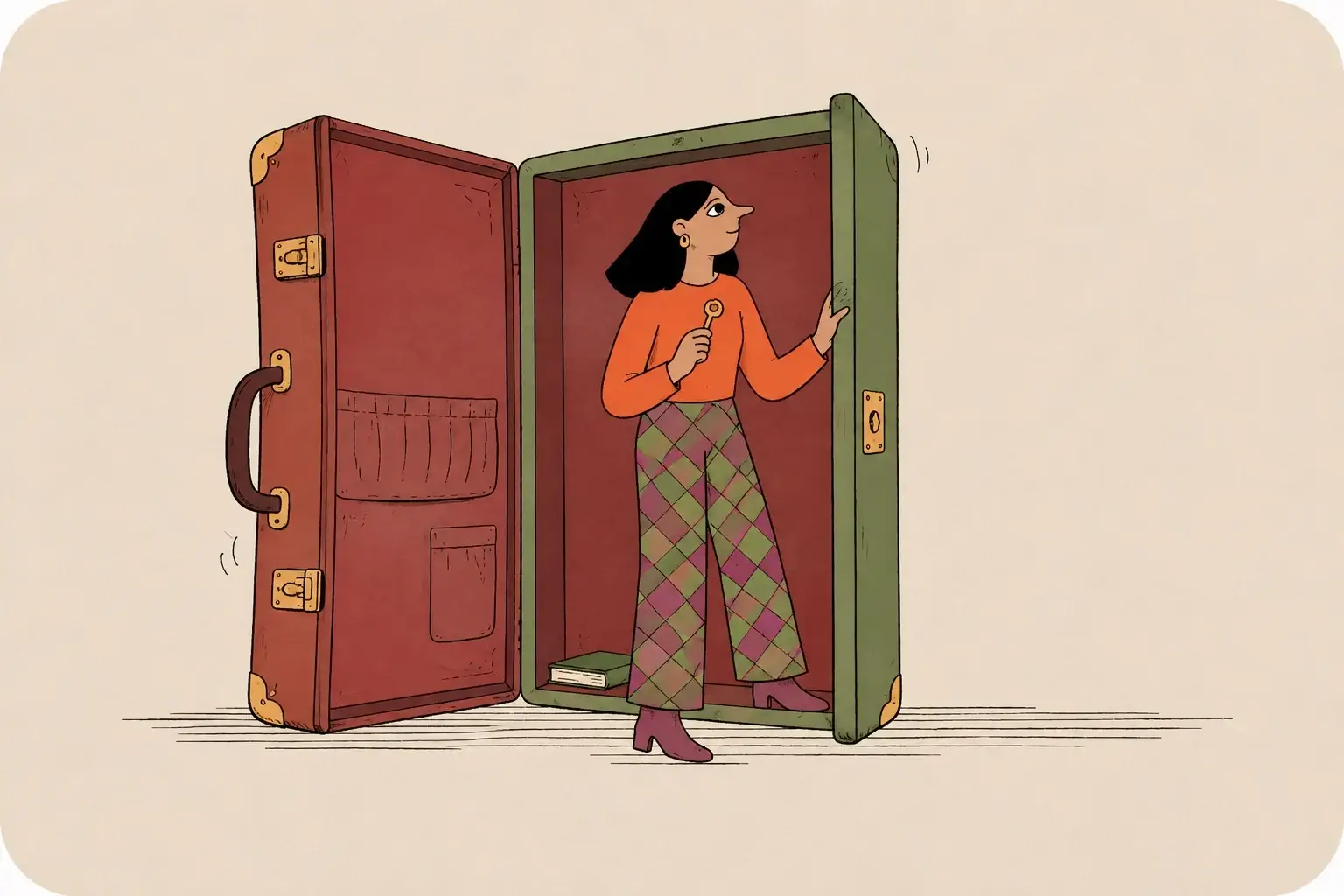
The grief, resentment and lost self of the partner who followed, and the way back to yourself.
Read
Exploring disconnection and practical starting points for building contact and support.
Read
Seven reasons a full room still feels empty, and how to let one person closer.
Read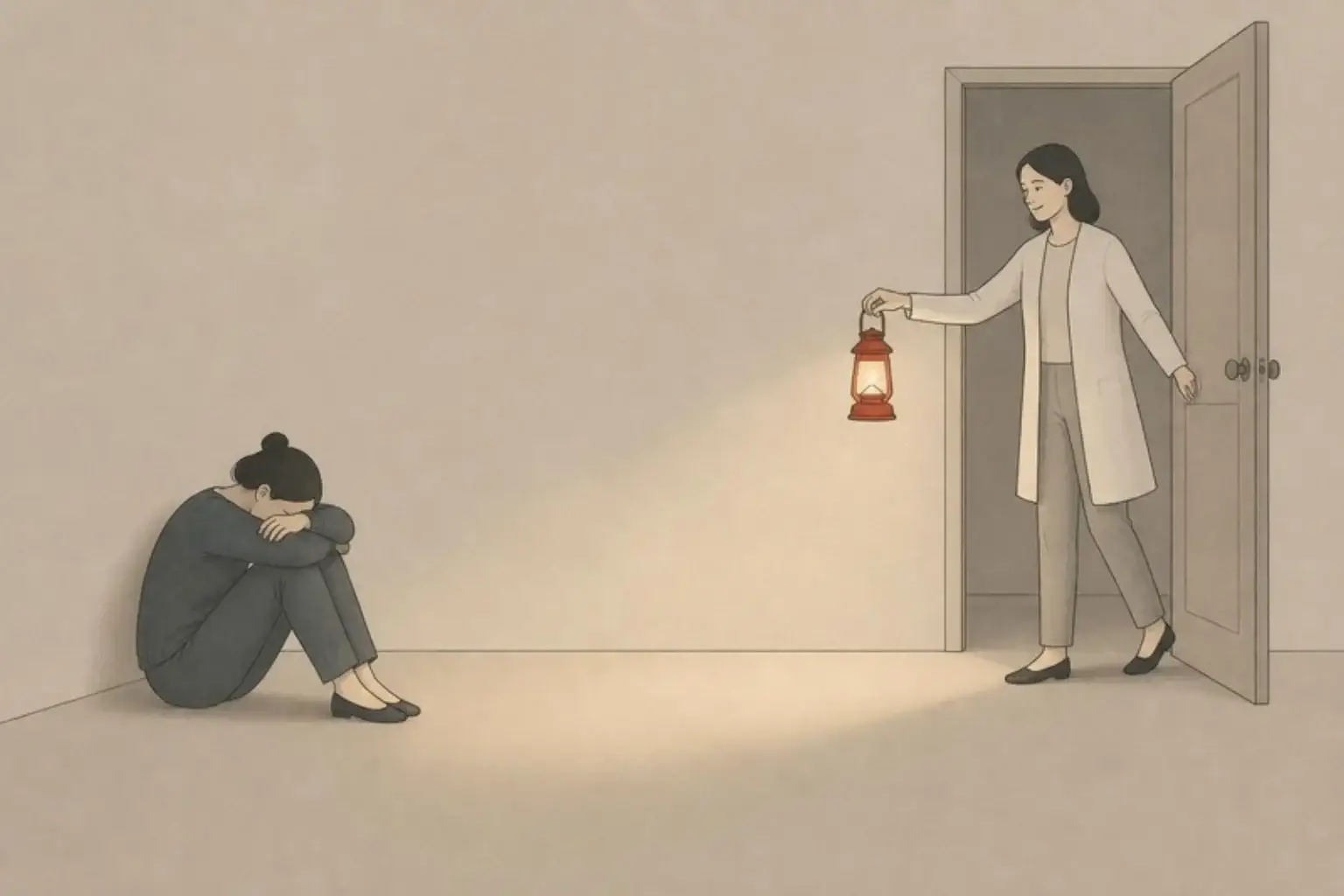
Reflecting on distress and meaning while recognising when professional mental health support is needed.
Read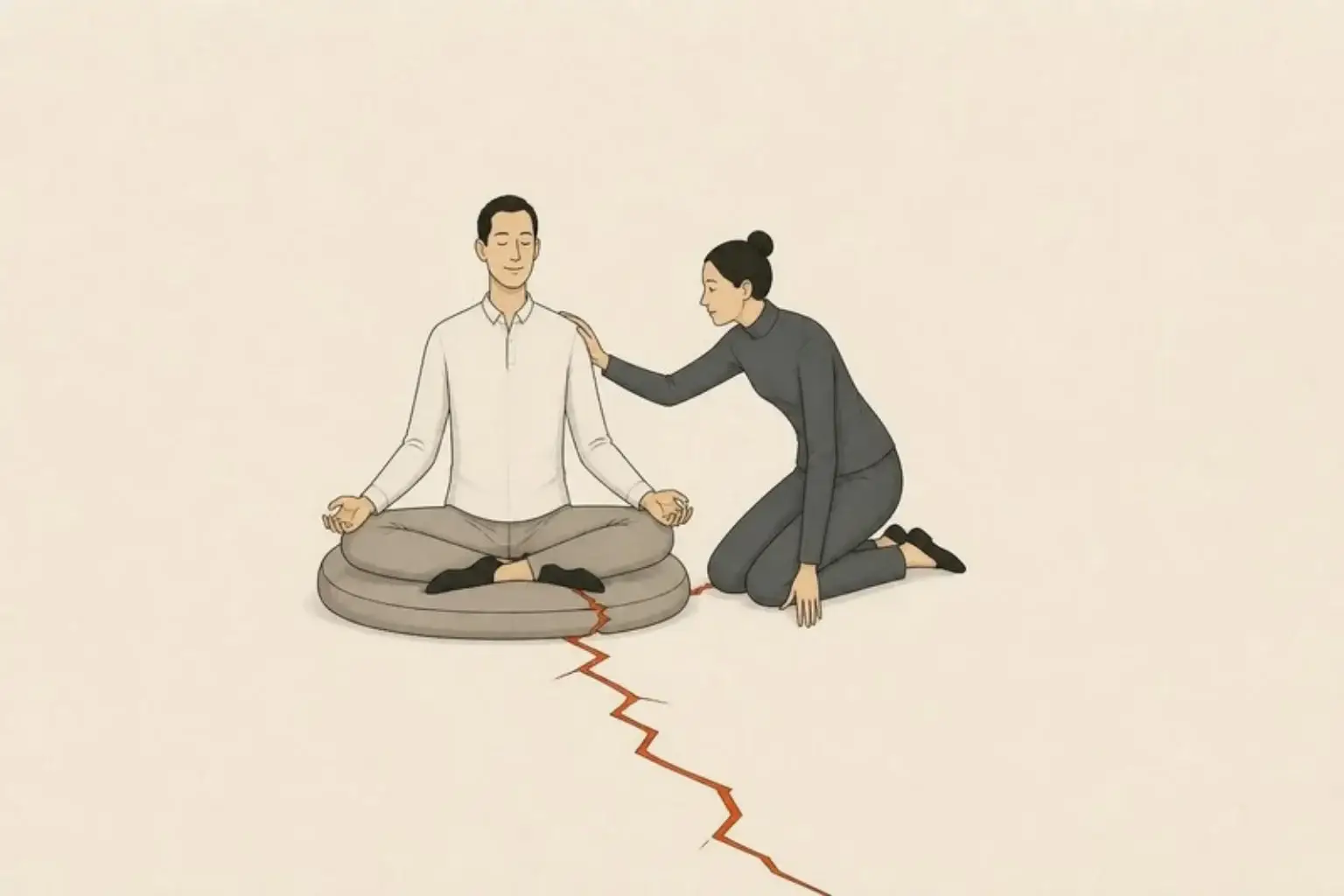
When spiritual explanations leave difficult feelings or practical needs unaddressed.
Read
Noticing emotional exhaustion, relationship demands and the boundaries you may need.
Read
Making sense of unsettling experiences and recognising when to seek medical or mental health support.
Read
Exploring self-criticism, confidence and the expectations you place on yourself.
Read
Possible signs of depression and when to seek professional help. Experiences vary from person to person.
Read
Ways to offer support while looking after your own needs and encouraging professional help.
Read
Exploring anxiety in midlife and when physical symptoms need medical assessment.
Read
Friendship changes in adulthood and manageable ways to reconnect.
Read
Barriers that can make asking for support difficult, and ways to take a first step.
Read
Email therapy with Kita
A piece of writing may help you recognise something in your life. If you would like to explore your own experience with me, email therapy is one way to begin.
Explore email therapy£50 per week. One personal written reply through Carepatron. Suitability, your weekly reply day and terms agreed before payment.
Explore individual counselling after a breakup or online therapy for loneliness, including how sessions work and what they cost.
If a pattern you keep reading about is the one you keep living, a short consultation is a good place to start.
Start with a free 15 to 20 minute consultationLooking for worksheets? Browse the practice tools.

A little gift from me, Kita, to you.
A busy mind. A difficult feeling. A day that has asked a lot. I made a place where you can draw, play, listen or find a little quiet.
Open The Pause RoomFree to explore. No sign-up. Come as you are.
The pointer shows where you land.
When all you can say is that you feel off, try a word and see if it fits. You can feel several things at once.
Open the full Feelings Wheel guide