I have been told many times that I am different.
Sometimes too loud. Sometimes too quiet. Sometimes, it seems, simply too me.
I want to write about that gently, because people do not always realise how much a passing comment can stay with someone. They may forget saying it. The person hearing it may continue wondering what, exactly, they were supposed to change.
Too loud and too quiet is quite a range to get wrong.
There is a little humour in that. There is sadness in it too. When the feedback keeps changing, it can become difficult to know whether you need to do something differently or whether being yourself is the problem.
I have ADHD and autistic traits. I am also an individual and couples therapist. This is something I care about personally, especially when I think about women who are still trying to understand themselves.
01. Getting my ADHD diagnosis was the best thing I did for myself
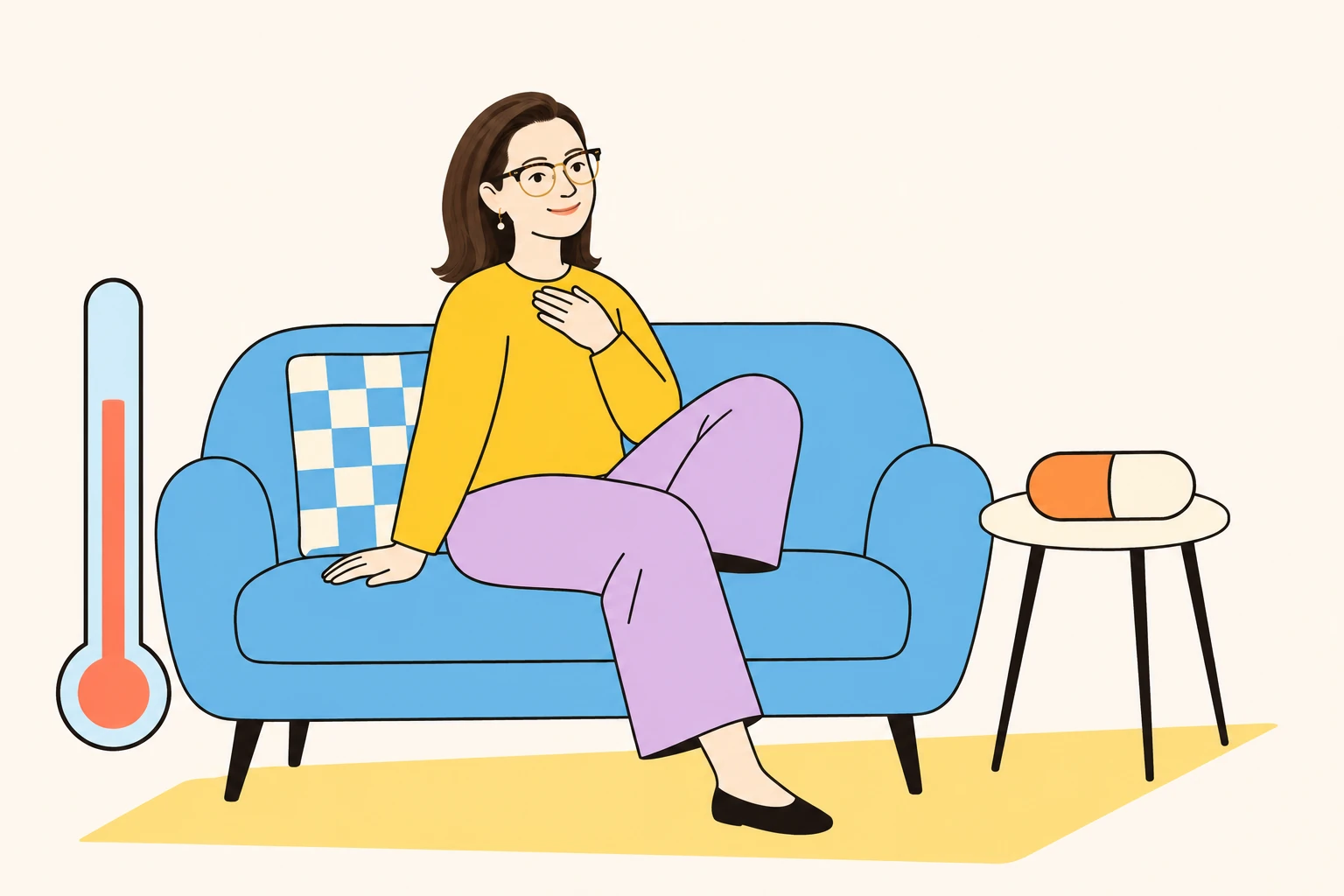
My GP misdiagnosed me with depression. Eight years ago, I decided to go to a psychiatrist on Harley Street in London, where I was diagnosed with ADHD.
It was the best thing I have done for myself. I mean that.
Years later, I have sent many of my clients there for assessment too. I feel strongly about people having the opportunity to understand what is happening to them, particularly when an earlier explanation has left important questions unanswered.
I am sharing my experience because getting an accurate understanding matters. Depression and ADHD can coexist, and both deserve proper care.
For me, seeking that assessment was an important decision. Eight years on, I still feel that way.
Understanding myself matters to me as a person as well as a therapist. I want that same opportunity for other women: to understand their difficulties, make informed choices and find the right support that takes their own experience seriously.
And honestly, I wish more women could get the understanding they need without spending so long wondering what is wrong with them.
02. When different starts to sound like a criticism
Being different is not automatically painful. How people respond to difference can be.
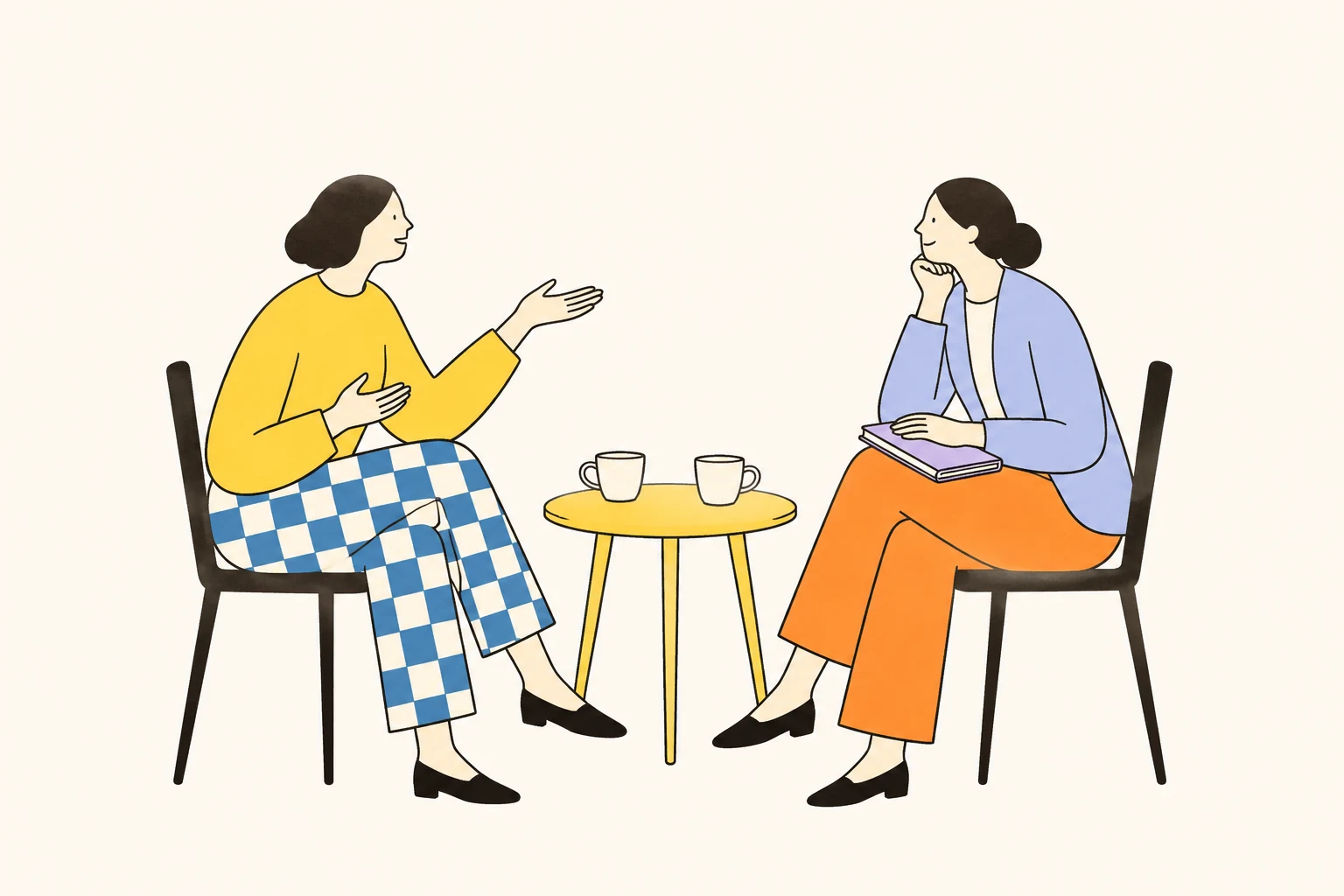
There is a difference between someone being curious about you and someone repeatedly asking you to become easier for them to understand.
I want to be careful here. We all need feedback. We all have things to learn about how we affect other people. I certainly do not think having ADHD means every criticism is unfair.
But I do think we should notice when feedback becomes a description of someone's whole personality.
There is something practical we can do with being told that we interrupted. We can pause, apologise and return to listening.
Being told we are too much leaves us with a rather bigger and less useful assignment.
Which part, exactly?
Our enthusiasm? Our way of speaking? The questions we ask? The quiet we need afterwards?
I would rather we become more specific and more curious. That gives a person somewhere to begin without making them feel that their entire self needs correcting.
03. Why ADHD in women can be missed
ADHD can affect attention, organisation, activity levels and impulse control. It begins in childhood, although someone may reach adulthood before it is recognised.
The NHS notes that women more often have inattentive difficulties, which can be less noticeable than obvious hyperactivity. NICE also warns that ADHD in girls and women may be missed or incorrectly identified as another condition.
That matters to me because an explanation influences how we respond to ourselves.
If you believe you are simply careless, you may keep promising to care more. If the difficulty involves attention or organisation, you need to understand what support would actually help.
Perhaps you complete your work but need enormous effort to start. Perhaps you remember an important commitment through repeated checking rather than ease.
Those examples alone do not establish ADHD. They remind us to ask about the effort behind what we see.
I want us to be able to notice both competence and difficulty in the same woman.
She should not have to fall apart before someone takes the difficult part seriously.
04. What this can mean in relationships
Relationships are one reason I feel so strongly about this subject.
A difference that nobody understands can acquire a very personal meaning between two people.
A missed message becomes evidence of not caring. A request for quiet feels like rejection. An attempt to explain sounds like an argument.
Then the explanation itself becomes another problem.
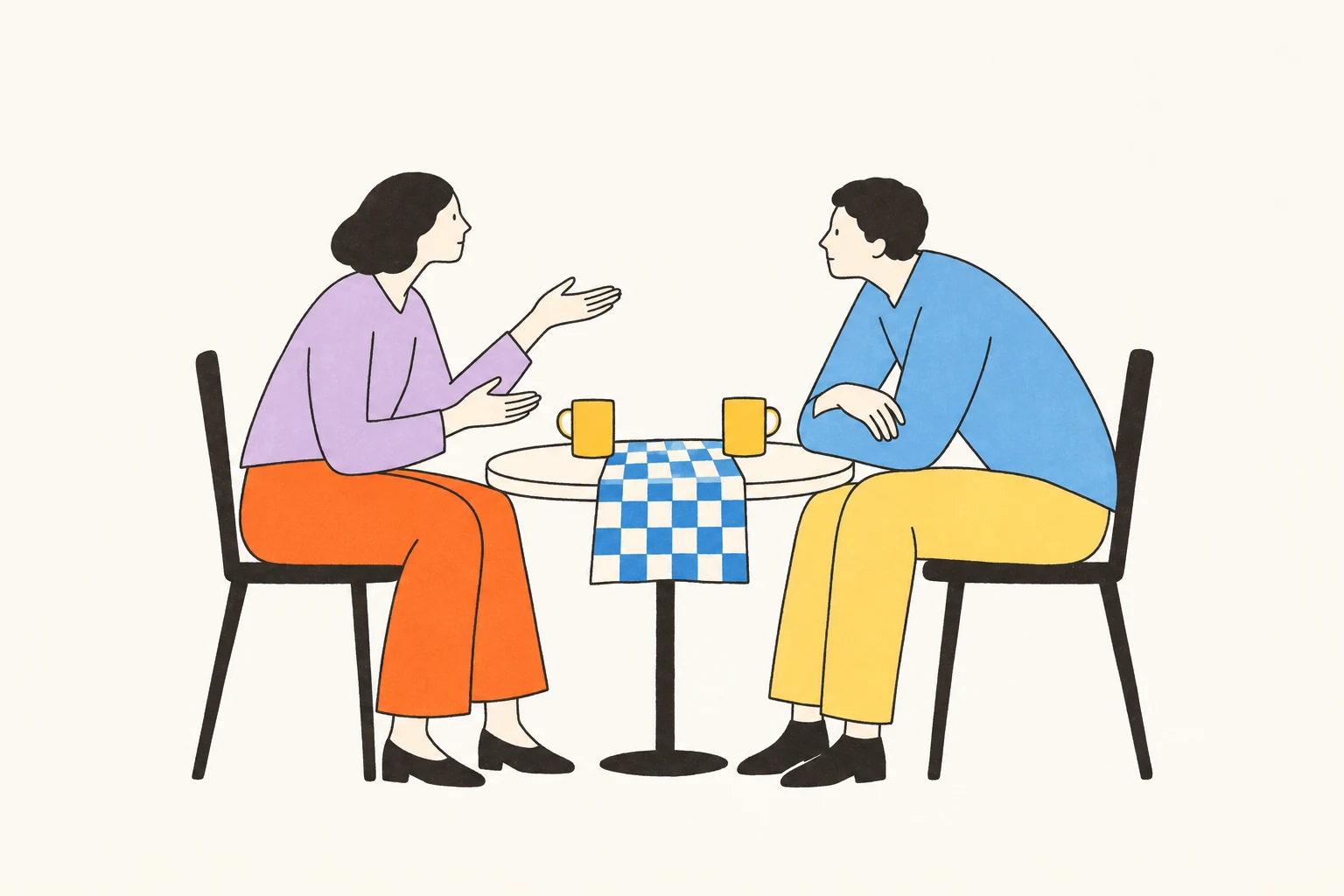
You try to clarify what you meant. Your partner wants you to acknowledge what hurt. You add more detail because you feel misunderstood, while they feel you are moving further away from their experience.
Both of you may be trying to reach each other. Neither feels reached.
When somebody says calm down at that point, it may land painfully. You might have been trying to make yourself clear, and suddenly the conversation is about whether your feelings are acceptable.
Sometimes a partner needs the pace or volume to change. That need matters too. We can ask for it without making the other person feel ridiculous.
For example:
I want to understand you. I am finding it difficult to take everything in at once. Can we slow down and stay with this one point?
And the person explaining might say:
I know that what happened hurt you. I want to understand that. I also need a chance to explain what was happening for me.
I want both people to have that chance.
ADHD does not remove our responsibility for the impact we have. Understanding the difficulty can help us take responsibility in a way that leads to change.
05. Love, everyday life and the things we keep arguing about
Love does not make remembering, planning or finishing tasks effortless.
It would be useful if it did. There would be considerably fewer arguments about entirely unromantic things.
Instead, couples can end up fighting about the shopping, a bill, a late arrival or the same unfinished job.
For the partner carrying extra responsibility, this can feel exhausting and lonely. For the person with ADHD, another reminder can feel like another confirmation that they are disappointing someone.
I do not want either person dismissed.
The practical question is what would make the responsibility manageable and reliable. A reminder, a clear division of tasks, or writing down an agreement may help. The person responsible needs to be involved in choosing and maintaining that support.
A partner should not quietly become the manager of everything.
And being reminded of a difficulty should not turn into being spoken to with contempt.
Sometimes we also need to talk about closeness. You may want affection but feel overwhelmed by touch, noise or exhaustion. Your partner may feel unwanted.
Those experiences have different possible explanations. It helps to ask before deciding what they mean.
I want to be close to you. I need some quiet first.
That gives your partner more to understand than pulling away and hoping they interpret it correctly.
06. I have autistic traits too
I describe myself as having ADHD and autistic traits. I am making that distinction deliberately, because recognising traits is different from receiving a formal autism diagnosis.
ADHD and autism are distinct, and they can coexist.
Autistic experiences can include sensory sensitivities, literal interpretation, differences in communication and a need for predictability. The NHS also describes how masking, including adjusting behaviour to fit other people's expectations, can make social situations exhausting.
I want room for us to speak honestly about these experiences without assuming everybody feels the same.
Someone can enjoy company and still need time alone afterwards. They can want connection and find a particular kind of conversation difficult.
I would like us to ask what helps, rather than deciding that the need itself is unreasonable.
That is relevant in therapy too. We can discuss pace, direct questions, pauses and ways of communicating. These are things we can explore together.
07. Understanding yourself later can bring sadness too
There is something tender about looking back with information you did not have before.
For some women, a late ADHD diagnosis brings relief. It can also bring sadness about the years spent misunderstanding themselves.
You may think about a younger version of yourself and wish somebody had asked a different question.
You may wonder whether certain experiences would have felt less lonely with better support.
I want to leave room for those feelings. We do not need to rush someone towards being positive about their diagnosis.
Nor does understanding yourself mean deciding that everything in your life happened because of ADHD. Relationships, family experiences, health and circumstances still matter.
But perhaps some old conclusions deserve another look.
Being unsuccessful with a particular strategy does not mean you were unwilling to try. Needing help does not make your effort less real.
And there can be things you regret alongside things you now understand more kindly.
We can hold both. We can take responsibility without speaking to ourselves as though we were deliberately making life difficult.
08. Why I want therapists to be more aware
I believe every counselling therapist should know enough about ADHD and autistic traits to notice when further exploration might help.
We should be asking questions. We should be willing to reconsider an explanation when it does not account for what someone is telling us.
If a person repeatedly forgets an exercise, we can explore what made it difficult. If silence or a broad question leaves them stuck, we can ask whether a more direct approach helps.
We can look at longstanding patterns, daily functioning and childhood experiences while considering other explanations too.
NICE recommends a full ADHD assessment by an appropriately qualified specialist. Recognising possible traits is a reason to discuss assessment, not to announce a diagnosis.
My own experience gives me a personal reason to care about this. It also reminds me that I need to listen properly.
Having ADHD myself does not mean I already know your experience.
I want to understand what it is like for you.
09. What I want you to know
If you have been called different, too loud or too quiet, I would like you to have the opportunity to explore what those words have meant in your life.
Some feedback may help you grow. Some may say more about another person's expectations. We can look at that carefully, without automatically blaming you or everybody else.
You are allowed to ask for understanding. Your relationships also need room for boundaries, consent and mutual respect.
A diagnosis never makes humiliation, intimidation or controlling behaviour acceptable.
In my online individual and couples therapy, we can explore what keeps happening, what each person needs and what changes may help.
If this is part of your relationship, read about ADHD and relationships therapy with me. I explain how sessions can make room for different ways of thinking, the difficulties we can explore and how to begin.
There may be habits you want to change. There may be needs you have struggled to explain. You do not have to arrive already knowing which is which.
I care about supporting women with this because my own diagnosis mattered so much to me.
If you would like to work with me, you can arrange an initial consultation through my website.
We can begin with your experience, in your words.
A few questions about ADHD and assessment
Can ADHD be mistaken for depression?
Yes, it can be missed or mistaken for another condition. ADHD and depression can also occur together. A thorough assessment considers your history, present difficulties and other possible explanations.
How can I seek an adult ADHD assessment?
Speak to your GP about difficulties affecting your life and ask about assessment routes. My own assessment was private. The options available to you may differ.
Do I need a diagnosis before counselling?
You can seek counselling for the difficulties you are experiencing without a diagnosis. Counselling can support you before, during or after assessment, but it does not replace a specialist diagnostic assessment.