
Daniel kept a note on his phone titled “Things I did wrong today”. His wife asked to see it most evenings. If the list was short, she added to it. He told me about the note in our third session, laughing, the way men laugh when they expect to hear they are overreacting. He was not overreacting. He had lived with emotional abuse for six years and had never once used the word.
Abuse by a wife is real, and more common than most men believe. It looks like constant criticism, control of money or your phone, threats, cutting you off from friends, rage you learn to predict, and sometimes physical violence. If you feel afraid in your own home, the problem is not your weakness. Your first step is to tell one safe person and to keep yourself safe.
01What it looks like
Every couple fights. Abuse is different: a pattern of control, where one person sets the rules and the other lives inside them. You stop noticing the rules because you spend all your energy keeping them.
Physical violence happens to men too: shoves, slaps, thrown objects, being blocked from leaving a room. Most men never report it. They expect laughter, or disbelief, or both.
02Why men stay quiet
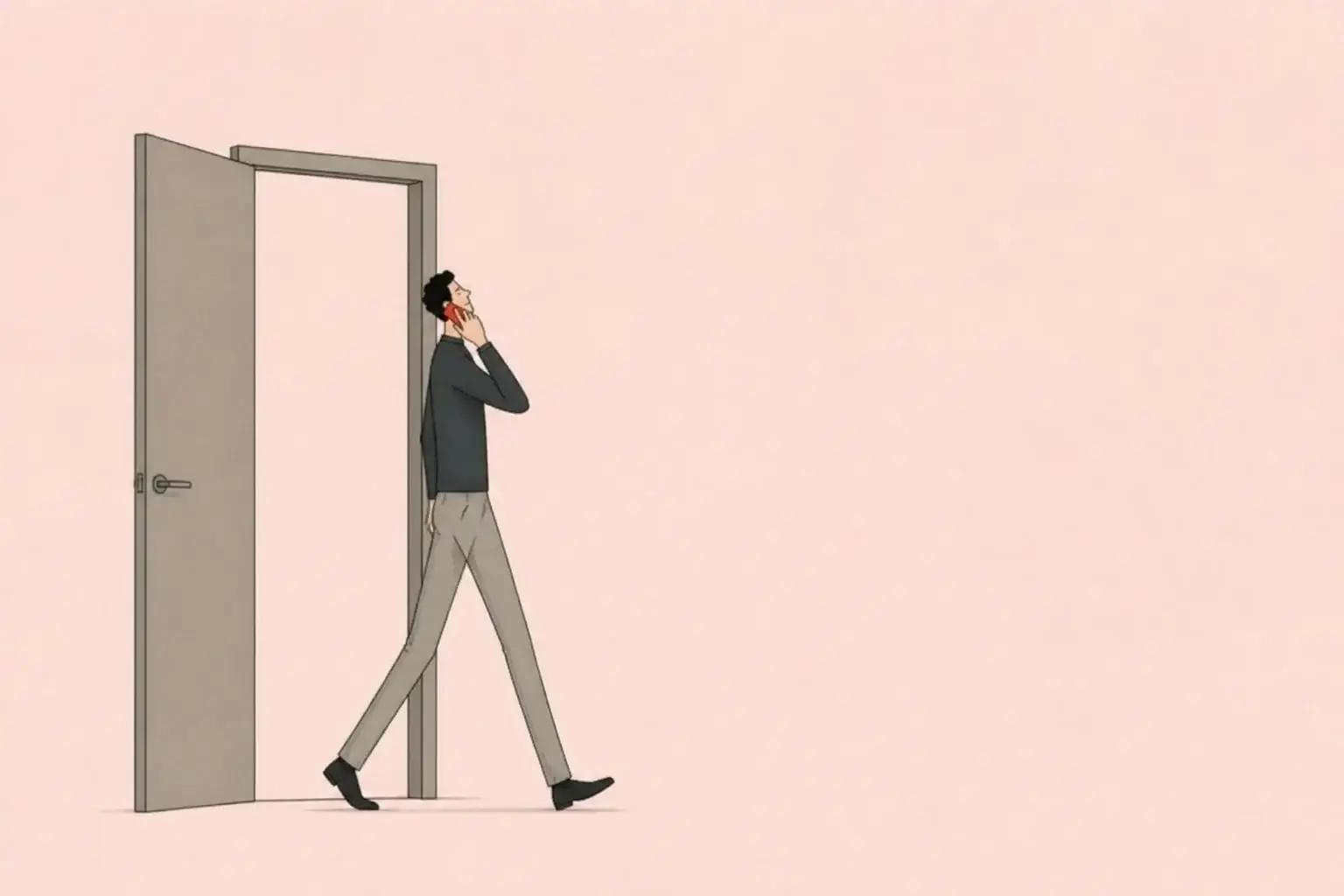
Most of the men I work with carry a rule from childhood: a man protects, a man copes, a man does not complain. Abuse from a woman breaks the rule twice. First he is hurt. Then he feels humiliated for being hurt.
Some men stay for the children. Some fear false allegations. Some live abroad on a visa tied to her job, far from family, with nobody nearby who knows them well. Each reason makes sense. None of them makes the abuse your fault.
Being hurt is not a failure of manhood. Hiding it costs you more.
Kita Tabachka, relational therapist
03What to do first
- Tell one person. A brother, a friend, your GP, a helpline. Saying the word out loud breaks the spell of the phone note.
- Keep a private record. Dates, what happened, photos of injuries, messages. Store it somewhere she has no access to.
- Plan for the worst evening. Where you would go, who you would call, where your passport and keys are.
- Walk away rather than retaliate. Leave the room, or the house, if she becomes violent or you feel close to losing control.
- Speak to a solicitor before you leave if children are involved.
If you are in immediate danger, call 999 in the UK or your local emergency number abroad. In the UK, the Men’s Advice Line gives confidential support to men affected by domestic abuse on freephone 0808 801 0327, Monday to Friday, 10am to 5pm. Couples therapy is not safe while one partner is afraid of the other. Individual support comes first.
04Rebuilding after control
Men who leave, and men still deciding, describe the same aftermath. They no longer trust their own judgement. Years of hearing you remember things wrong leave a mark.
In individual therapy we start with the plain facts of what happened. Then the body, which learned to brace before the key turned in the door. Then your own voice, which got quieter every year.
Daniel deleted the note after four months. He started a new one: things I handled well today. The list grew. Therapy for men explains how I work, and trauma and attachment therapy covers the longer repair.
Private online sessions for men, wherever you live
I work in English with men in the UK, Europe and the Gulf, in sessions nobody else joins. See how sessions run in your city, or read about therapy for men.
More from the journal
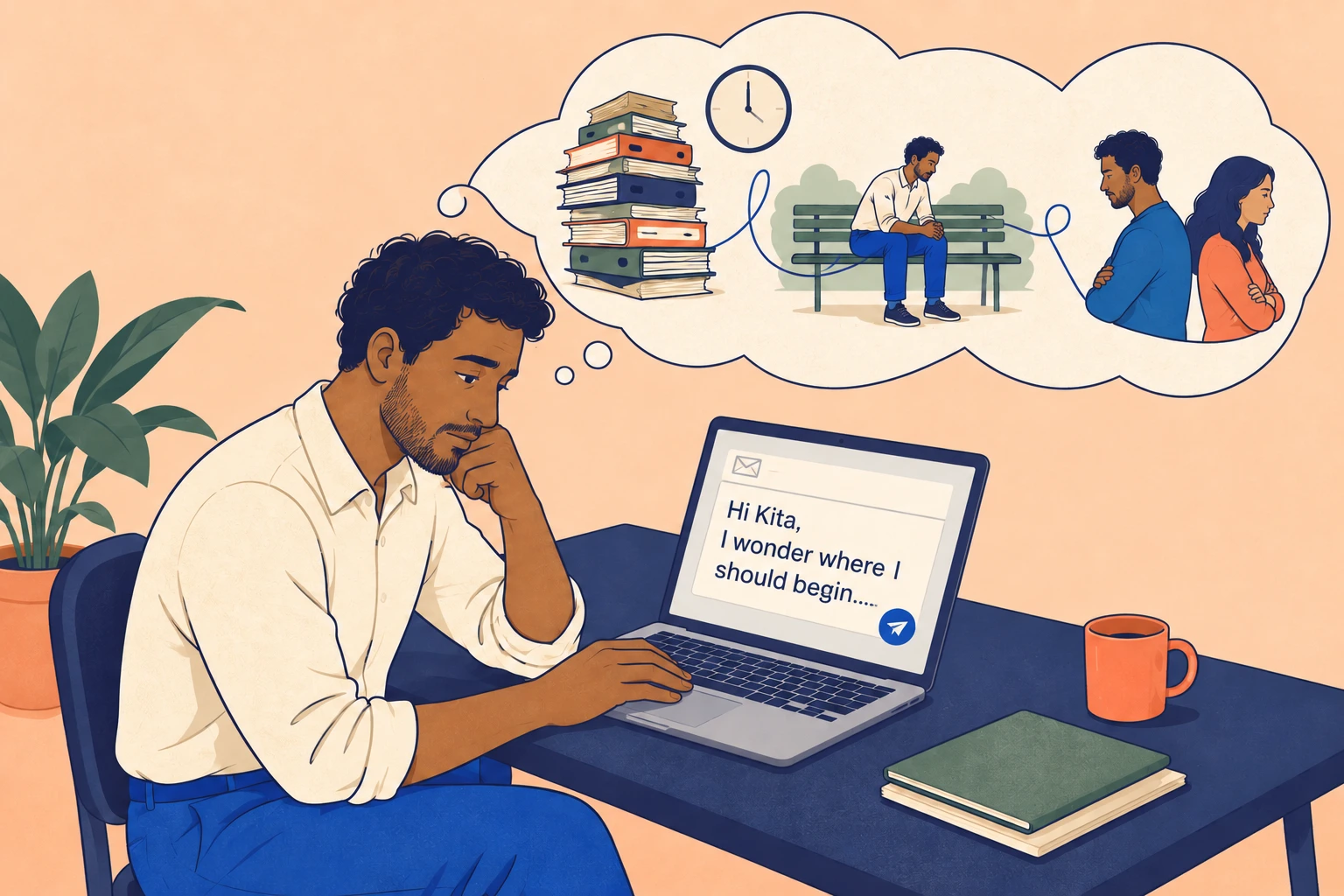
Weekly written counselling with Kita
When writing feels easier than speaking.
You can enquire about weekly written counselling for your own experience of relationships and life abroad. We agree whether this format is a useful fit before you pay.
Explore written counselling£50 per week. One personal written reply through Carepatron. Suitability, your weekly reply day and terms agreed before payment.

Kita Tabachka
I am a BACP-registered relational therapist. I work with individuals and couples, many of them living far from where they began, on relationship anxiety, attachment, intimacy and the strange business of building a self in a new country. The stories here are composites. The patterns are real. My writing is a door into the work, never a substitute for it.
More about my practiceQuestions people ask
This article is written by Kita Tabachka, MBACP, and is for general education and reflection. It describes patterns seen in clinical work, but it is not therapy, and it is not a substitute for individual advice from a qualified therapist, doctor or other professional who knows your situation.
Reading it cannot diagnose anything or replace your own judgement about what you need. If something here resonates and you would like support, you are welcome to learn more about my practice or book a free consultation. If you are in crisis or immediate danger, please contact local emergency services or an urgent mental health line in your country.
Join the conversation
If you have lived this, say so. Your words may be the thing a stranger at midnight needed to read.