
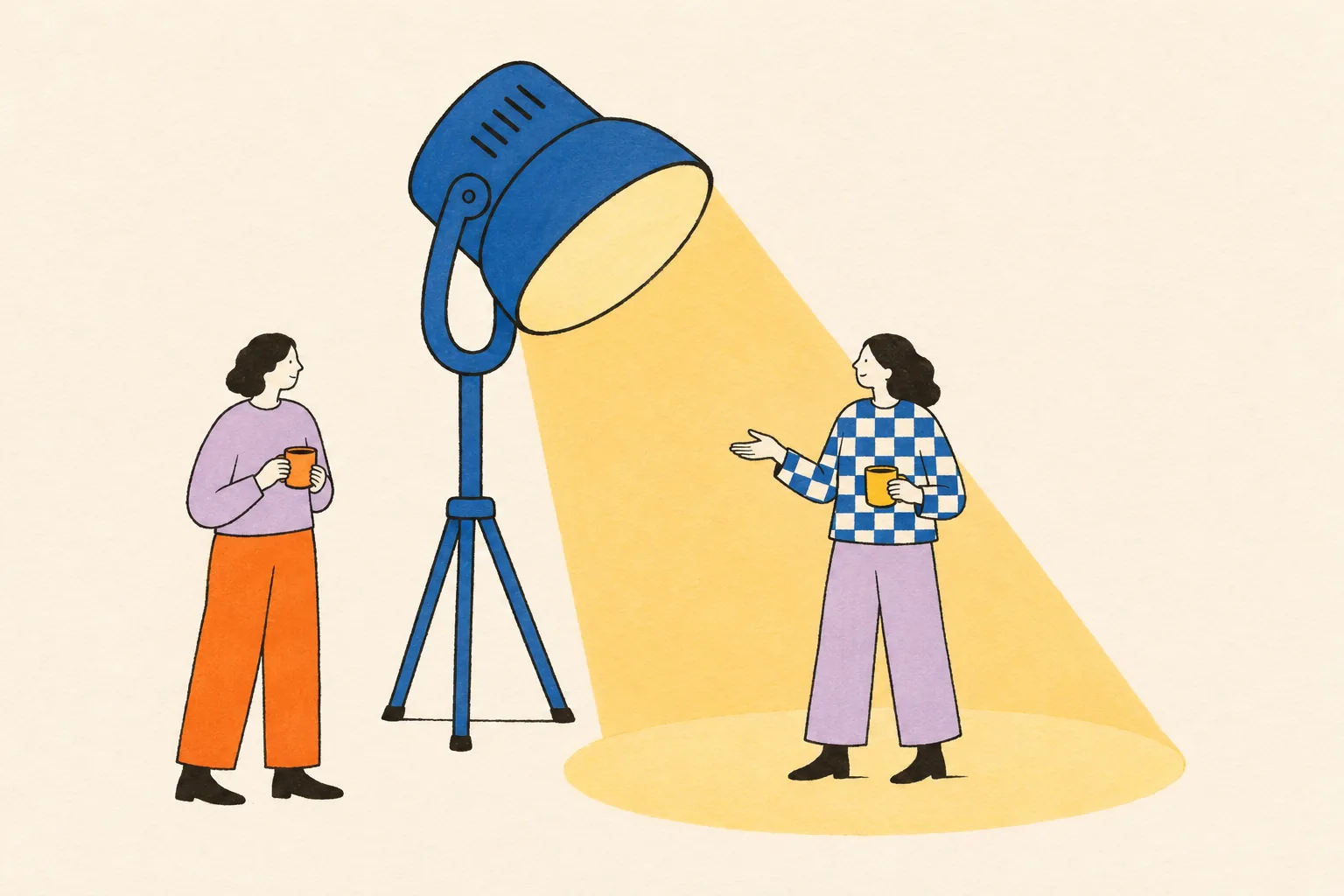
Imagine you’re at a friend’s birthday. You ask about the new job, remember the dog’s name and laugh at the right places. On the bus home you realise that nobody learnt a single new thing about you. You’d been so busy making the conversation easy that you barely took part.
To be more likeable, show interest, listen to the answer and let the other person get to know you too. Practise warmth and reliability in small, ordinary ways. One person’s reaction can tell you something about the encounter. It cannot settle what you’re like to know.
Make it easy to begin
- Say hello first. A simple hello makes it easier for the person who’s also waiting for an opening.
- Ask one follow-up. If they tell you they’ve moved, ask what they’re getting used to instead of immediately telling your own moving story.
- Let them finish. The detail they add after a pause might be the bit they actually wanted to tell you.
In studies of people getting acquainted, those who asked more questions, particularly follow-ups, tended to be better liked by their conversation partners. The authors linked this to feeling heard and understood. Read the question-asking study.
Give them someone to get to know
- Offer one detail about yourself. I spent Sunday trying to fix a lamp and made it worse will do.
- Say what you actually prefer. I’d rather go somewhere quiet gives them a real choice to make with you.
- Be specific when you appreciate something. I liked the way you made room for Anna tells them what you saw.
- Keep the small promises. If you say you’ll send the recipe, send it.
A conversation goes better when both people get to be somebody.
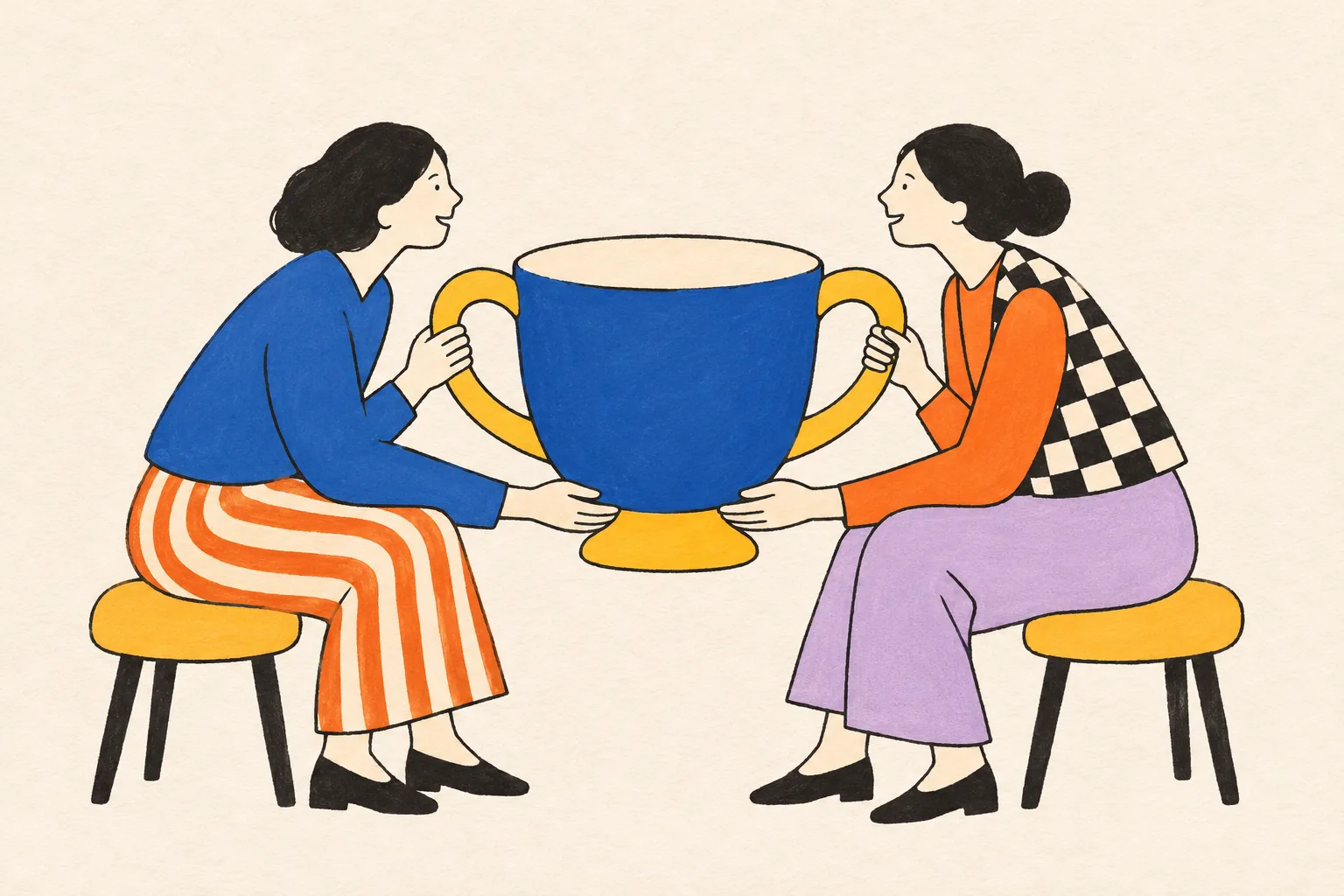
Let the other person do their share
- Make one invitation. Suggest coffee after work on Thursday and give them time to answer.
- Repair a small awkward moment. Sorry, I cut you off. What were you saying? is enough.
- Give the evening time before you grade it. In several studies, people tended to underestimate how much their conversation partners liked them. Read the liking gap study.
At the next birthday, try sharing one preference you’d usually keep to yourself. Afterwards, ask whether you found anyone you wanted to get to know better. You’re allowed an opinion about the evening too.
Where do you go quiet to keep things easy?
Think of one moment when you agreed automatically. What would your honest answer have been?
If you’re used to keeping people happy at your own expense, we can explore that in a free initial consultation. You might also find my piece on saying no without overexplaining useful.
Questions you might be asking
Can I be likeable if I’m quiet?
How can I tell if I’m people-pleasing?
The opening is an illustrative situation. This article offers general reflection.

Kita Tabachka
I am Kita, a BACP-registered relational therapist. I work online with individuals and couples on the feelings, relationships and recurring patterns that have become difficult to manage alone.
More about my practice