
Imagine you’re in your car outside the supermarket. A friend has asked if you mind changing Saturday’s plans. You reply that it’s fine and put the phone down a little too hard. You’ve been trying to work out for years why you say yes so quickly and feel so angry afterwards.
Individual therapy can help you understand yourself by looking closely at what you feel, expect and do in moments that keep repeating. A therapist can offer observations. You can ask what they noticed, disagree with their reading and take time to work out what fits.
What do you want someone to tell you?
There’s a particular relief in hearing someone put words to something you’ve been stumbling over. The wish behind tell me about myself might be that simple. It can also mean you’re tired of having to decide what’s reasonable all on your own.
Sarah Manavis’s forthcoming book Tell Me About Myself raises a wider question about how therapy language travels into popular culture. I want to stay with a smaller one. When someone gives you a name for what you do, what do you still need to understand about the moment you do it? Sarah Manavis on the book.
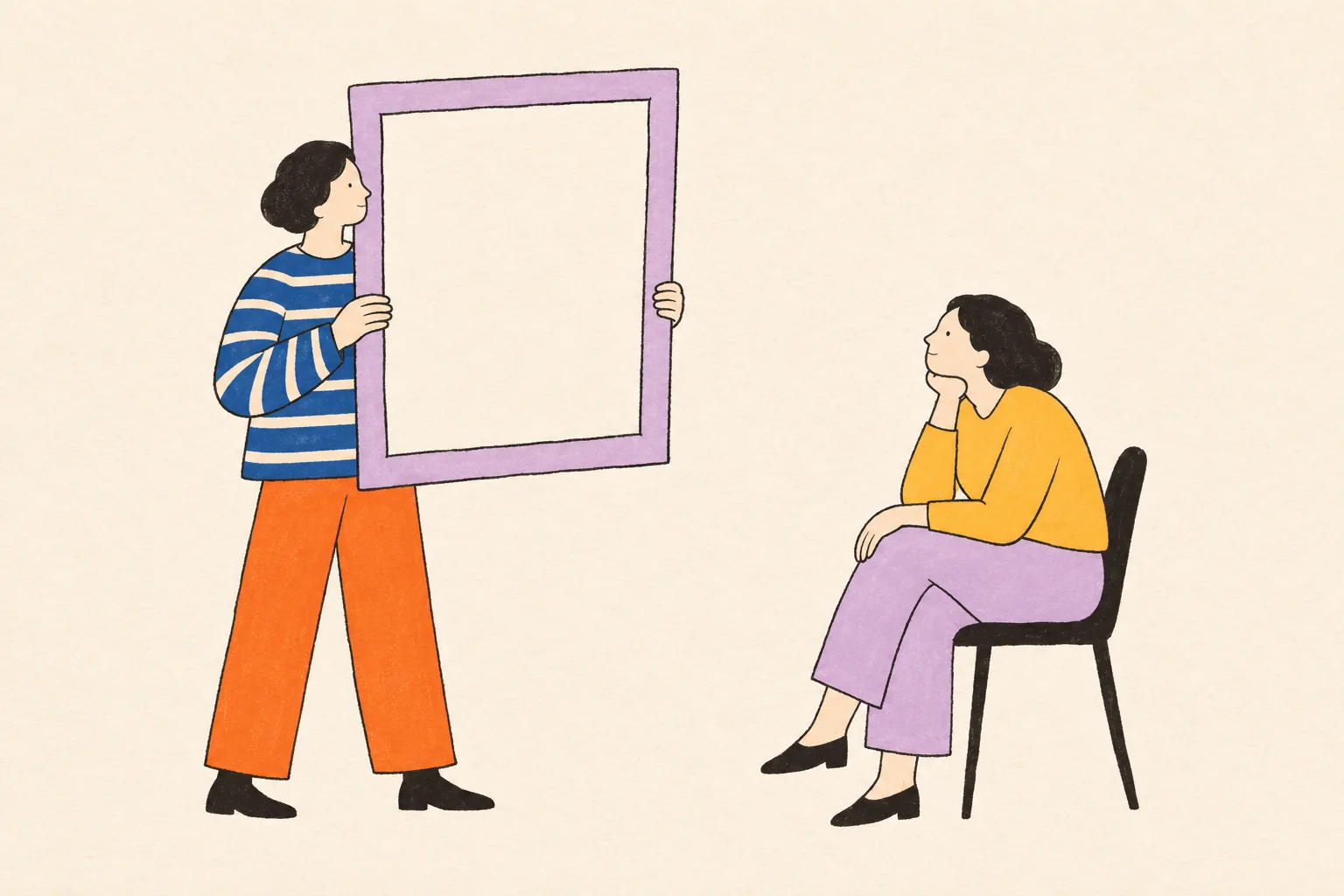
What a therapist might notice
We might slow down the few seconds before you replied. What did you imagine your friend would think if you said you wanted to keep the original plan? Perhaps you expected them to be cross. Or perhaps you heard yourself thinking that wanting anything at all made you difficult.
I might ask whether saying yes gave you some relief in the moment. You might tell me I’ve missed something. You were angry because this friend often changes plans and expects you to fit round them. That correction matters. We can look at what came from you and what actually happened between you.
You get to tell me when my reading of you feels wrong.
What to bring to individual therapy
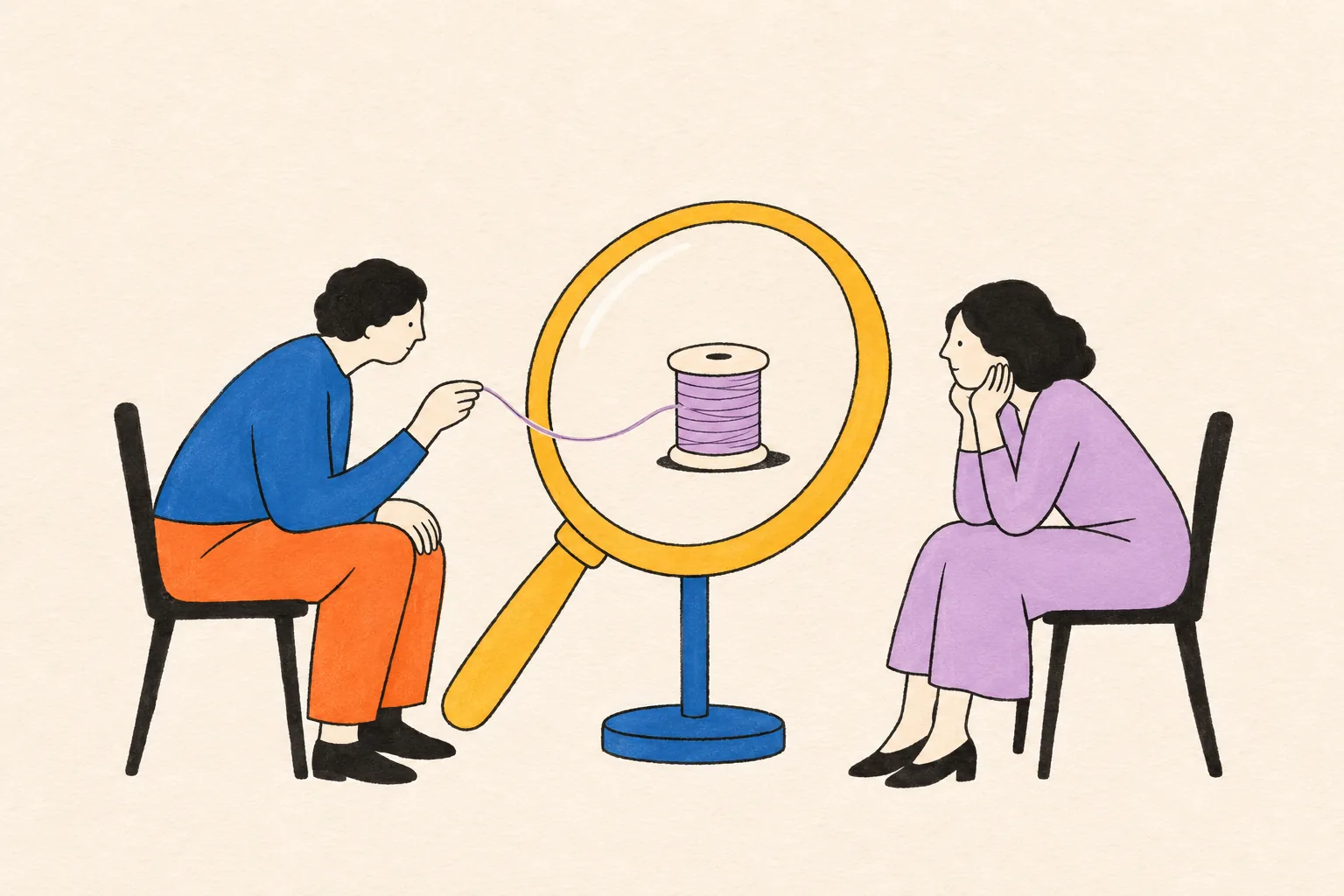
Bring one small moment. The text from the car park will do. Say what happened, give me the words you actually used and tell me what you wished you’d said. If you want feedback, ask for it directly.
I keep saying things are fine and then going home furious. Can you tell me what you notice when I talk about it?
A counsellor can help you explore your thoughts, feelings and behaviour and make sense of them in your own words. Ask how they work if you’d like more or less feedback. BACP guide to counselling.
Next Saturday, there might be a little space between the question and your answer. Enough to ask yourself whether you’re actually free to move the plan, or whether you’d just like to keep it.
What would you like a therapist to notice with you?
Pick an ordinary moment you’ve thought about more than once. What still feels unfinished about it?
If there’s something you keep doing and want to understand, you can read more about online individual therapy or book a free initial consultation.
Questions you might be asking
Can I ask my therapist what patterns they notice?
Do I need to know why I react this way before I start?
The opening is an illustrative situation. This article offers general reflection.

Kita Tabachka
I am Kita, a BACP-registered relational therapist. I work online with individuals and couples on the feelings, relationships and recurring patterns that have become difficult to manage alone.
More about my practice