
Sam went to the gym every morning for six weeks after Lucy left. New programme, new protein, new record on the bench. His friends said he was handling it brilliantly. In week eight, at a petrol station, a song she liked came on the radio and he sat in the car and cried for twenty minutes.
There is no fixed timetable or sequence for recovering from a breakup. Start with manageable routines, contact with someone you trust, and support if you are struggling. Grief may come and go. Where you share children or responsibilities, agree practical boundaries for contact rather than assuming you must cut it off.
The NHS guidance on grief and loss includes the end of a relationship and explains that feelings do not follow a fixed order. This article offers general reflection, not an assessment of your circumstances.
If you would like individual support with what the ending has brought up, read about online breakup counselling with Kita.
01When grief arrives later
Some people respond to a breakup by staying busy. Work, exercise and company may help, while difficult feelings can still surface unexpectedly. Others feel the loss immediately. Neither response tells you how long recovery will take.
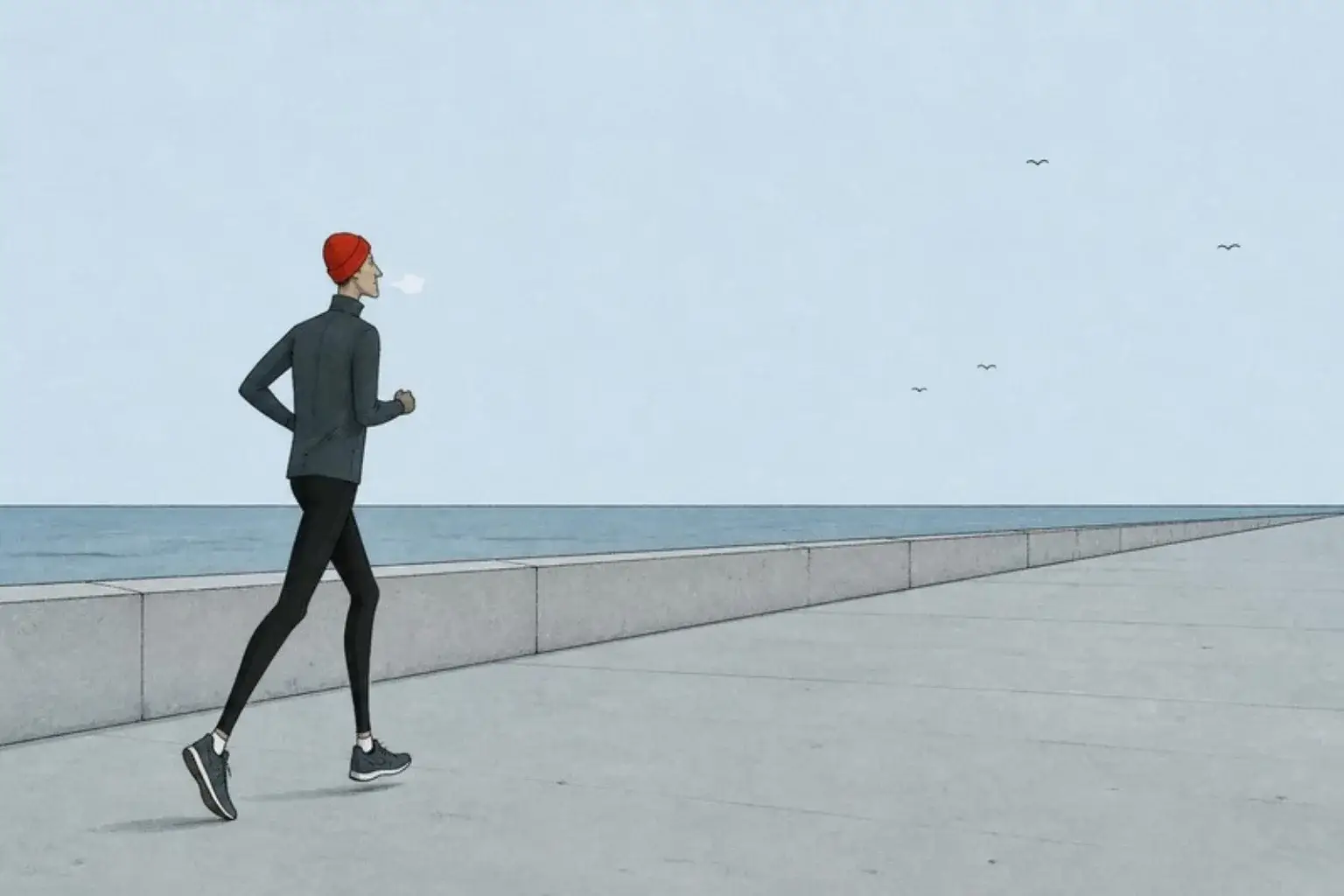
02The first month
Doing is a painkiller. It does not treat the injury.
Kita Tabachka, relational therapist
03What keeps you stuck
Men who stay stuck often do one of three things: they rebound fast to avoid feeling it, they keep a door open by staying in touch, or they turn the grief into anger at her. All three are understandable. All three keep the breakup going.
Sam started sessions a week after the petrol station. We did not talk about Lucy much at first. We talked about his dad leaving when he was nine, and why losing someone felt like it had to be survived alone. If the breakup was a divorce with children, read coping with separation as a dad. Therapy for men explains how sessions work.
Men going through separation carry a much higher risk of suicide than married men. If you have thoughts of ending your life, call Samaritans on 116 123 (UK, free, any hour), or CALM on 0800 58 58 58. Outside the UK, contact local emergency services or a crisis line in your country.
More for men, from the journal

Weekly written counselling with Kita
When writing feels easier than speaking.
You can enquire about weekly written counselling for your own experience of relationships and life abroad. We agree whether this format is a useful fit before you pay.
Explore written counselling£50 per week. One personal written reply through Carepatron. Suitability, your weekly reply day and terms agreed before payment.

Kita Tabachka
I am a BACP-registered relational therapist. I work with individuals and couples, many of them living far from where they began, on relationship anxiety, attachment, intimacy and the strange business of building a self in a new country. The stories here are composites. The patterns are real. My writing is a door into the work, never a substitute for it.
More about my practiceQuestions men ask me
This article is written by Kita Tabachka, MBACP, and is for general education and reflection. It describes patterns seen in clinical work, but it is not therapy, and it is not a substitute for individual advice from a qualified therapist, doctor or other professional who knows your situation.
Reading it cannot diagnose anything or replace your own judgement about what you need. If something here resonates and you would like support, you are welcome to learn more about my practice or book a free consultation. If you are in crisis or immediate danger, please contact local emergency services or an urgent mental health line in your country.
Join the conversation
If you have lived this, say so. Your words may be the thing a stranger at midnight needed to read.