Dating patterns
Why do I get the ick when someone likes me back?
By Kita Tabachka, BACP-registered relational therapist
The short answer. The ick is a sudden feeling of disgust towards someone you were attracted to. If it arrives every time a person starts to like you back, it is usually fear of closeness, and it responds well to being understood.
Date four. He has booked the restaurant you mentioned, remembered your sister's name and texted to check you got home. On Thursday he tells you he is deleting the apps. On Friday you notice the way he holds his fork, and you never want to see him again.
By Sunday you have told three friends about the fork. They laugh. You laugh. And a small, tired part of you counts: this is the fifth time in two years.
Two kinds of ick
The information ick. He is rude to the waiter. She mocks her ex in detail. They are careless with your time. Your disgust is doing its job, which is to keep you away from someone who treats people badly. Keep this one.
The closeness ick. Nothing about them has changed except how much they like you. The trigger is tiny: a laugh, a jumper, an emoji. The feeling is total, and it arrives within days of them getting keen.
The test is timing. Look at when it began. If the ick started the week they said "I like you a lot", booked a weekend away or introduced you to a friend, their fork is not the cause.
Why closeness sets it off
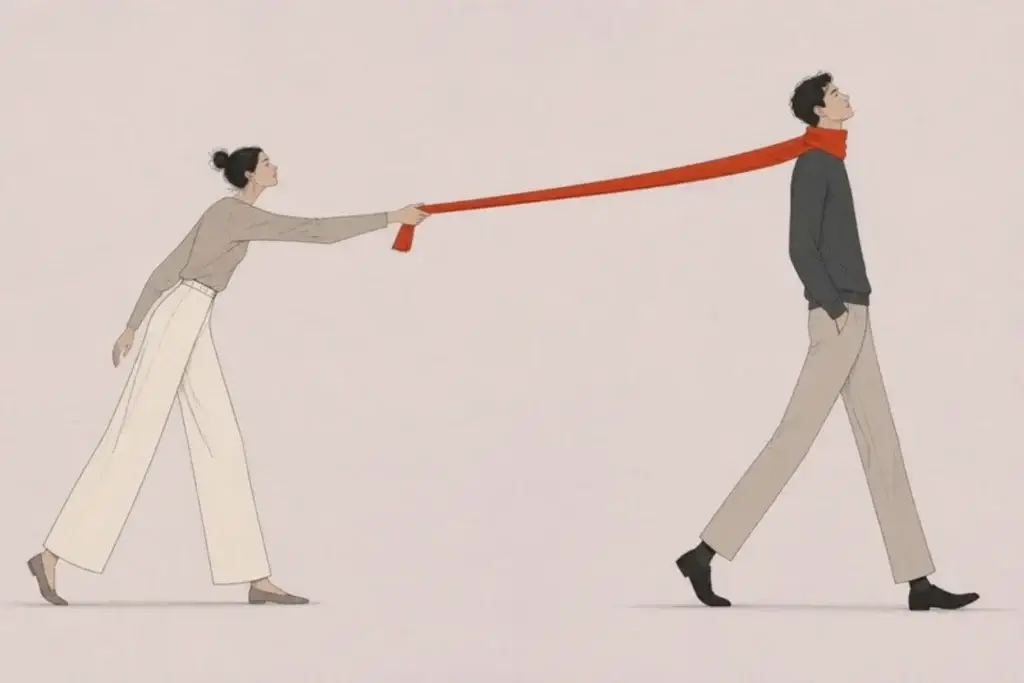
Wanting someone from a distance is safe. Being wanted back is where the risk begins, because a person who chooses you is also able to see you, need you and leave you.
If love in your early life came with criticism, intrusion or sudden loss, your body learned a rule: get out before it costs you. Disgust is the fastest exit a body has. It needs no explanation and nobody argues with it. You do not have to say "I am frightened". You say "I am not feeling it", and you are gone by Monday.
What it costs
The pattern leaves a recognisable trail. Relationships lasting six to twelve weeks. Strong attraction to people who are busy, vague or already attached, and none to people who are free and kind. A growing conviction: there is nobody out there. The common factor is the moment you leave. I have written more about one half of this in why we love people who pull away.
Is this you?
- The ick has ended three or more of your relationships.
- It tends to arrive soon after they show commitment.
- You are most attracted to people who are hard to reach.
- When someone is kind and available, you feel bored or trapped.
- You miss them once they have gone.
Three or more? This is a pattern, and a pattern is something therapy works with directly. Start with a free 20-minute conversation.
Book a free consultationWhat to do before you end it
- Wait for three more dates. A closeness ick often fades when you stay. An information ick gets stronger. Three dates tells you which one you have.
- Name it to yourself. "This is my leaving reflex." You are describing it, and you are not yet obeying it.
- Say one small true thing. "I get skittish when things go well. I am still here." A kind person relaxes when they hear it.
- Write your ick history. List the last three people, what set off the ick, and what they had done in the week before. Read the third column twice.
What working on this with me looks like
We start with a free 20-minute consultation by video. You tell me what keeps happening, I tell you how I would work with it, and you decide.
Sessions are online, 50 minutes, £70, weekly. We look at when the leaving reflex was learned and practise staying through the moment it fires. We set a review date at the start so the work has a shape. If you would rather write than talk, written counselling costs £50 a week. Read more about individual therapy with me.
One firm exception. Do not talk yourself out of an ick about how someone treats you. Pressure, contempt, anger when you say no, or a feeling of being afraid are information, and leaving is the right response.
Questions people ask
Does the ick go away? A closeness ick often does, if you stay through it for a few weeks and say what is happening. An ick based on how they treat people should not go away.
Is the ick a sign of avoidant attachment? It is one common sign, alongside feeling crowded by affection and valuing independence above closeness. Read attachment styles in relationships for what the labels do and do not tell you.
Why do I only want people who do not want me? An unavailable person lets you feel longing with no risk of being fully known. The wanting is real. The safety comes from their distance.
Related reading: 18 dating words explained · what is limerence? · relationship anxiety therapy
Five endings in two years is a pattern
A free 20-minute conversation, online. You decide what happens next.
Book a free consultationIndividual therapyMessage me on WhatsAppThis article is education. It does not replace therapy.