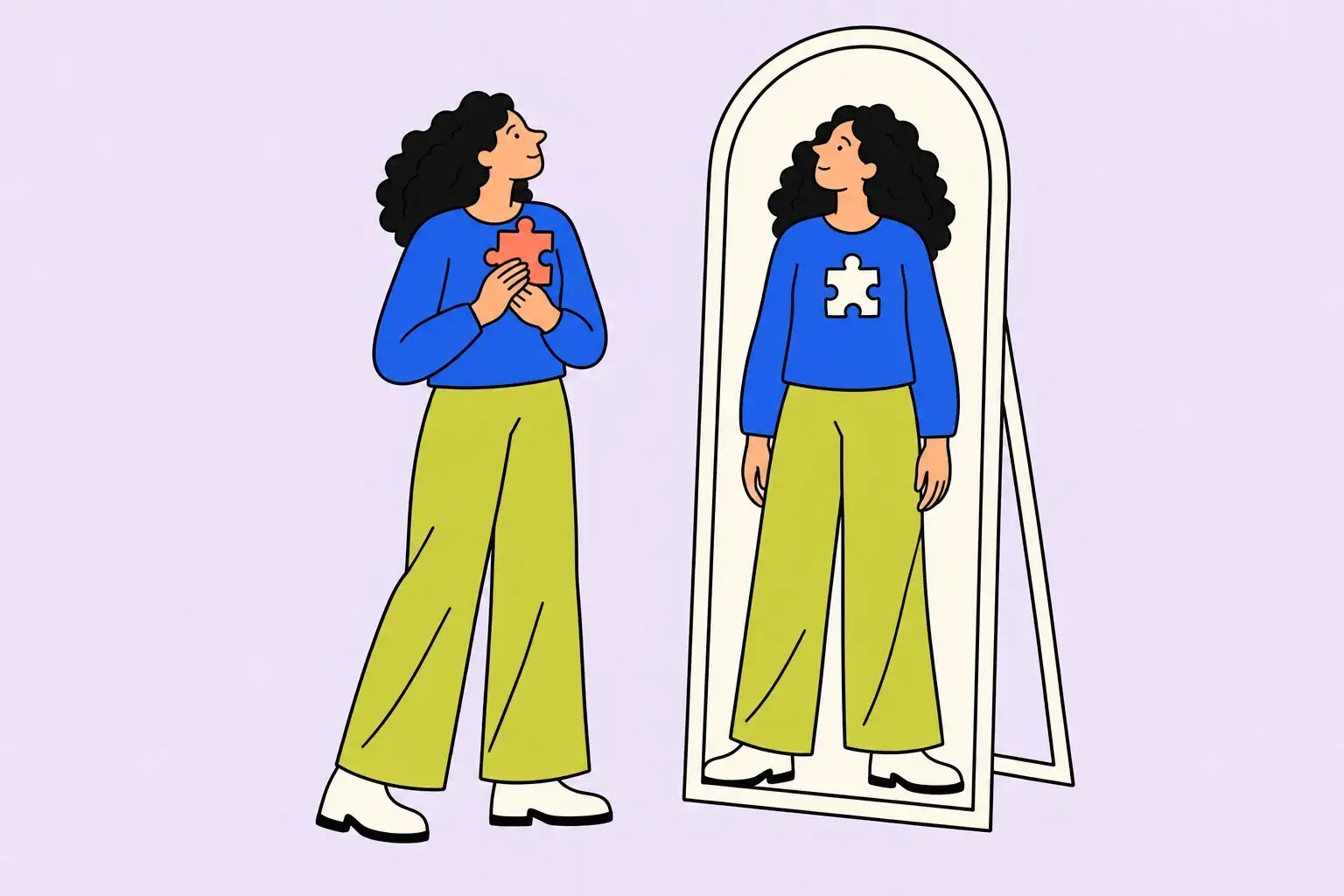
What does “identity loss after relocation” mean?
People use this phrase to describe feeling disconnected from the roles, relationships and activities through which they recognised themselves. It is a description of an experience, not a diagnosis. Moving abroad does not affect everyone in the same way.
You might miss being the colleague people turned to, the friend who organised things, or the person who could deal with everyday problems without asking for help. A move can interrupt several of those experiences at once.
Which part of your life has become harder to recognise?
- Work and competence. Your qualifications may not transfer, you may be waiting for permission to work, or your professional life may have paused.
- Language and expression. You can manage an appointment but struggle to make a joke, disagree confidently or show your personality.
- Relationships and recognition. New people meet you as someone's partner or parent without knowing the rest of your history.
- Everyday choices. Money, transport or unfamiliar systems may make you more dependent than you expected.
These are different problems. Naming the specific loss helps you choose a next step that fits it. A language class, for example, may be useful without resolving grief about leaving a valued career.
A short exercise: what do you miss about being you?
Choose one ordinary moment when the difference becomes noticeable. It might be answering “What do you do?” or looking at a weekday with nothing planned. Write a few words under these three headings.
- What I missBe specific: “Being asked for my opinion at work”, rather than “My whole old life”.
- What mattered about itPerhaps it was contribution, independence, friendship, creativity or being taken seriously.
- One way to make room for it hereLook for something achievable within your circumstances. You may need information, practical support or a conversation before you can take action.
An example, not a client account
Someone who misses leading a team may be missing both income and a sense of contribution. Joining a local project could meet part of the second need. It would not solve the first. Keeping those needs separate makes it easier to ask for the right support.
You do not have to turn every loss into a new opportunity. Some things deserve to be missed, and some arrangements genuinely need changing.
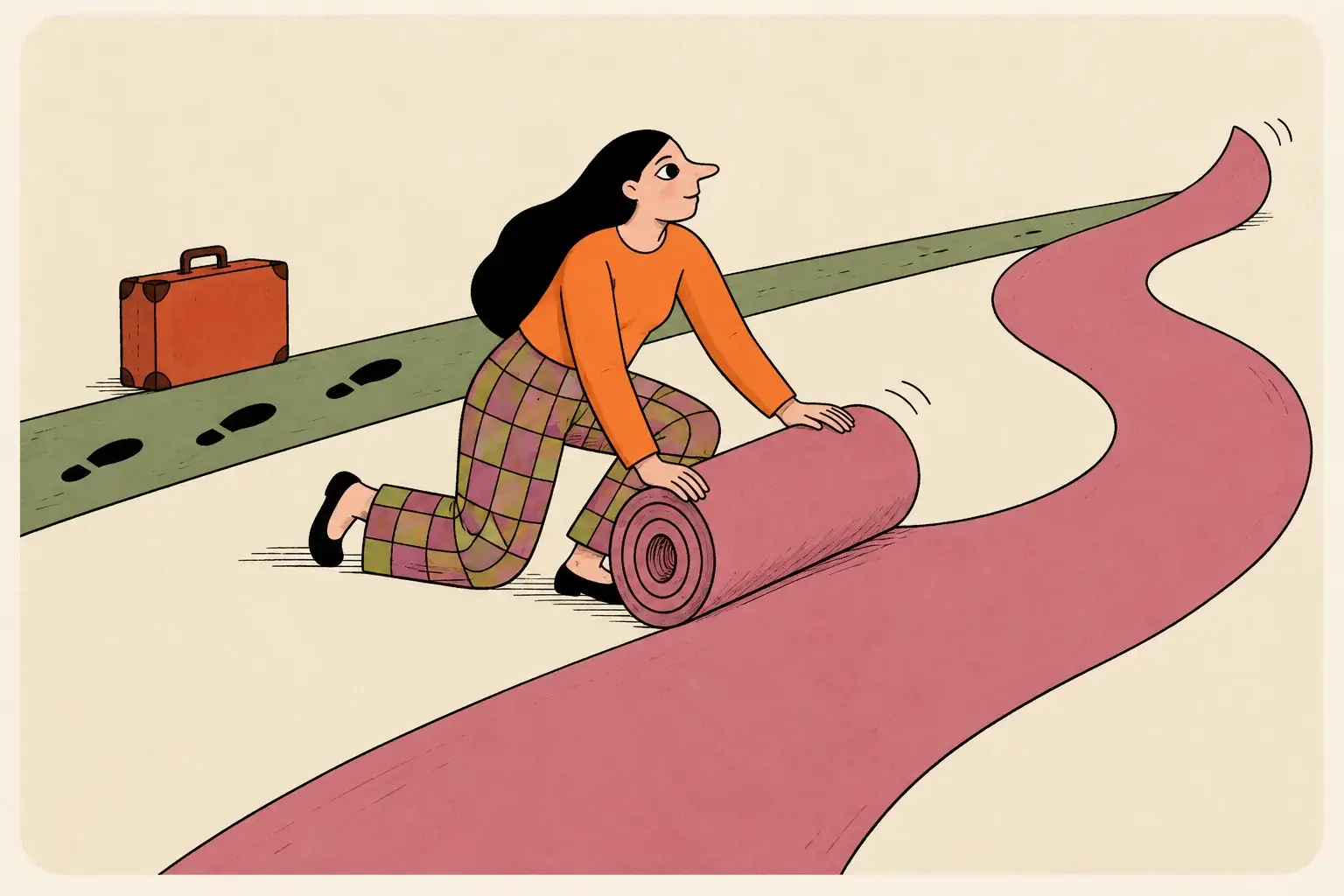
How to begin rebuilding confidence abroad
Restore one decision that belongs to you
Choose an activity, appointment or part of the week that reflects your interests. Keep the first step small enough to repeat. If childcare, money or transport makes it impossible, start with that obstacle instead of treating it as a motivation problem.
Find people through a shared interest
A repeated activity gives you something to talk about beyond being new to a country. That could be a class, professional group, sport or volunteering where permitted. You can also keep important relationships at home; settling here does not require giving them up.
The NHS includes moving to a new area among changes that can be associated with loneliness. Its guidance on loneliness offers ideas for making contact. Feeling lonely and losing confidence can overlap, but they are not interchangeable.
Separate a practical barrier from a judgement about yourself
“I am waiting for my qualifications to be recognised” is more precise than “I have nothing to offer”. Find out what is possible through relevant local professional, employment or immigration advice. Therapy can help you explore the emotional impact; it cannot change the rules governing work or residence.
Keep something familiar
A routine, language, friendship or creative practice can give continuity while other things change. You do not need a completely new personality to belong somewhere new.
When you moved for a partner
You may have agreed to the move and still feel that its costs have fallen unevenly. One person's work provides structure and colleagues. The other is expected to build a life around the household or the relationship.
Try describing the arrangement before judging either person's character: “I spend most weekdays alone and I cannot currently work. I need us to discuss money, time and what support I can access.” The answer may require practical changes as well as a more understanding conversation.
Read more about identity changes when you follow a partner abroad and resentment after relocating for a partner. If this has become a recurring argument, couples therapy offers a place to examine both experiences and the decisions you face.
When to seek support
You can ask for help before you know exactly what to call the problem. If low mood, worry or difficulty functioning is affecting daily life, discuss it with a qualified health professional. Do not assume that everything is simply an adjustment to moving.
In expat therapy, we can explore what has changed, what you want to preserve and what choices are available. Individual online sessions are £70 for 50 minutes. Location and suitability are confirmed before starting.
If writing gives you more space to explain, written counselling is £50 per week for one personal reply from me through Carepatron, on an agreed day.
If the move has left you feeling alone or doubting your worth, explore online therapy for loneliness or therapy for shame and low self-esteem. You can request a free consultation to discuss which support fits.
Questions you may have
Is an expat identity crisis a diagnosis?
No. People use terms such as expat identity crisis or identity loss to describe feeling unlike themselves after a move. These words do not establish a mental health diagnosis or explain every symptom. If you are struggling to function or are concerned about your health, seek an individual assessment.
How long does it take to feel like yourself after moving abroad?
There is no reliable deadline for an individual. Work, language, relationships, health and the circumstances of the move all matter. You do not need to wait for a set number of months before asking for support.
Can this happen even if moving was my choice?
Yes. Choosing a move does not mean every consequence will feel positive. You can value the opportunities and still miss work, people, independence or parts of everyday life.
Can I feel this way after moving back home?
Yes. Repatriation can involve further changes in relationships, roles and expectations. People sometimes call the difficulty of readjusting reverse culture shock. It is useful to look at what is different now rather than expecting your earlier life to resume unchanged.
Should I choose individual or couples therapy?
Individual therapy may suit you if you want to explore your own identity, confidence and choices. Couples therapy may be appropriate when the move has become a shared conflict and both partners want to participate. We can discuss suitability in the initial consultation.
Sources and further reading
NHS: loneliness. The exercises here are reflection prompts, not a diagnostic assessment or a substitute for individual care.