

Imagine telling a therapist that your dad always asked whether you’d eaten. In English it sounds like a question about lunch. In his kitchen, it was the closest he came to saying he’d missed you. You finish translating and find yourself wanting to stick up for him. He was warmer than he sounds.
Choose the language in which you can say what matters to you today. That might be the one you grew up with, or one you learnt later. At a first consultation, try asking what you could do together when a word in one language has no satisfying equivalent in the other.
What gets lost in a perfectly good translation?
Think of the name only your sister uses for you. A dictionary might tell me what it means. It couldn’t tell me whether you’d give anything to hear her say it again, or whether it makes you feel nine years old and furious.
I moved from Bulgaria to Britain. If you brought a Bulgarian expression into a session with me, I might recognise it immediately. That is precisely where I’d want to slow down. Knowing the expression could tempt me to skip the most useful question. When someone said it in your house, what usually happened next?
When a second language gives you room
Perhaps you can tell a therapist in English that you’re angry with your father. In the language you speak to him, even trying out the sentence feels rude. A little distance can be a kindness. It might let you finish a thought you’ve been interrupting for years.
Or perhaps you’re tired of sounding so reasonable in English. By the time you’ve chosen the verb and explained the joke, the moment when you wanted somebody beside you has passed.
In a study of 182 multilingual therapy clients, people described switching languages both to draw closer to difficult experiences and to put some distance between themselves and what hurt. I’d ask what changing language lets you do. Sometimes the answer is simply that this was the language in which it happened.
You can translate every word your father said and still want someone to hear his voice.
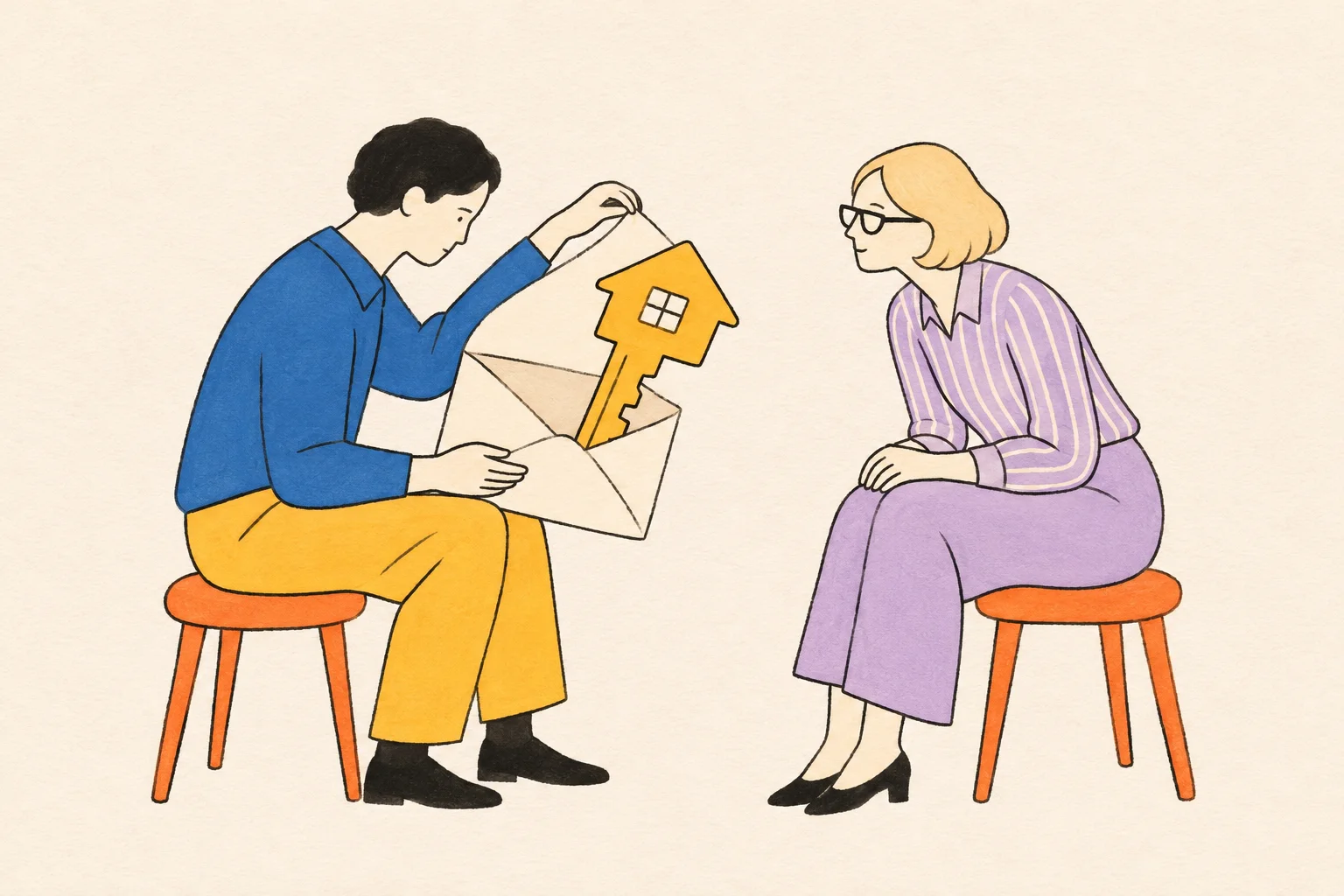
Bring one family phrase to a first session
Pick a phrase you still hear in somebody’s voice. Something ordinary will do. Tell your therapist who said it, give the rough translation, then finish this sentence in whichever language you choose:
What you’d need to know about my family to understand that is …
You might get back to that question about lunch and remember your dad already had a plate out before you answered. Now there are two of you in a kitchen. Your therapist has something more to listen to. And if the words still won’t come, you can also begin with the silence itself.
Choosing a language for therapy
What if my therapist doesn’t speak my first language?
Can I change my mind about the language I chose?
If you live in London and speak another language at home, here’s how online therapy for expats in London works.
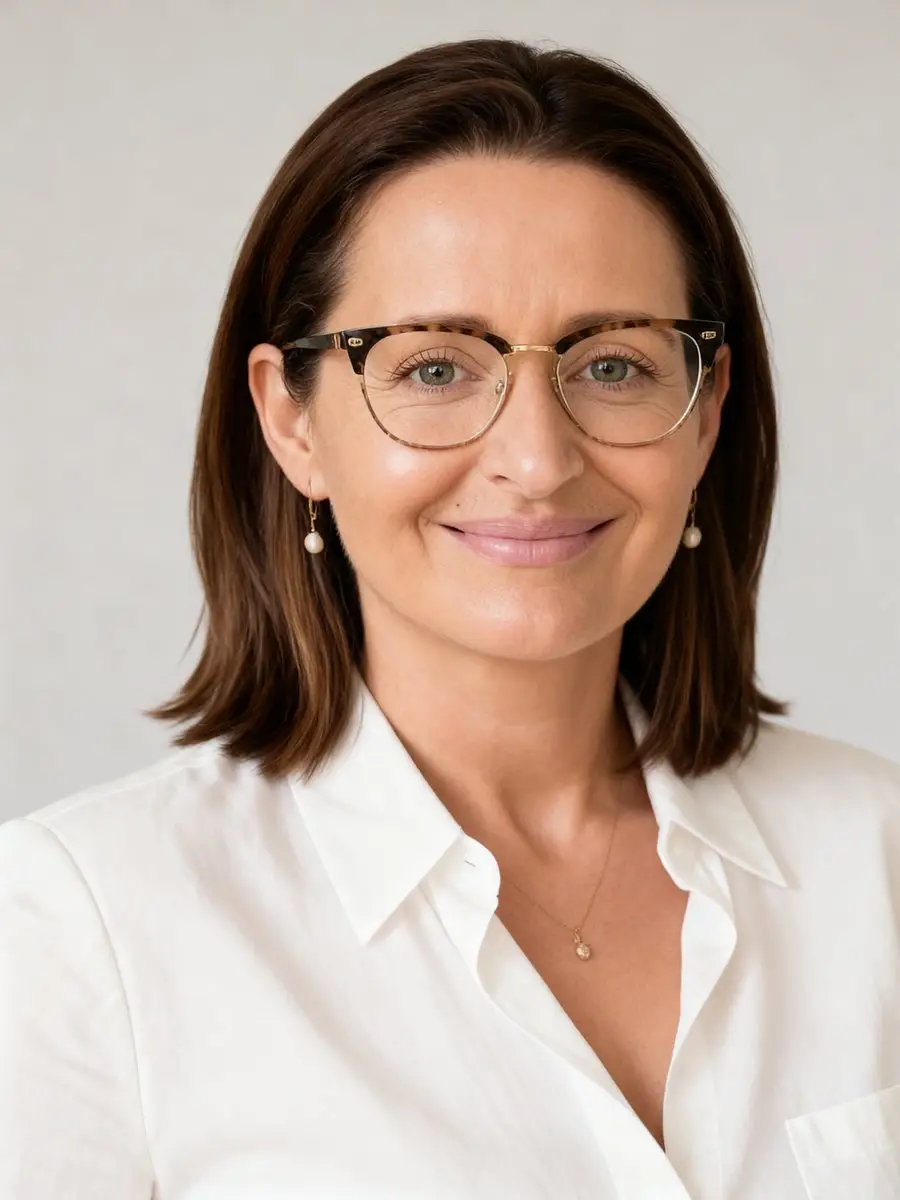
Kita Tabachka
I am Kita, a BACP-registered relational therapist. I work online with individuals and couples on the feelings, relationships and recurring patterns that have become difficult to manage alone.
More about my practice