
James counted them once, on the back of a parking ticket. Seven men at his wedding he had called his mates. In the eleven years since, he had spoken properly to two. He moved to Singapore for work, became a father, worked late. Nobody fell out. Everyone drifted. When his marriage hit trouble, he realised the only person he talked to properly was the person he was in trouble with.
Many men have few or no close friends, especially after 30, after moving abroad, becoming a father or divorcing. Male friendships often rest on a shared activity, so they fade when the activity stops. Loneliness affects mood, health and marriages. Friendship rebuilds through regular, repeated contact around something you do together.
For practical steps alongside this article, see the NHS guidance on loneliness, including keeping in touch, joining groups and sharing how you feel.
If you would like support with the disconnection described here, read about online therapy for loneliness with Kita.
01How men lose friends
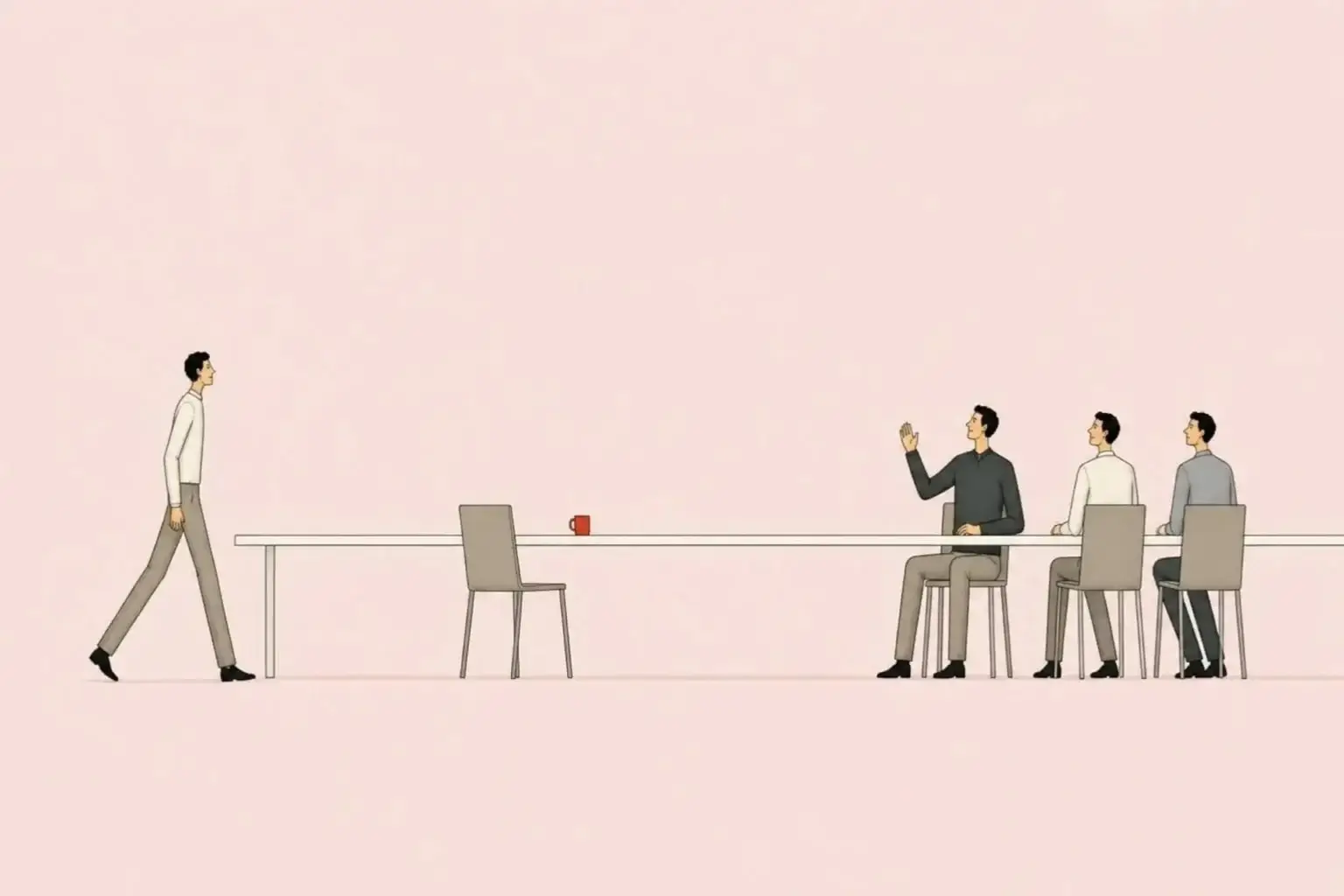
Men’s friendships often form side by side: the team, the band, the office, the pub. Side-by-side friendship works well, until the side-by-side ends.
Work moves you. Children eat your weekends. Your partner becomes your only confidant. Ten years on, you have contacts, colleagues and a group chat about football. You have nobody to call at 2am.
02What it costs
Long-term loneliness affects health as well as mood, and lonely men are slower to ask for help when something goes wrong.
Nobody fell out. Everyone drifted.
Kita Tabachka, relational therapist
03Is it normal?
It is common. Common is not the same as fine. Embarrassment about having no friends keeps men from fixing it, because reaching out means admitting the gap.
Expat men feel this sharply. Old friends live in another time zone, colleagues rotate every two years, and your wife’s social circle becomes yours by default.
04How to make friends as a man
Adult friendship runs on repetition. One study estimated around fifty hours together to move from acquaintance to casual friend, and far more for a close one.
Pick one weekly thing and keep going. Five-a-side, a running club, a climbing wall, a choir, a Men’s Shed. Go back every week, especially when you feel awkward.
Contact one old friend with a specific plan. Not “we should catch up”, but “I’m in Manchester on the 14th. Pint at seven?”
Say one true thing. Friendship deepens when one man goes first: “Things have been rough at home.”
James joined a Sunday cycling group. Three months in, one of the riders asked how the marriage was going. James told him. They have had a coffee after every ride since. Expat therapy and therapy for men both cover loneliness, and coping with separation as a dad is for the men whose drift began with a split.
If you feel you have nobody and life feels pointless, please speak to your GP or call Samaritans free on 116 123 in the UK, day or night. Abroad, contact local emergency services.
Online sessions for men and couples, wherever you live
I work in English with men on their own and with couples, including partners living in two countries. See how sessions run in your city, or read about online couples therapy and therapy for men.
More from the journal

Weekly written counselling with Kita
When writing feels easier than speaking.
You can enquire about weekly written counselling for your own experience of relationships and life abroad. We agree whether this format is a useful fit before you pay.
Explore written counselling£50 per week. One personal written reply through Carepatron. Suitability, your weekly reply day and terms agreed before payment.

Kita Tabachka
I am a BACP-registered relational therapist. I work with individuals and couples, many of them living far from where they began, on relationship anxiety, attachment, intimacy and the strange business of building a self in a new country. The stories here are composites. The patterns are real. My writing is a door into the work, never a substitute for it.
More about my practiceQuestions people ask
This article is written by Kita Tabachka, MBACP, and is for general education and reflection. It describes patterns seen in clinical work, but it is not therapy, and it is not a substitute for individual advice from a qualified therapist, doctor or other professional who knows your situation.
Reading it cannot diagnose anything or replace your own judgement about what you need. If something here resonates and you would like support, you are welcome to learn more about my practice or book a free consultation. If you are in crisis or immediate danger, please contact local emergency services or an urgent mental health line in your country.
Join the conversation
If you have lived this, say so. Your words may be the thing a stranger at midnight needed to read.