Relationships · A practical guide
Attachment styles in relationships: what the labels can tell you
Attachment language can help you describe how you respond to closeness, uncertainty and depending on someone. It becomes less useful when every disagreement turns into a diagnosis of your partner. Start with the behaviour you can describe and the relationship you are actually in.
Start with the guide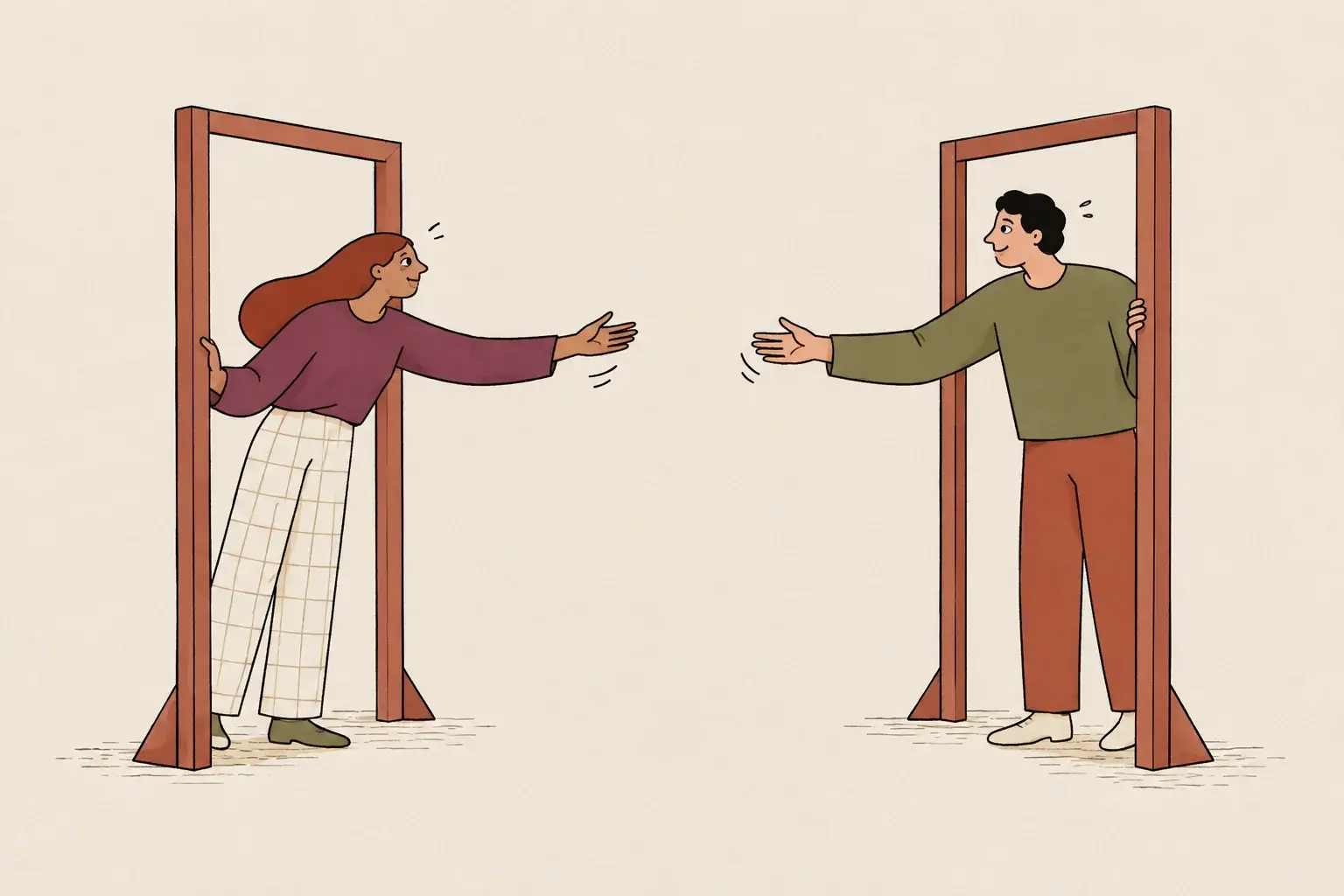
What are attachment styles?
Adult attachment research examines patterns in close relationships. Researchers often measure two dimensions: anxiety about a partner’s availability and avoidance of closeness or dependence. Familiar style labels summarise combinations of these dimensions. They are not psychiatric diagnoses. R. Chris Fraley’s research overview explains this distinction.
Secure
Relatively comfortable with closeness and reliance on others, with less worry about rejection.
Anxious or preoccupied
Greater concern about rejection or a partner’s availability, alongside a wish for closeness.
Dismissive or avoidant
Greater discomfort with dependence or closeness, with more emphasis on self-reliance.
Fearful-avoidant
Both wanting connection and feeling uncomfortable or threatened by it. Popular accounts sometimes use “disorganised” interchangeably, although attachment research uses different measures and contexts.
Before you label someone, ask about the situation
“They did not answer for three hours” describes an event. “They are avoidant” adds an explanation that may or may not fit. Work, illness, sensory overload, a disagreement or an agreed limit on phone use could also matter.
Similarly, asking for reliability after a broken agreement is not automatically anxious attachment. Look at whether an expectation was discussed, what happened and how the other person responds when you raise it.
Make the concern specific
Instead of “Your attachment style ruins everything”, you might say: “We agreed to return to the conversation on Sunday. That did not happen. Can we decide when we will talk, and what we need to make that possible?”
This keeps the focus on an agreement both people can understand. It does not require either of you to accept a personality label.
When one person wants contact and the other wants space
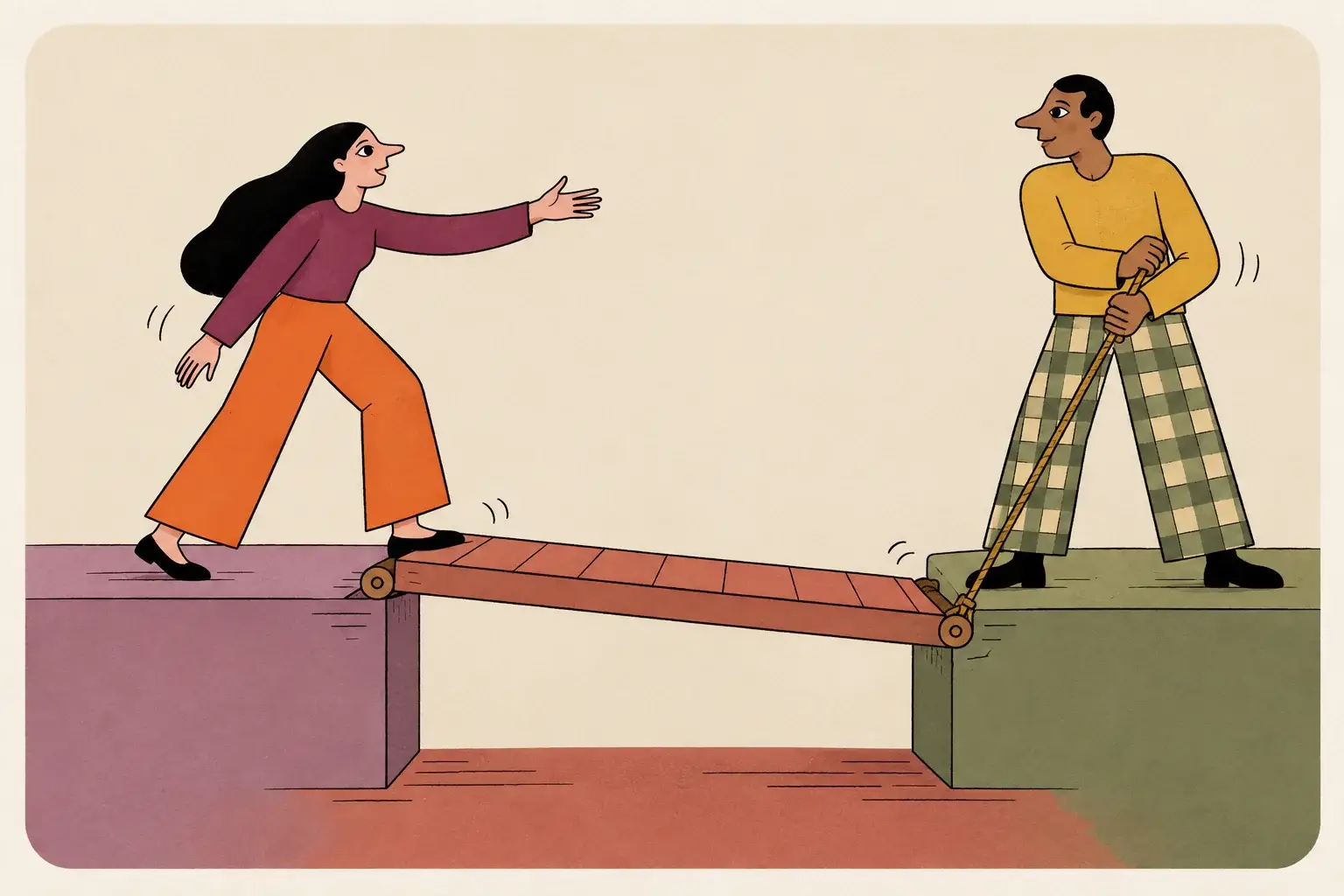
Begin by asking what each person means. Contact might mean a brief acknowledgement, an hour together or a decision about the future. Space might mean an evening alone, time to think or avoiding a subject indefinitely. These are different requests.
- Name the request.What would the other person actually see you do?
- Check what is possible.What fits both people’s work, sleep, energy and responsibilities?
- Agree what happens next.If you pause a conversation, decide when and how to return to it.
These prompts are for relationships where both people can disagree safely. Attachment language must not excuse threats, surveillance, coercion or repeated breaches of consent.
How we can use this in therapy
In individual therapy, we can explore a recent moment when closeness or uncertainty became difficult. I may ask what you expected, what you did and how the response affected you. Earlier experiences can be part of that conversation, alongside present-day circumstances.
In couples therapy, we can examine an exchange together and practise a clearer request or response. The aim is to agree useful changes, rather than decide which partner has the “correct” style.
If repeated hurt is central, see therapy for attachment difficulties. If the main problem is recurring analysis and doubt, start with relationship anxiety therapy.
Questions you may have
Is an attachment style a diagnosis?
No. Adult attachment styles describe research concepts about closeness and reliance on others. They are not psychiatric diagnoses and cannot establish what caused a particular argument.
Can I identify my partner’s attachment style from their texts?
A few messages cannot establish a reliable picture of a person or relationship. Discuss the specific behaviour and your expectations instead of treating an online description as an assessment.
Should I leave because our attachment styles seem incompatible?
A label cannot decide that. Consider how you are treated, whether you can disagree safely, and whether both people take responsibility for agreed changes. Therapy can support your thinking without making the decision for you.