
Daniel moved into a two-bedroom flat in Bristol the week his divorce came through. The children stayed with him every other weekend. On the Sundays they left, he sat on the second bed among their pyjamas and listened to the fridge hum. He had wanted the marriage to end. Nobody had warned him about the Sunday nights.
Loneliness after a divorce or breakup is common and usually strongest in the first year. You lose a partner, a routine, shared friends and often a version of your future. It helps to plan the hardest hours, rebuild one friendship at a time, grieve what ended even if you chose it, and avoid filling the gap with a rushed new relationship. If loneliness keeps you stuck for months, therapy helps.
If you would like individual support with what the ending has brought up, read about online breakup counselling with Kita.
01Why divorce leaves you so lonely
A divorce removes far more than one person. It removes the person who knew your day, the friends who came as a couple, the in-laws, the shared jokes and the plan for retirement. Researchers who study life events place divorce near the top of the list for stress, beside bereavement.
Loneliness also arrives when you chose to leave. Relief and grief sit side by side. Daniel felt guilty for missing a marriage he ended, so he told nobody, and the secrecy doubled the loneliness.
02The loneliest moments, and how to plan for them
03What helps in the first year
Grieve the marriage, even if you ended it. Grief does not ask permission. Give it a time and a place: a walk on Saturday mornings, a page in a journal.
Rebuild one friendship at a time. Contact one old friend a week. Many friends step back after a divorce because they do not know what to say. A short message solves this: “I’d love a pint. I’m doing all right, mostly.”
Make the new home yours. Daniel painted the children’s room with them and bought a second-hand piano he had wanted for fifteen years. The flat started to feel like his life, not the leftover of a marriage.
Wait before a new relationship. A new partner in the first months often fills the loneliness without healing it. Many people repeat the old pattern within a year. Give yourself time to know who you are on your own.
Keep the children out of the middle. If you share children, loneliness grows when every handover turns into a battle. Co-parenting support and mediation help parents agree the practical parts and protect the children from the conflict.
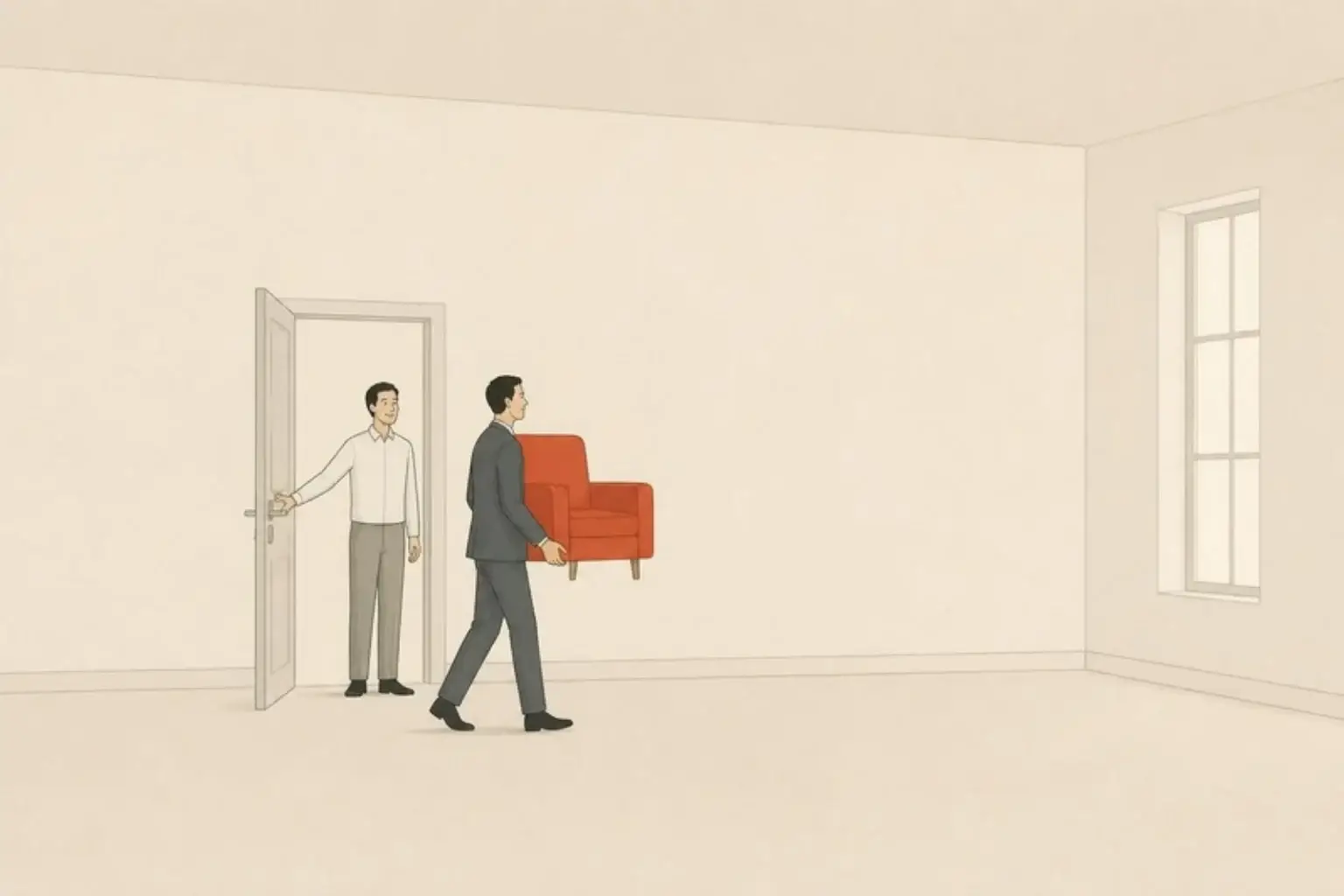
Some loneliness after a divorce is the sound of a new life without furniture yet.
Kita Tabachka, relational therapist
04When to get support
Seek help if loneliness after the separation lasts beyond a few months, if you drink more to get through evenings, or if low mood stops you working or sleeping. In individual therapy we work through the grief and the anger, and look at what you want from the next chapter. For men, coping with separation as a dad and getting over a breakup as a man go further. If you live abroad, separation therapy for expats covers the extra layers of visas, distance and family far away.
If you have thoughts of ending your life, please speak to someone today. In the UK, call Samaritans free on 116 123, day or night, or call 999 in an emergency. Abroad, contact local emergency services.
More from the journal
Weekly written counselling with Kita
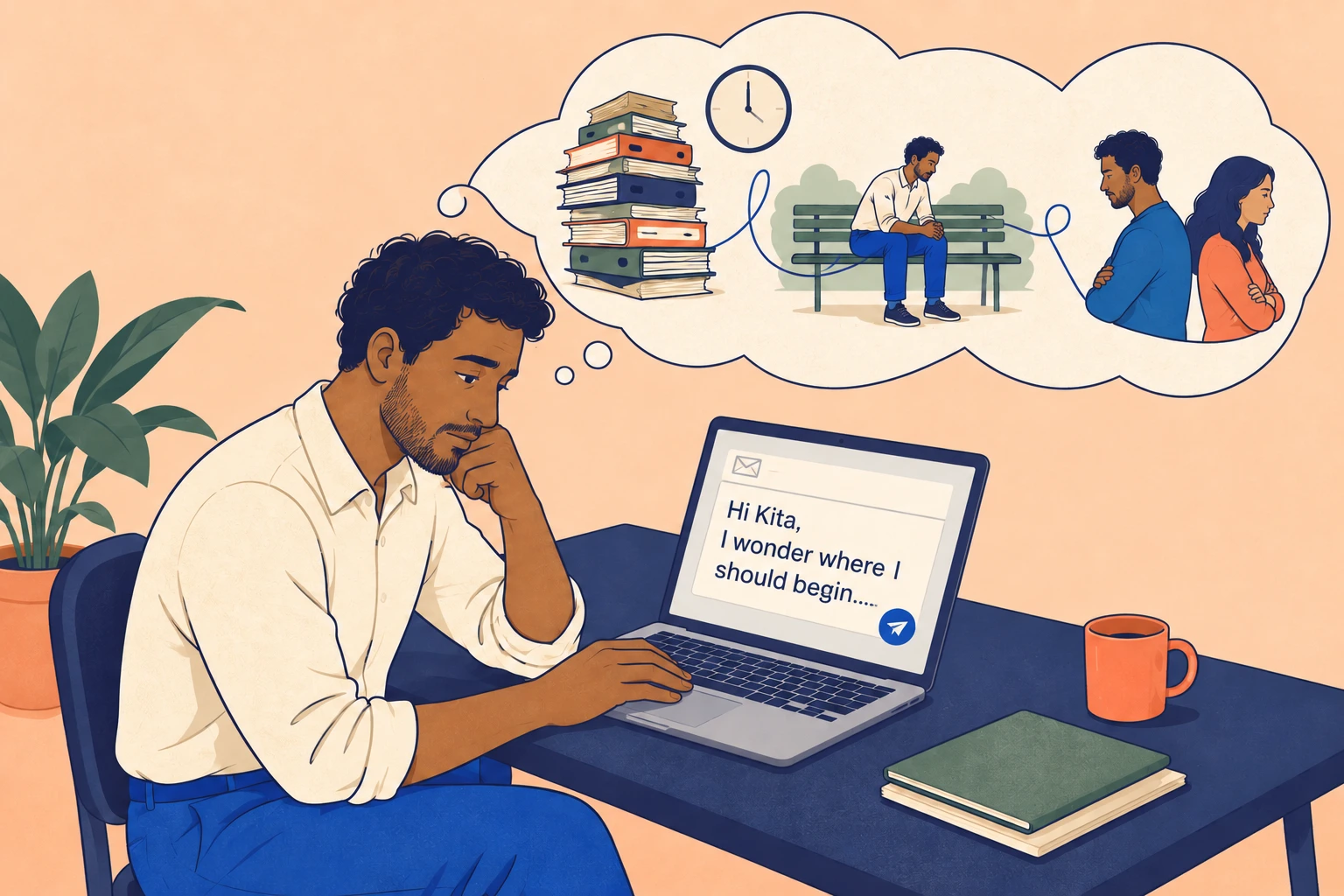
When writing feels easier than speaking.
You can enquire about weekly written counselling for your own experience of relationships and life abroad. We agree whether this format is a useful fit before you pay.
Explore written counselling£50 per week. One personal written reply through Carepatron. Suitability, your weekly reply day and terms agreed before payment.

Kita Tabachka
I am a BACP-registered relational therapist. I work with individuals and couples, many of them living far from where they began, on relationship anxiety, attachment, intimacy and the strange business of building a self in a new country. The stories here are composites. The patterns are real. My writing is a door into the work, never a substitute for it.
More about my practiceQuestions people ask
This article is written by Kita Tabachka, MBACP, and is for general education and reflection. It describes patterns seen in clinical work, but it is not therapy, and it is not a substitute for individual advice from a qualified therapist, doctor or other professional who knows your situation.
Reading it cannot diagnose anything or replace your own judgement about what you need. If something here resonates and you would like support, you are welcome to learn more about my practice or book a free consultation. If you are in crisis or immediate danger, please contact local emergency services or an urgent mental health line in your country.
Join the conversation
If you have lived this, say so. Your words may be the thing a stranger at midnight needed to read.