
Every other Sunday at five, Pete drives his daughter back to her mum’s. He holds it together at the door. He manages the first mile. Then he pulls into a lay-by and sits there. Back at the flat, her drawing is still on the fridge and her cereal bowl is still in the sink, and he does not wash it until Tuesday.
Coping with separation as a dad means grieving the daily life you lost, building a steady routine for the days without your children, keeping handovers calm and short, and never putting the children in the middle. Separated fathers carry a high risk of depression, so talking to someone is part of coping, not a sign it has failed.
01The empty weekend
Nobody warns you about the quiet. The house which was full of noise on Saturday is silent on Tuesday. Many dads fill it with work, drink or the sofa. What helps more is structure: one plan for each empty evening, one person to see, one thing which is only yours.
02Handovers
Children forgive a separation. They do not forget being carried in the middle of it.
Kita Tabachka, relational therapist
03Staying their dad
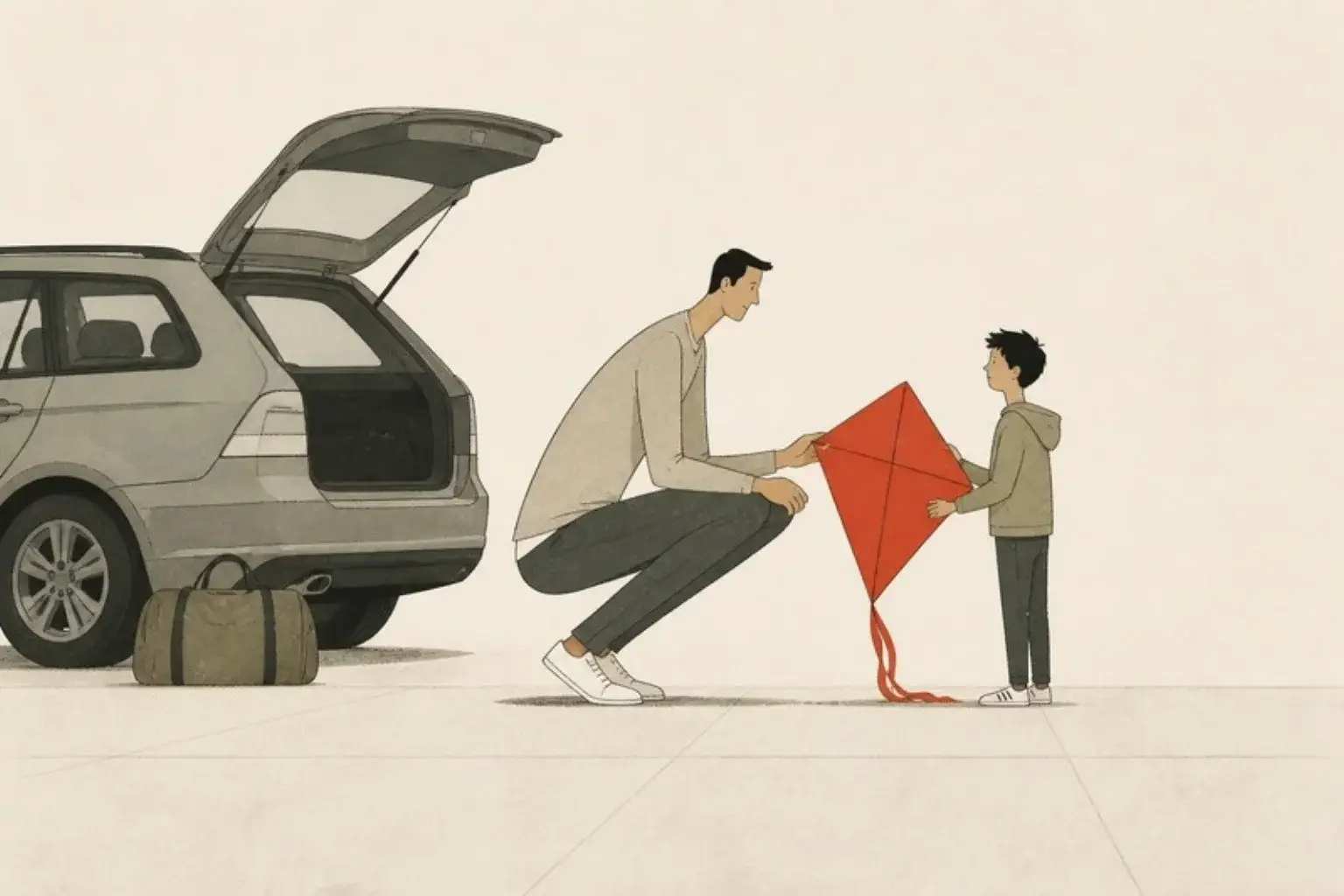
Your children need to see you steady, turning up, and speaking about their mum without bitterness. Bitterness is hard to hide when you are hurt, which is why dads need somewhere to put the hurt other than the handover.
I work with separated fathers individually, and I also offer co-parenting mediation for parents after divorce, so arrangements get agreed without the children in the middle. Pete started sessions in the third month. By the sixth, he had a Sunday evening football team and washed the cereal bowl on Sunday night. Should I leave my marriage covers the decision before this one.
Men going through separation carry a much higher risk of suicide than married men. If you have thoughts of ending your life, call Samaritans on 116 123 (UK, free, any hour), or CALM on 0800 58 58 58. Outside the UK, contact local emergency services or a crisis line in your country.
More for men, from the journal

Weekly written counselling with Kita
When writing feels easier than speaking.
You can enquire about weekly written counselling for your own experience of relationships and life abroad. We agree whether this format is a useful fit before you pay.
Explore written counselling£50 per week. One personal written reply through Carepatron. Suitability, your weekly reply day and terms agreed before payment.

Kita Tabachka
I am a BACP-registered relational therapist. I work with individuals and couples, many of them living far from where they began, on relationship anxiety, attachment, intimacy and the strange business of building a self in a new country. The stories here are composites. The patterns are real. My writing is a door into the work, never a substitute for it.
More about my practiceQuestions men ask me
This article is written by Kita Tabachka, MBACP, and is for general education and reflection. It describes patterns seen in clinical work, but it is not therapy, and it is not a substitute for individual advice from a qualified therapist, doctor or other professional who knows your situation.
Reading it cannot diagnose anything or replace your own judgement about what you need. If something here resonates and you would like support, you are welcome to learn more about my practice or book a free consultation. If you are in crisis or immediate danger, please contact local emergency services or an urgent mental health line in your country.
Join the conversation
If you have lived this, say so. Your words may be the thing a stranger at midnight needed to read.