Online therapy in English
Therapy for attachment difficulties and the effects of past hurt
Trusting someone, asking for help or disagreeing can feel difficult after experiences of hurt or unpredictability. I offer individual online therapy to explore these concerns at a pace we agree together. We consider earlier experiences alongside what is happening in your life now.
Book a free consultation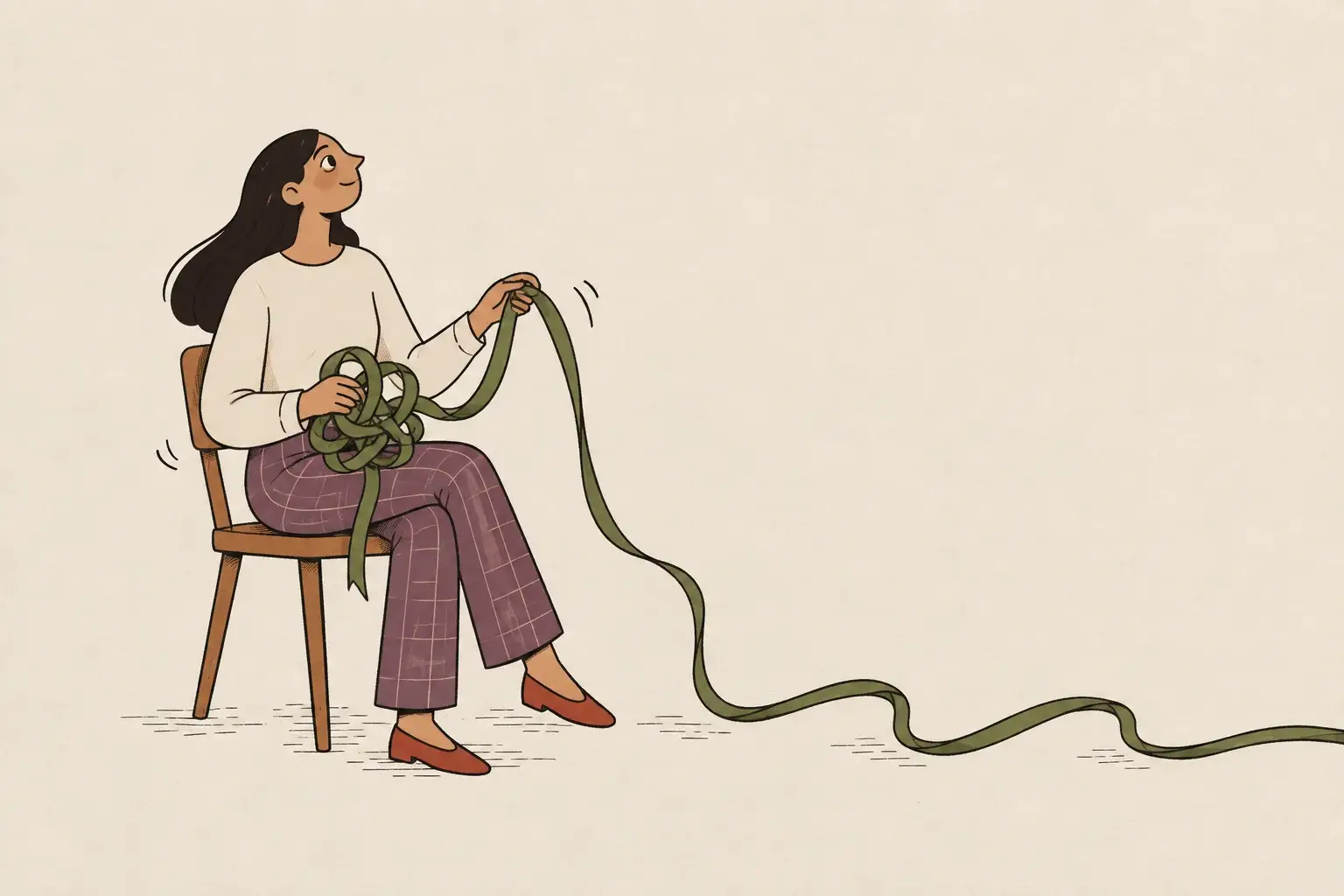
What might bring you here?
You may find yourself expecting rejection, withdrawing before someone can disappoint you or agreeing to things you later resent. Perhaps a particular relationship leaves you feeling watchful or unsure of yourself.
These experiences can have different explanations. They do not, on their own, establish trauma, an attachment style or a diagnosis. We can start with a recent situation and ask what else needs to be understood.
I find it hard to rely on anyone
We can explore what asking for help means to you, who has been reliable and what a manageable request might look like now.
I expect people to leave
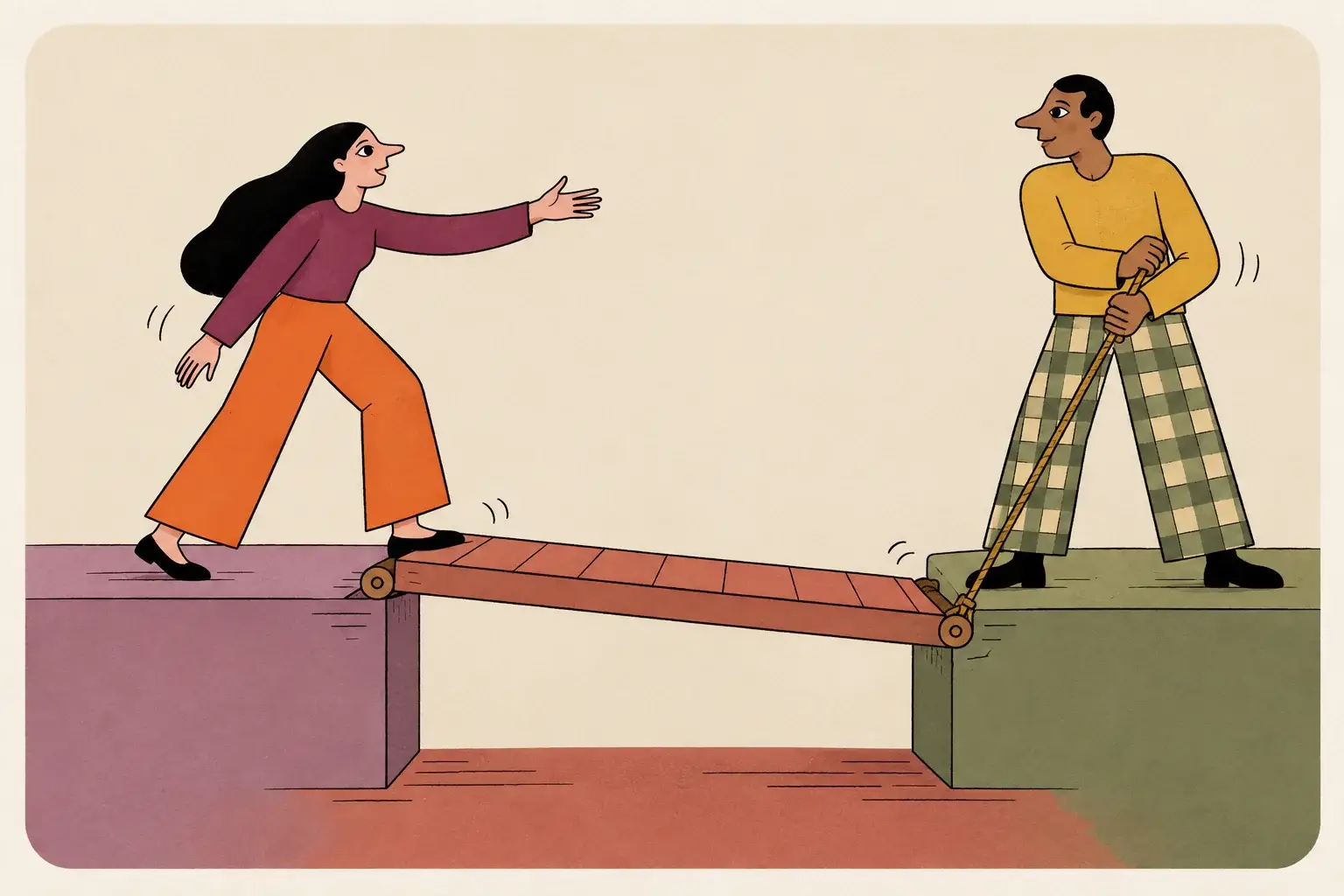
We can look at the moments that bring this fear up, how you respond and the evidence available in the current relationship. We will not dismiss a real breach of trust as an old fear.
I lose my words when conflict starts
We can discuss pacing, pauses and ways to communicate what you need. Going quiet has more than one possible explanation. I will ask about your experience rather than assign one.
How we would approach the work
The first task is to understand what you want help with and what makes talking possible. You can tell me which subjects feel manageable and where you need to stop. You do not have to describe distressing events in detail to justify seeking support.
We may notice how a familiar response shows up in a current relationship, consider the circumstances in which it developed and explore alternatives. We can also work on a present-day boundary or decision without first explaining your whole childhood.
I will check how the pace feels. You can ask what an exercise is for, decline it or tell me that an interpretation does not fit. We review the work together rather than assume that discussing difficult material is always helpful.
Attachment difficulties, trauma and PTSD are different terms
“Attachment wounds” is a phrase people use for hurt in important relationships. It is not, by itself, a diagnosis. Attachment styles describe another set of ideas about closeness and reliance on others.
Post-traumatic stress disorder is a clinical condition that needs appropriate assessment. The NHS overview of PTSD describes symptoms such as re-experiencing, avoidance and feeling on alert, and treatments including trauma-focused CBT and EMDR. Having a painful history does not establish a PTSD diagnosis.
This page describes relational therapy. It does not offer EMDR or a specialist PTSD treatment programme. If that is what you need, we can discuss the limits of my service and how to look for appropriate specialist care.
When you are dealing with this away from home
Living abroad may affect who you can turn to, how easily you can access care and how much you rely on a partner. We can include those circumstances in the work. A change of country should not be used to explain away everything you are feeling.
If isolation or a change in identity is central, see therapy for expats. If someone is currently harming, threatening or controlling you, safety and specialist support come first. You do not need to reinterpret current harm as a reaction to the past.
Fees and a first conversation
I am Kita Tabachka, a BACP-registered therapist based in the UK. Read about my background and check my registration.
Individual sessions cost £70 for 50 minutes. The free 15–20 minute consultation lets us discuss your concern and whether this work is suitable before you book therapy. See fees and process.
For clients outside the UK, we check your physical location and whether online work is appropriate. Read the international suitability guide. This practice does not provide emergency care.
Questions you may have
Do I have to describe everything that happened?
No. We first discuss what you need and the pace that feels manageable. You can ask to pause or choose not to discuss a particular detail.
Does difficulty trusting mean I have trauma?
No. Difficulty trusting has more than one possible explanation. It needs to be understood in context, including the behaviour of people in your life now.
Do you offer EMDR or specialist PTSD treatment?
This service is relational therapy. It is not advertised as EMDR or a specialist PTSD programme. If a specialist assessment or treatment is needed, we discuss that instead of assuming this service is sufficient.