Loneliness · A practical short read
Loneliness at night: what can help this evening?
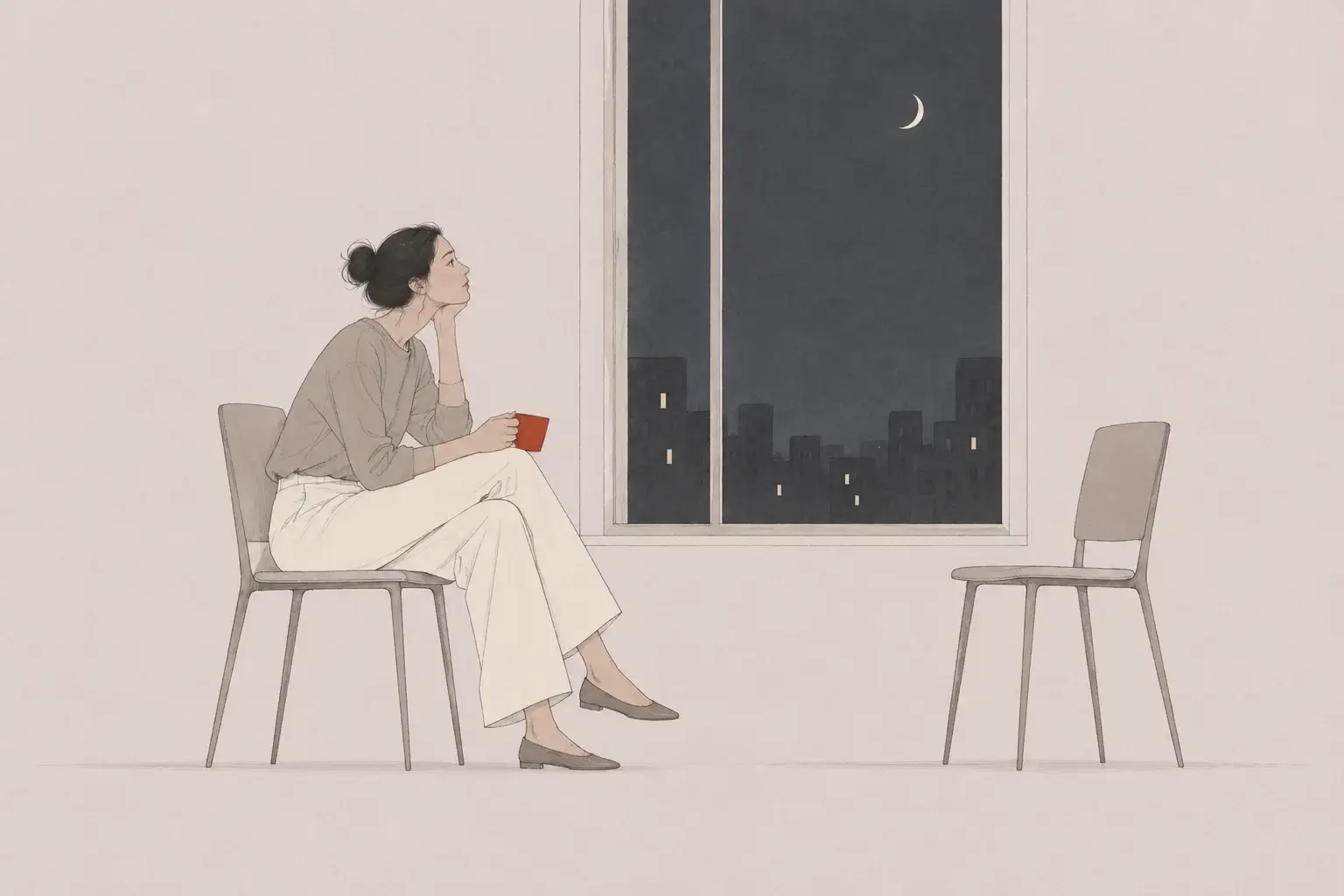
Loneliness at night can feel especially sharp when the day goes quiet. You may have spoken to people all day and still miss being known, wanted or included. Start by noticing the kind of connection you are missing, then choose one manageable step.
Why do I feel lonely at night?
The evening can leave more room to notice an absence: no familiar voice, no shared meal, nobody asking how the day really went. A busy daytime routine may have kept that feeling in the background.
This is one possible explanation, not a diagnosis. The NHS describes different experiences of loneliness, including missing emotional closeness and missing a wider social circle. Being alone and feeling lonely are not always the same thing. [1]
What kind of connection are you missing?
Try making the feeling more specific. Do you miss a particular person? Someone to spend ordinary time with? A place where you do not have to explain yourself?
The answer changes the next step. An activity group may help you meet people, while grief or the loss of a relationship may need space to be spoken about. If a separation is part of this, read feeling lonely after divorce or a breakup.
Try it here · No score, no sign-up
Choose one small step for this evening
Choose the closest fit. These are optional reflection prompts, not a test. Your choices stay in this exercise and are not submitted or saved.
I miss one person
- Name what you miss: their company, familiarity or feeling understood. You do not need to contact someone who has asked for space.
- Choose a safe source of support for tonight. It could be a trusted friend, a familiar activity or an appropriate support service.
- Make room tomorrow for the loss itself. A conversation, journalling or professional support may fit better than another hour of scrolling.
I need everyday company
- Choose one ordinary activity you would like to share: a walk, lunch or a short call.
- Think of one person you could invite, or one regular group you could explore. Keep the first step small.
- Make a specific plan for when to reach out. You can ask without knowing in advance whether the answer will be yes.
I feel unseen around people
- Notice one thing you usually keep to yourself. You do not have to disclose it here or share more than feels right.
- Choose someone who has shown care and respect. Consider a small honest sentence about how you have been feeling.
- If this pattern keeps repeating, think about discussing it in therapy. Having company does not automatically meet a need for emotional closeness.
What can help with loneliness tonight?
Choose one small act of connection, without making this evening a test of whether people care. You could suggest a call tomorrow, listen to a familiar radio programme or make a simple plan to spend time with someone you trust.
A message you can adapt
I have been feeling a bit disconnected lately. Would you have time for a short catch-up this week?
A slow reply is not a reliable measure of your worth. If nobody is available tonight, a plan for tomorrow can still matter. You do not have to solve your whole social life before bed.
Loneliness and late-night scrolling
Notice how you feel after a few minutes online. Has the contact helped, or are you comparing your private evening with other people's selected highlights? The NHS advises being cautious about these comparisons. [1]
You might choose a purposeful message or a genuine conversation, then put the feed aside. If being around people still leaves you feeling distant, explore why you can feel lonely even around others.
When to consider therapy for loneliness
If loneliness keeps returning, therapy can offer a place to explore what makes connection difficult, including shame, loss or fear of rejection. You do not need to wait until you have stopped coping.
Online therapy for loneliness offers individual support. If living abroad is part of the picture, expat therapy may be relevant. Persistent low mood or difficulty functioning also deserves support from a GP or qualified mental health professional.
Watch and listen · 40 seconds
A small plan for a lonely evening
Spoken guidance with on-screen captions and a transcript. Narration uses an AI voice. Press play to listen.
Read the video transcript
Loneliness can feel sharper when the day goes quiet. You may have been busy, yet still miss feeling close to someone.
Ask yourself what is missing tonight. Is it everyday company, feeling understood, or a particular person?
If it feels right, choose someone you trust and make a small, specific invitation. Could we have a short catch-up this week?
If they cannot reply tonight, that does not define your worth. Choose something manageable for this evening, and leave room for tomorrow.
If loneliness keeps returning, you can explore the pattern in therapy. Read the guide below for practical steps and support options.
Questions you may be asking
Why do I feel lonely at night even after a busy day?
A busy day can include plenty of contact without the closeness you need. When things quieten down, that gap may become more noticeable. The reason is personal, so consider whether you miss company, emotional understanding or a particular person.
What can I do when I feel lonely and nobody is available?
Try a manageable activity for this evening and make one specific plan for future contact. If you need support urgently or cannot keep yourself safe, use an urgent support service rather than waiting for a friend or a therapy enquiry reply.
Can online therapy help with loneliness?
Online therapy can provide space to explore relationship patterns, loss, shame and barriers to connection. It cannot replace a wider support network or guarantee an outcome. Suitability is discussed before starting.
Sources and further reading
- NHS Every Mind Matters: dealing with loneliness. Background on different experiences of loneliness, connection and social comparison.
Sources checked 8 October 2026. Examples and reflection prompts are original. This article offers general information, not an individual assessment or emergency support.
If you cannot keep yourself safe, seek urgent help. In the UK, use the NHS urgent mental health support guide. Elsewhere, use your local emergency or crisis service.