Online therapy for men
Some things are difficult to say, even to yourself.
Perhaps you can explain a difficult decision at work, but go quiet when your partner asks how you are. I offer counselling for men dealing with anxiety, anger, low self-esteem and relationship difficulties, including the pressures of living abroad.
- BACP directory profile
- Individual sessions: £70 for 50 minutes
- Free consultation: 15 to 20 minutes
- Online in English
When “I'm fine” leaves too much out
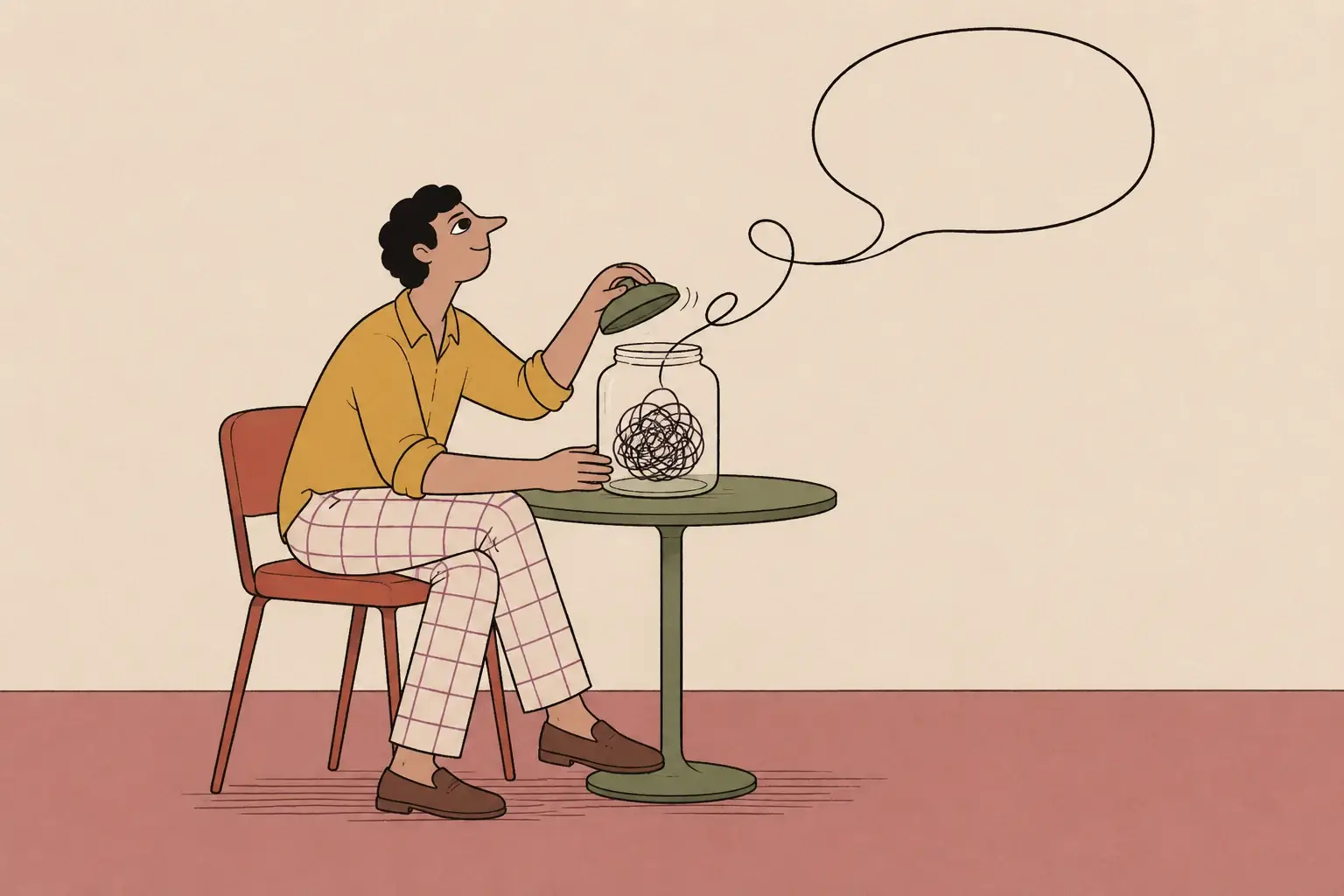
You may still be getting through the day. The work gets done, messages get answered, and you can usually find a joke when the conversation comes too close. Then someone asks a small question and you hear yourself snapping. Or you say nothing, because explaining feels harder than leaving it alone.
There is no single way to be a man in difficulty. You might be anxious rather than angry, lonely rather than overworked, or unsure why a life you chose no longer feels like yours. Therapy gives us time to pay attention to your particular experience, without asking you to fit a story about how men are supposed to feel.
I am Kita Tabachka, a BACP registered therapist. My work includes men living in the UK and abroad, and men trying to make sense of painful or abusive relationships. You can read more about me and how I work before deciding whether to get in touch.
What you might want help with
- Anxiety that keeps you rehearsing conversations or expecting something to go wrong.
- Anger, irritability or shutting down in conversations that matter.
- Self-doubt that returns however much you achieve.
- Work pressure, exhaustion and difficulty switching off.
- Arguments, separation, betrayal or uncertainty about a relationship.
- Loneliness, loss of direction or feeling unfamiliar to yourself after moving abroad.
- The effects of being controlled, frightened or hurt by a partner.
You do not need to identify the right category before we speak. We can start with what has been difficult lately.
Perhaps one of these feels familiar
These are examples, not client quotations. Turn a card to read how we might approach it.
I keep reacting in ways I regret.
We can examine a recent moment closely: what happened, what you noticed, what you did next and its effect. Understanding a reaction gives us somewhere to work. It does not remove responsibility for changing behaviour that hurts someone.
I was hurt in that relationship. I still find it hard to say.
You can talk about what happened without having to minimise it because you are a man. We work at a pace you can manage, including the effect on trust, confidence and your sense of safety.
I have people around me, but nobody I can really talk to.
We can look at the relationships you have, what makes honesty difficult and the kind of connection you miss. If you live abroad, that may include the friendships and familiar parts of yourself you left behind.
What feels hardest to put into words?
You do not have to explain everything at once. Choose what feels closest today and try a question that might help you begin.
What have you been carrying on your own lately?
You might think of a recent moment when you wanted to say more and stopped yourself. What would you have liked the other person to understand?
See how a first conversation worksUnderstanding anger, without excusing harm
If anger is affecting your relationships, we need to look at what you do as well as what you feel. We might begin with noticing tension earlier, finding a way to pause a conversation, or returning to it without repeating the same argument. We can also explore the pressures, expectations and experiences that matter in your case.
Anger has different causes. Counselling and structured anger-management programmes can both have a role; one is not simply a weaker version of the other. The NHS guide to anger explains the options. We will discuss what fits your needs, including specialist help where appropriate.
For men living abroad
A move can give you more opportunity and fewer people to be ordinary with. You may have colleagues for lunch, friends for a night out, and nobody you would ring to say you are struggling. Calls home can become an edited account: the weather, the job, the next visit. After a while it takes effort to explain what has been left out.
Perhaps your job brought you abroad and now too much depends on keeping it. Perhaps you moved for your partner and are tired of describing yourself through their work. We can explore loneliness, pressure to justify the move, changes in confidence and the strain of relying on one relationship for most of your support.
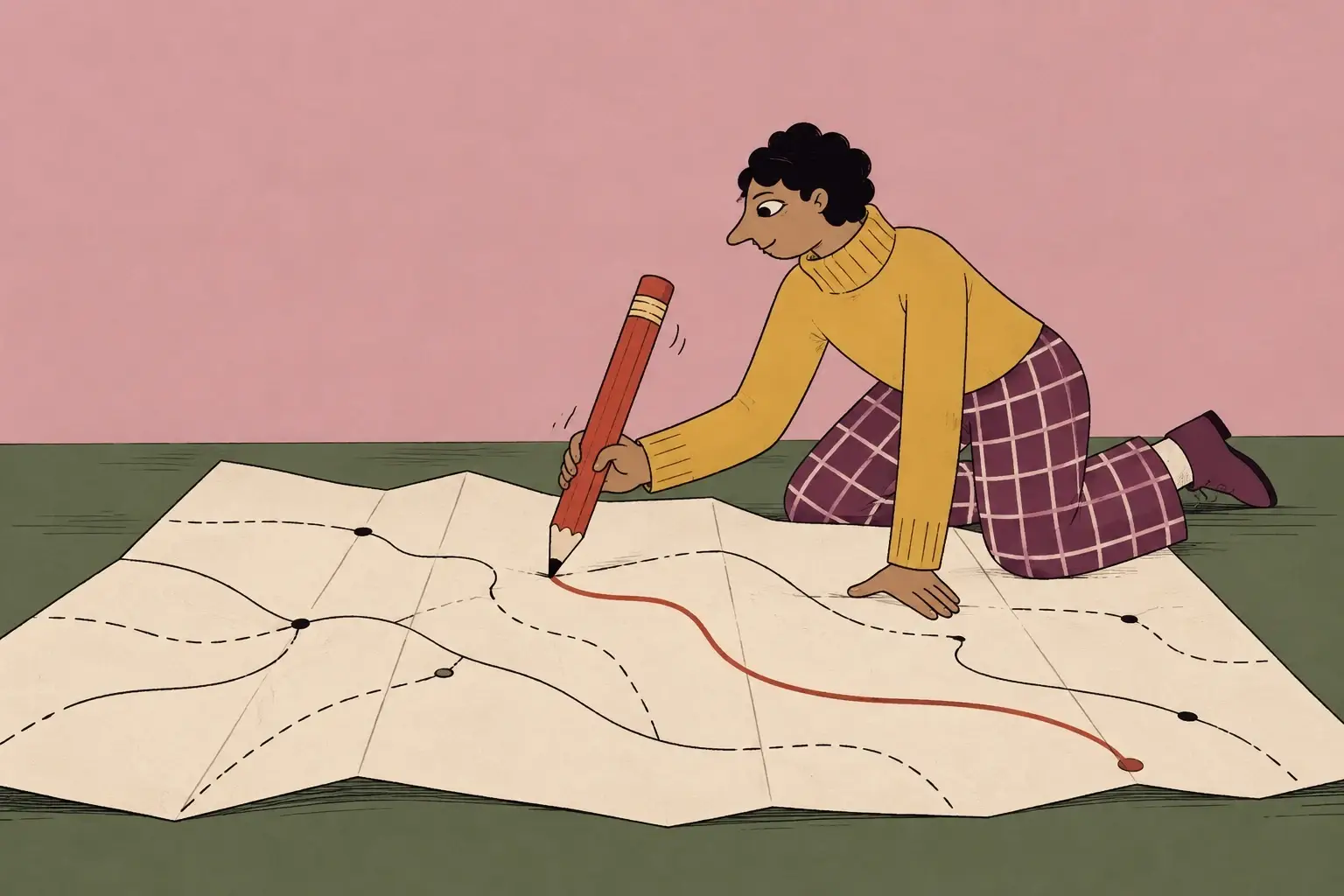
I work online from the UK. Tell me the country you will attend from so we can check professional arrangements, availability, privacy and suitability before starting. Please also tell me before travelling or moving country.
Read more about expat therapy or support after moving for a partner.
What working together involves
A first conversation. The free consultation lasts 15 to 20 minutes. You can explain a little about what brings you here, ask questions and see how it feels to speak with me.
Agreeing the arrangements. We discuss your needs, location, privacy and current appointment availability, then agree fees, session frequency and the limits of confidentiality.
Starting with your life now. We look at situations that matter to you. Your history may help us understand them, but there is no timetable for disclosure and no requirement to tell everything at once.
Trying something different. That might mean expressing a need more clearly, recognising a familiar reaction or setting a boundary. We decide together what is useful to work on between sessions.
Reviewing the work. We return to what you wanted help with, what has changed and what has not. There is room to say when something is not helping.
Individual sessions are £70 for 50 minutes. You will need somewhere you can speak privately and a reliable internet connection. See fees and practical arrangements.
If writing suits you better, weekly written counselling costs £50 per week for one personal reply from me through Carepatron on an agreed day. We agree suitability and terms before payment. It is a separate service, not live chat or urgent support.
More about the support available
What men search for at 2am, answered by a therapist.
Short, honest pieces for the week everything changed. Read one before you book, or instead of the tenth forum thread.
Questions about counselling for men
What if I do not know what to talk about?
You can begin with something that happened this week, a feeling you cannot name, or simply the fact that you have not felt like yourself. I will ask questions and help you find a starting point. There is no expectation that you arrive knowing how to do therapy.
Do you offer anger management for men?
I offer individual therapy for men who want to understand and change their responses to anger. We can look at triggers, early warning signs, ways to pause and the effect of your behaviour on other people. This is not a formal anger-management course. We will discuss whether this work, a structured programme or specialist support is the most appropriate option.
Can I come to therapy after an abusive relationship?
Yes. I work individually with men who have experienced abuse, including control, humiliation or fear within a relationship. You choose what to share and when. If abuse is ongoing, we need to consider your safety and whether specialist domestic abuse support is also needed. Joint therapy is not a substitute for that support.
Is therapy confidential?
What you share is treated as confidential, with limits explained before we begin. These include serious risk of harm, safeguarding or legal obligations, and the professional supervision described in my privacy policy. We will discuss how your information is used and any concerns about privacy at home or on a shared device.
Can I work with you if I live abroad?
I work online in English with men in the UK and international clients, including expats. Tell me the country you will be in during sessions and your time zone. We will check current availability, privacy and whether online work together is appropriate before arranging ongoing therapy. Please also let me know before travelling or moving country.
How much are sessions, and how long do they last?
Individual therapy is £70 for 50 minutes. The initial consultation is free and lasts 15 to 20 minutes. We agree session frequency, payment and cancellation arrangements before starting. You do not have to commit to a fixed number of sessions; we review the work together.
Can I attend alone if the difficulty is in my relationship?
Yes. Individual therapy can focus on your experience of a relationship, the choices available to you and the patterns you want to change. Your partner does not need to attend. If you both want help together, we can discuss whether couples therapy would be appropriate.
Do you also offer support by message?
Written counselling is £50 per week for one personal written reply from me through Carepatron. You can use it without regular video sessions where it is suitable for your needs. We agree your message allowance, weekly reply day, suitability and terms before payment. It is not live chat or emergency support.
For more about confidentiality, read my privacy policy and BACP's explanation of counselling terms.
You can start with what you know so far
A free 15 to 20 minute conversation to talk about what has been difficult, ask questions and find out whether working together feels right.
Book a free consultationPrefer to write first? Send a short enquiry.
You can also browse the journal and resources.