01What betrayal trauma can feel like
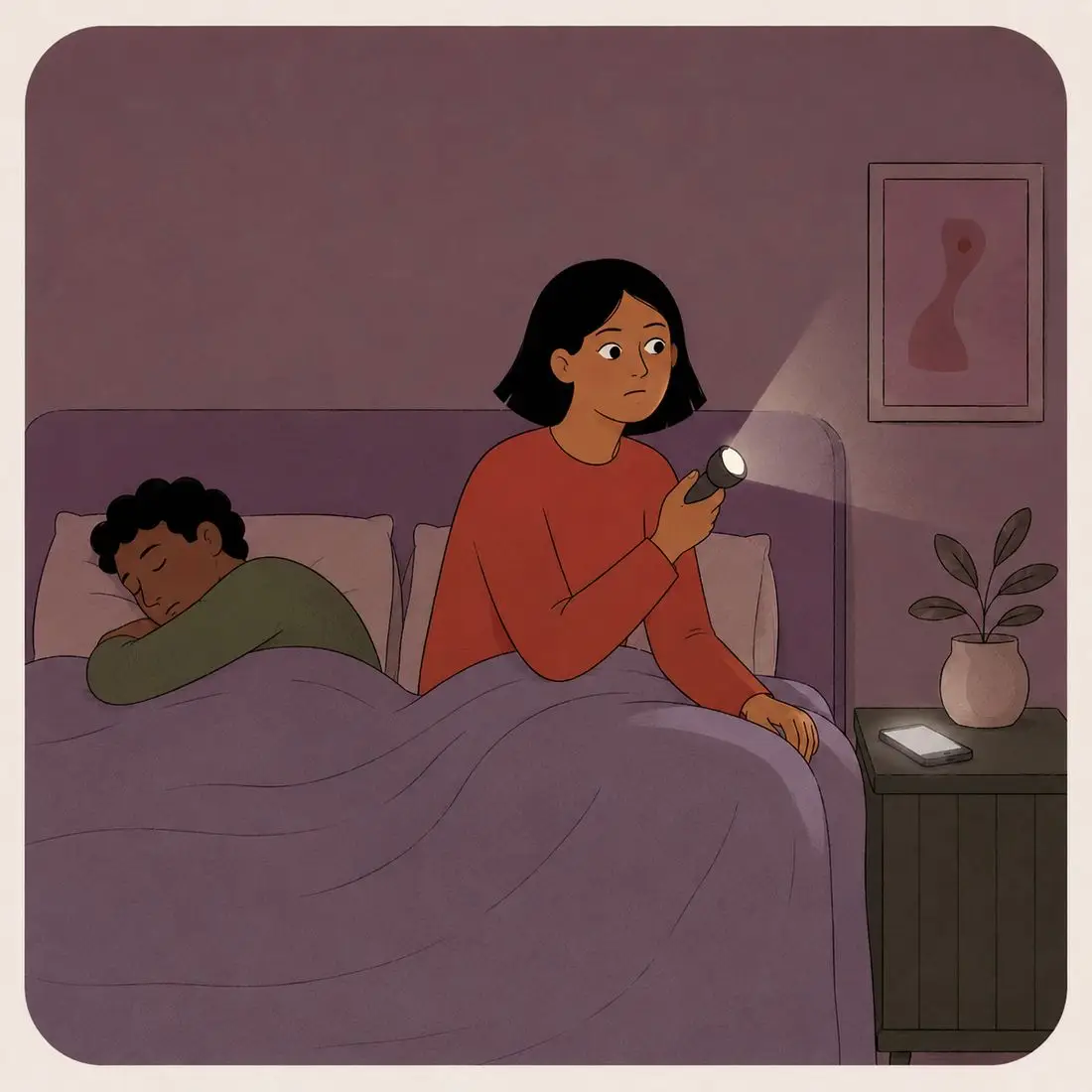
Betrayal can bring more than sadness. You might replay conversations, struggle to sleep, feel on edge or doubt your own judgement. Other people experience numbness or anger. The phrase “betrayal trauma” describes distress after broken trust; it does not by itself establish a PTSD diagnosis. Your experience deserves support without needing a particular label.
02Why betrayal feels different when you are abroad
Support can be harder to reach when family is a time zone away and local friendships are still new. The person who hurt you may also be involved in your housing, finances or immigration arrangements. We consider those circumstances alongside your feelings, including what support you can access outside the relationship.
03Hypervigilance, checking and obsessive thinking
You may be trying to answer real questions about what happened. You may also notice repeated checking that leaves you more exhausted without giving you new information. We distinguish reasonable requests for honesty and accountability from patterns you want help changing. The work is not to persuade you to overlook ongoing deception.
04Shame, isolation and loss of self-trust
The quietest injury of betrayal is what it does to your relationship with yourself. How did I not see it? Why did I ignore that feeling? Can I trust my own mind at all? Rebuilding self-trust is the centre of this work, because every future decision, staying, leaving, loving again, rests on it.
The aim is to understand how the experience is affecting you and what support fits. If you are concerned about possible PTSD symptoms, an appropriate assessment matters. The NHS explains PTSD symptoms, assessment and treatment. We can discuss whether additional or specialist support would be more suitable.
05Betrayal in cross-cultural or international relationships
In cross-cultural relationships, betrayal can collide with different family scripts about loyalty, privacy, saving face and what may be discussed outside the marriage. One partner's family may already know. The other's may never be told. These layers deserve a therapist who treats culture as context, not as an excuse and not as an obstacle. I write more about this in cross-cultural couples therapy.
06How therapy helps
We begin with what is affecting you most and what feels manageable to discuss. That might be sleep, distressing thoughts, a difficult conversation or the loss of confidence in your own choices. We agree a focus and review how the work is helping. Confidentiality and its limits are discussed before beginning.
07When couples therapy may or may not be appropriate
Joint work depends on your circumstances, each person’s willingness and whether it is safe and suitable. Individual therapy is a distinct agreement; it does not automatically become couples therapy. If you later want a different format, we discuss roles and confidentiality, including whether another therapist would be appropriate. Read about trust and betrayal therapy or couples appointments.