Both PDF workbooks + fillable worksheets · £19.99 Save £9.99 when you buy the pair.Both workbooks · £19.99PDFs + fillable worksheets · Save £9.99See the bundle

The Pause Room · Room 4 of 11

The Anger Regulation Room

When you are about to send the message or raise your voice.

Free. No sign-up. Sound is optional. Made by Kita Tabachka, BACP-registered therapist.

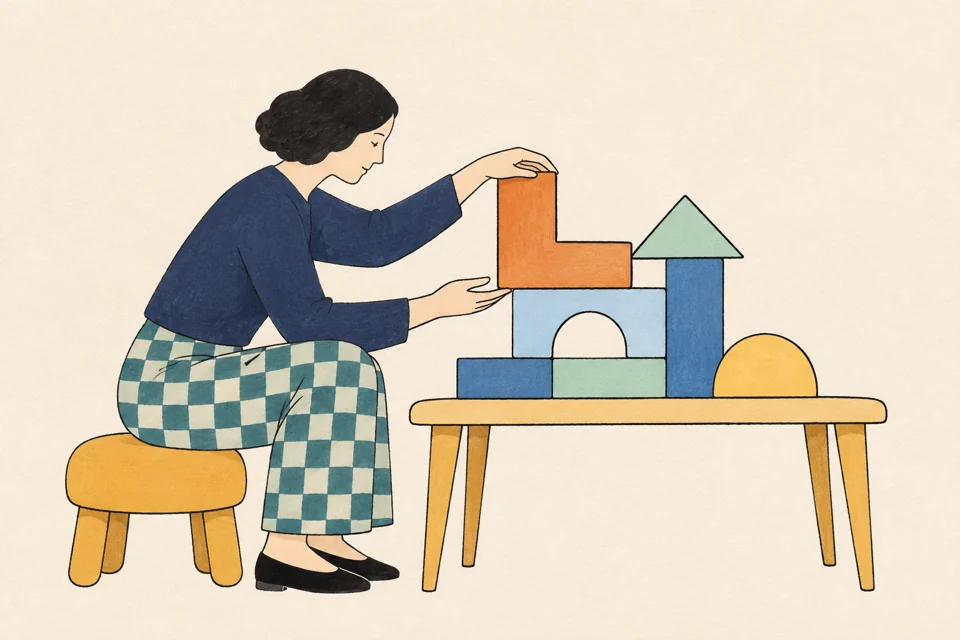
The Anger Regulation Room illustration: When you are about to send the message or raise your voice.

Your room

Try this first

Sounds to stay inside

Rain, sea, a low hush.

Pick one or stack two. Each sound is made here in your browser as you listen, so nothing downloads and nothing loops. It keeps going when you lock your phone.

Start with a mix:

Nature sounds and steady low noise have the most research behind them for settling the body. The heartbeat, the bowl and the drifting tone are pleasant, with thinner evidence. Nothing here is tuned to a healing frequency. If a sound adds to the noise, switch it off.

Your sensory canvas

Touch the colours for ripples, or expand the piano to play.

Your room is quiet. Choose a room when you are ready.

Sound & visual settings
Left-to-right sound

Choose from six gentle textures that alternate between your left and right ear. Headphones let you hear the movement.

An optional sensory rhythm, not an EMDR session. Stay with the room around you, rather than deliberately bringing up difficult memories. Stop if you feel uncomfortable, dizzy or more unsettled.

About these tools & music credits

Anger regulation: These steps draw on NHS anger guidance and a 2024 review of anger-management activities. The evidence supports reducing arousal rather than escalating it. Drawing and block play here are optional creative activities, not clinically validated anger treatments. Colours identify rooms and invite personal preference; they do not diagnose or treat emotions.

Why these colours and shapes? A research review found that people often associate blue and green with lower-arousal emotions. An association does not prove that looking at a colour will regulate your emotions. Our palettes, rounded shapes and room symbols are design choices for orientation and personal preference, not colour therapy or a brain-stimulation treatment. You can change colour, light and movement. Read the colour and emotion review.

The Steadying Room: original prompts informed by WHO guidance on grounding, naming difficult experiences, stepping back from thoughts and acting on what matters. They are not a reproduction of the full programme, or a treatment for intrusive thoughts. WHO: Doing What Matters in Times of Stress.

The ADHD routes use adjustable noise, reduced distractions, short periods of focus and optional movement breaks, consistent with NICE guidance on environmental modifications. The anxiety route offers self-paced grounding inspired by NHS inform and optional comfortable breathing consistent with NHS guidance. These sources inform the design; they do not validate this website or a particular recording as a treatment.

This is a sensory space for enjoyment and relaxation, not a treatment for anxiety, ADHD or trauma. Some people find these experiences soothing; others prefer quiet. You can stop at any time. Start at a low device volume. Audio starts only when you choose it. Music keeps playing if you lock your phone or switch tabs, with play and pause on your lock screen, and it never starts on its own. The next recording plays only if you enable Continue through this collection.

Alternating sound is sometimes called bilateral stimulation. EMDR is a structured therapy delivered by a trained clinician, not simply alternating sounds. About EMDR therapy. The sound bath is a listening experience, not a claim about energy fields or healing frequencies.

Recordings use Wikimedia's MP3 transcodes, with no musical edits. Performers do not endorse this site. The generated visual accompaniment is offered under CC BY-SA 3.0. Tap-to-play themes are simplified digital arrangements of public-domain Beethoven compositions.

The room records no taps, sound choices or personal reflections. Route choices and timers reset when you reload. Existing site privacy and cookie settings still apply. Audio files are served from this website.

About this room

The message is typed. Your thumb is over Send, and the part of you writing it is not the part of you who will read the reply.

Why I made this room

Anger arrives with a deadline. Say it now, send it now, settle it now. I work with anger every week, with couples and with men on their own, in the UK and abroad. This room is for the few minutes before the deadline, when the heat is real and the decision has not been made.

It gives you somewhere to put the message, a way to bring your body down, and words you will still stand behind tomorrow.

The five steps

  1. Park the message.Paste it into the box and let the room hold it for twenty minutes. When the time is up, you read it again and decide.
  2. Bring your body down.Press and hold the circle and squeeze your fists for five seconds. Let go and breathe out for ten. Five rounds. Cold water on your face or wrists helps too.
  3. Step back.Picture the scene from across the room. Answer one question with your own name in it, as if you were watching someone else.
  4. Look under it.Anger is often the feeling on top. Hurt, fear, shame or exhaustion tends to sit below. Choose the closest, or leave it open.
  5. Build your first line.Say what you felt and what you need, with no blame in it. Then name the time you will come back.

Why your body comes first

The evidence favours calming the body over expressing the anger. In a 2002 study by Brad Bushman, people who hit a punchbag while thinking about the person who angered them ended up angrier. A 2024 review of 154 studies reached the same conclusion: activities which lower arousal reduce anger, and venting keeps the heat up. NHS anger guidance points the same way.

So nothing here asks you to shout, hit or write more. The box holds the message you already have. The drawing page and the blocks are a slow change of attention. If either winds you up, stop and go back to step two.

Why twenty minutes

John Gottman measured couples in conflict. Once the heart passes about 100 beats a minute, a person stops taking in what the other is saying, and the body needs around twenty minutes to settle. I trained in his method and I use this rule with couples. The hold on your message runs for the same twenty minutes.

The first line

Gottman calls it a soft start-up. The first sentence carries more weight than the rest of the conversation. You never listen starts a fight. I felt ignored at dinner, and I need ten minutes of your attention starts a conversation. Step five builds a sentence like this with you.

Then name the time you will come back. A pause with no return time reads as punishment to the other person, and in couples work I watch the silence do more damage than the argument did. Name the time. Keep it.

What this room is not

This room is no anger management treatment, and it is the wrong place when you or someone else is unsafe. If you are frightened of what you might do, or of what someone else might do, step away from the screen and contact someone who helps, including emergency services where there is danger.

If the same argument keeps arriving with the same heat, the pattern is the work. I see men in the UK and abroad for this. Therapy for men explains how.

Afterwards

When the twenty minutes are up, read the message once. Bin it if it no longer says what you mean. Send your first line, then leave the screen until the time you named. If you need somewhere quiet in between, The Quiet Room asks nothing of you.

Questions people ask

What happens to the message I put in the box?

It stays on your own phone for twenty minutes and then comes back to you. It is never sent or uploaded. Tap Bin it and it is gone.

Why twenty minutes?

A flooded body needs about twenty minutes to settle. Before then your heart is racing, and it is hard to hear the other person or choose your words.

Does drawing or playing a game help with anger?

As a slow change of attention, yes, for many people. Neither is a clinically validated anger treatment. The aim is to lower the heat before you respond. If either winds you up, stop.

What do I say when I need to pause an argument?

Say you are too wound up to talk well, you need a break, and you will name a time to come back. Then name the time and keep it.

Is it safe to use this during an argument?

If you are in the same room and the temperature is rising, move to another room first. This helps more than any screen. If anyone is unsafe, leave and get help. This room is for the ordinary heated moment.

Kita Tabachka

Written and reviewed by Kita Tabachka, BACP-registered relational therapist (reg 409623), more than 5,000 online sessions with individuals and couples. Last reviewed 11 November 2026. About Kita
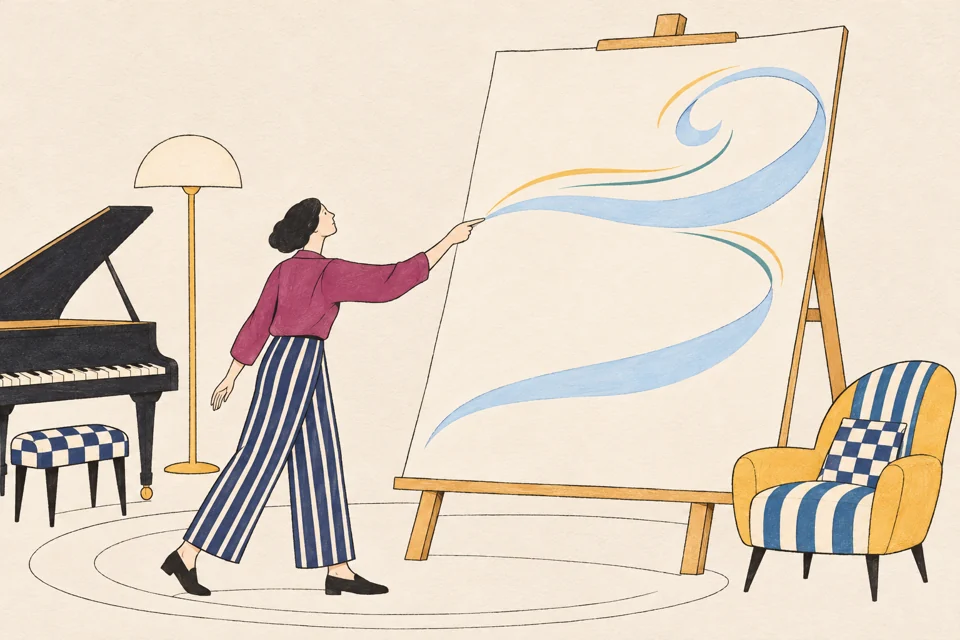

An illustrated person turning a fingertip movement into colourful ribbons

A little gift from me, Kita, to you.

For the moment
you need this.

A busy mind. A difficult feeling. A day that has asked a lot. I made a place where you can draw, play, listen or find a little quiet.

Open The Pause Room

Free to explore. No sign-up. Come as you are.

What am I feeling?

When all you can say is that you feel off, try a word and see if it fits. You can feel several things at once.

Open the full Feelings Wheel guide

Joy
  • Delighted
  • Amused
  • Playful
  • Proud
  • Grateful
  • Excited
  • Hopeful
  • Inspired
  • Curious
  • Eager
Sadness
  • Disappointed
  • Dejected
  • Heartbroken
  • Grief-stricken
  • Wistful
  • Lonely
  • Homesick
  • Discouraged
  • Bereft
  • Melancholy
Anger
  • Irritated
  • Frustrated
  • Resentful
  • Furious
  • Indignant
  • Bitter
  • Impatient
  • Aggrieved
  • Offended
  • Exasperated
Fear
  • Uneasy
  • Apprehensive
  • Anxious
  • Worried
  • Alarmed
  • Startled
  • Panicked
  • Full of dread
  • Vulnerable
  • Intimidated
Shame & guilt
  • Embarrassed
  • Ashamed
  • Guilty
  • Remorseful
  • Humiliated
  • Self-conscious
  • Exposed
  • Regretful
  • Mortified
  • Contrite
Surprise
  • Astonished
  • Amazed
  • Awestruck
  • Bewildered
  • Confused
  • Perplexed
  • Taken aback
  • Intrigued
  • Stunned
  • Unsettled
Disgust
  • Repulsed
  • Revolted
  • Disdainful
  • Contemptuous
  • Put off
  • Squeamish
  • Appalled
  • Averse
  • Disturbed
  • Disapproving
Connection
  • Affectionate
  • Tender
  • Fond
  • Compassionate
  • Understood
  • Accepted
  • Comforted
  • Trusting
  • Loved
  • Appreciated
Calm & relief
  • Relieved
  • Peaceful
  • Content
  • Settled
  • Safe
  • Reassured
  • Relaxed
  • Grounded
  • At ease
  • Rested
Mixed or unclear
  • Numb
  • Overwhelmed
  • Torn
  • Bittersweet
  • Restless
  • Detached
  • Flat
  • Conflicted
  • Ambivalent
  • Shut down

Message on WhatsApp